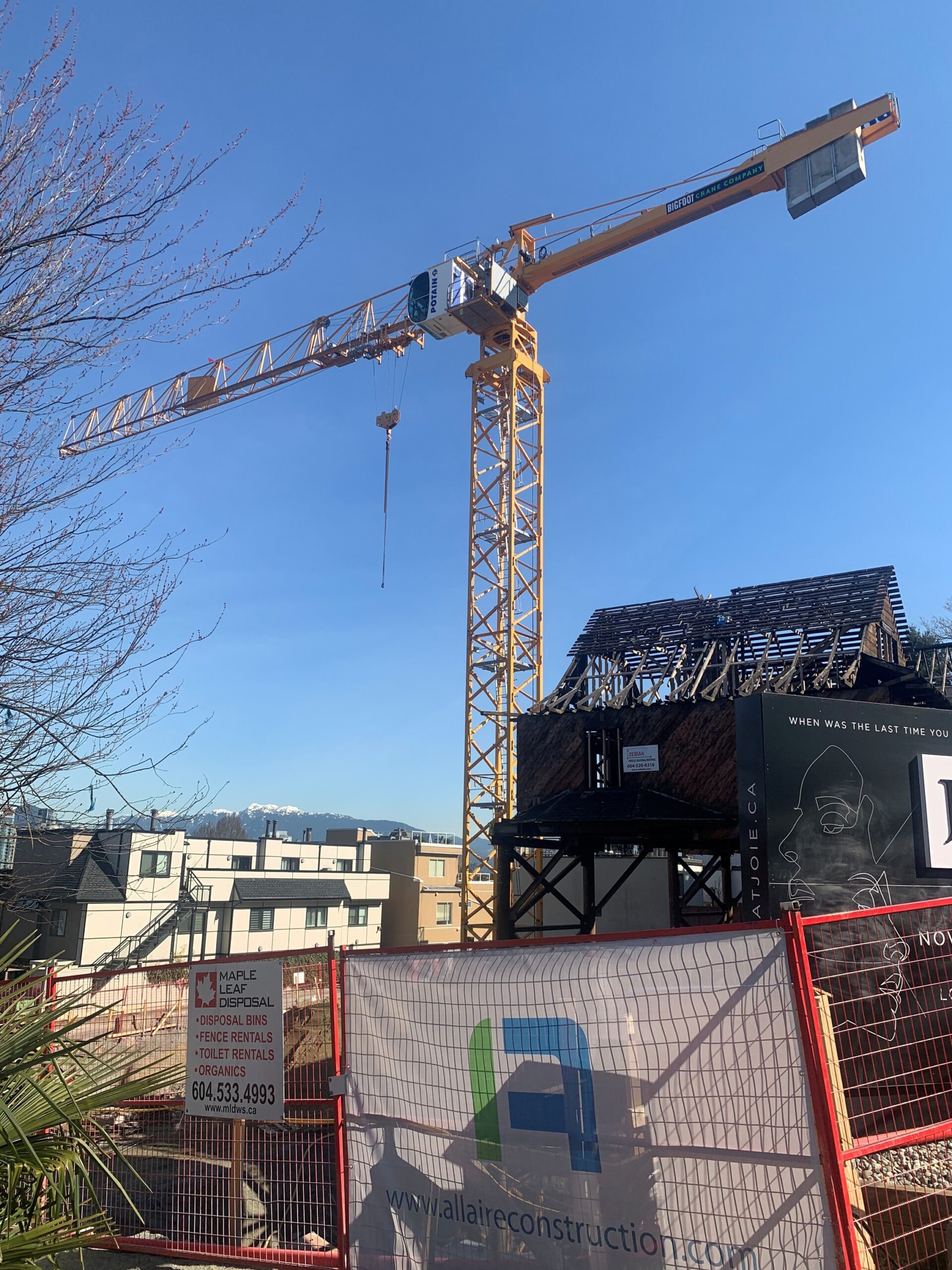
Rebuild economics have become a central concern in tower crane fleet management as project demands grow and equipment ages under heavier use. Rising equipment prices, tighter financing conditions, and ongoing supply chain delays have stretched how long cranes stay in service before replacement decisions are even considered. This shift has pushed many operators away from reactive repairs and toward planned lifecycle reinvestment strategies that focus on long term asset performance rather than short term fixes. A rebuild is now often seen as a way to reset value and restore dependable operation instead of simply addressing wear. Decisions around rebuilding or replacing equipment require careful balance between reliability, safety expectations, compliance demands, downtime exposure, profitability, and fleet continuity planning. These pressures continue to shape how crane-ownership strategies are formed today.
Understanding Tower Crane Rebuild Economics
Tower crane rebuild economics sit at the intersection of engineering decisions, financial planning, and long term fleet strategy. A rebuild is not a single repair activity but a structured process that restores a crane’s ability to operate safely and consistently after years of heavy use. The scope can vary widely, depending on the crane’s condition, usage history, and future role within a fleet.
What Is Included in a Tower Crane Rebuild
A typical rebuild can involve structural refurbishment of mast sections, jibs, and connection points that have experienced fatigue over time. Mechanical systems such as hoists, slewing units, and braking assemblies often require full overhauls to restore smooth operation. Electrical systems may be modernized to improve reliability, diagnostics, and control precision, especially where older wiring or components show signs of wear. Safety and compliance upgrades also play a key role, ensuring the crane meets current regulatory expectations. The difference between minor refurbishment and a full rebuild often comes down to depth of intervention, where one focuses on targeted repairs and the other resets the crane’s operational life. In economic terms, rebuilds are treated as capital reinvestments that extend service life while restoring reliability and long term supportability within the fleet.
Mini Rebuild vs Full Rebuild
A mini rebuild, often seen in 10 year refurbishment cycles, focuses on reliability driven component replacement and targeted modernization. This approach reduces downtime, limits capital exposure and helps extend consistent operation without fully dismantling the crane. It is typically chosen when the structure remains sound and the goal is to stabilize performance rather than reset the entire lifecycle.
A full rebuild, often associated with 20-year interventions, involves complete disassembly followed by structural inspection, nondestructive testing, and full mechanical and electrical restoration. This process effectively resets the crane’s lifecycle, bringing it close to near-new operational performance at a significantly lower cost compared to purchasing new equipment.
Typical Tower Crane Lifecycle Stages
Tower cranes usually move through distinct lifecycle stages that reflect how usage, wear, and operational demands change over time. In the early phase, often within the first 0 to 10 years, cranes operate with high reliability and lower maintenance needs, making them suitable for continuous project deployment with minimal intervention.
As equipment enters the 10 to 20 year range, it shifts into a mid life operational phase where wear becomes more visible and maintenance activity increases. Performance remains stable in many cases, but planning for future intervention starts to become part of fleet management.
Between 15 and 30 years, cranes often reach a rebuild evaluation stage where structural condition, system reliability, and supportability are assessed more closely. Beyond this period, many units move toward retirement and asset recovery depending on usage intensity, environmental exposure, and available OEM support.
Industry Age and Usage Thresholds
Tower crane lifecycle decisions are strongly influenced by both age and how intensively the equipment has been used over time. A crane working in a light commercial setting behaves very differently from one operating daily on high-rise infrastructure projects, even if both are the same model. Understanding these thresholds helps explain why rebuild timing often clusters around certain age ranges rather than being random.
10–15 Year Major Rebuild Cycle
Crane evaluations commonly intensify within the 10 to 15-year range because this period often marks the transition from midlife stability to noticeable wear patterns. Components that once operated smoothly begin showing signs of fatigue, and maintenance frequency tends to increase in a way that affects planning certainty. Downtime risk becomes harder to ignore, especially on projects with tight schedules.
Heavy-usage environments accelerate this process even further. Coastal sites expose cranes to corrosion, while mining and industrial projects push lifting systems through continuous high-duty cycles. Windy regions also place additional stress on structural components, leading to faster fatigue accumulation. In these settings, rebuild decisions are often less about age alone and more about how aggressively the crane has been worked throughout its operational life.
20-Year Structural Guidance
At around 20 years, cranes often require more detailed structural assessment before continued use or climbing operations are approved. Engineering reviews become more frequent, focusing on fatigue behavior, tying in safety, and long-term structural stability. Many fleets use this stage as a point to reset lifecycle expectations through major refurbishment or controlled operational limitation rather than extended unrestricted service.
30-Year Operational Considerations
Beyond 30 years, many tower cranes transition out of active construction roles due to rising safety concerns and reduced parts availability. Compliance requirements become more demanding, while OEM support often declines, making maintenance less predictable. At this stage, liability exposure and operational risk increase significantly, pushing many owners toward retirement, resale for limited applications, or complete asset recovery strategies rather than continued high-intensity field use.
Major Cost Drivers in Tower Crane Rebuilds
Rebuild costs for tower cranes are shaped heavily by what is discovered once detailed inspections begin, especially when structural condition varies across different components. Even cranes that appear operational on the outside can reveal deeper issues once testing and disassembly start, which is why early assessment work plays a major role in cost planning.
Structural Steel Inspection and Repair
Mast sections, jibs, tower heads, and tie-in points often carry the highest repair exposure during a rebuild. These areas experience continuous loading and unloading cycles over years of service, which can lead to weld fatigue and cracking that requires reinforcement or replacement. The extent of structural repair work often determines how extensive the rebuild budget becomes, since fabrication and lifting operations add both time and cost.
Non-Destructive Testing (NDT) Requirements
Ultrasonic testing, magnetic particle inspection, and engineering analysis are commonly used to identify hidden defects within steel components. These processes add cost but help prevent missed damage that could affect long-term safety or performance after rebuild completion.
Corrosion and Environmental Damage
Salt exposure, moisture intrusion, and paint system breakdown are common in harsh environments. Over time, corrosion can spread beneath protective coatings, increasing restoration effort and raising both labour and material costs during refurbishment.
Mechanical System Rebuild Costs
Mechanical system rebuild costs often take a large share of a tower crane refurbishment budget because these components directly control lifting performance and operational safety. When wear begins to affect key systems, decisions around repair or full replacement become more technical and closely tied to inspection results rather than routine servicing.
Slewing ring replacement is one of the more expensive interventions since it involves both precision engineering and heavy lifting work. Wear indicators such as increased backlash and fatigue signs in the bearing assembly often point to reduced rotational stability. Once replacement is required, alignment work adds additional time and cost, as even small inaccuracies can affect overall crane performance.
Hoist and winch system overhauls also contribute significantly to rebuild expenses. Gearboxes, brakes, motors, wire rope systems, bearings, and drums all require detailed inspection and possible replacement depending on wear levels. Hydraulic and climbing system components add further complexity, particularly when climbing frames, cylinders, and pumps require pressure testing and recertification before the crane can return to safe operation.
Electrical and Control System Modernization
Electrical and control system modernization plays a major role in tower crane rebuild costs because these systems directly influence how reliably and safely the crane responds during operation. As cranes age, both mechanical and electrical systems begin to show wear, with aging controls, deteriorating wiring, and reduced electrical stability becoming more common. These issues can lead to inconsistent performance and increased downtime if not addressed during a rebuild.
Upgrading to modern PLC and VFD systems often improves diagnostics and gives operators clearer system feedback during use. Energy efficiency gains and reduced mechanical stress are also common benefits, especially where older systems struggled with smooth load control. These upgrades also support more advanced automation features that improve operational precision.
Safety system upgrades are another important cost driver, particularly for anti-collision systems, load moment indicators, wind monitoring devices, and updated limit switches. Many older cranes also face challenges with obsolete electronics and limited OEM support, especially when proprietary components and legacy software are no longer fully supported, making sourcing and integration more complex during refurbishment.
Parts Availability and Supply Chain Costs
Parts availability often shapes both the cost and timing of tower crane rebuilds, especially when specific components are no longer widely produced or stocked. Choosing between OEM and aftermarket parts can significantly affect pricing, lead times, and long term reliability expectations. In many cases, long lead times and global supply chain fluctuations add pressure to project schedules, forcing teams to plan rebuild work well in advance. Inventory management becomes a key factor, particularly for fleets operating multiple cranes of similar models.
Brand differences also influence rebuild complexity. Some manufacturers maintain stronger long term support systems, while others may have gaps in engineering documentation or limited access to legacy components. These differences affect how easily a crane can be restored and whether it can remain viable within a long term fleet strategy without repeated sourcing challenges.
Labour, Engineering, and Technical Expertise
Labor and technical expertise play a major role in tower crane rebuild costs because the work requires highly specialized skills across several disciplines. Structural welding specialists handle critical repairs on mast sections and load bearing components, while electrical integration technicians focus on restoring control systems and ensuring stable operation. OEM-certified technicians are often involved where manufacturer standards must be maintained. Engineering oversight is required throughout to confirm safety and compliance. Decisions between in yard and on site rebuilds affect overall economics, since labour productivity, access conditions, and mobilization or transport costs can shift the total budget significantly depending on project constraints.
Certification and Regulatory Compliance Costs
Certification and regulatory compliance costs form a key part of tower crane rebuild budgets, since every major intervention must meet strict safety and performance standards. CSA and OSHA requirements guide much of the inspection and approval process, while third party inspections are often required to verify structural integrity and operational safety before the crane returns to service. Load testing is carried out to confirm performance under working conditions, and evolving compliance expectations can add additional scope during refurbishment. Structural certification, updated manuals, and OEM engineering approvals all contribute to final documentation and approval costs.
Major Lifecycle Cost Components
Understanding tower crane lifecycle costs requires looking beyond purchase price and focusing on how expenses accumulate across ownership, operation, and eventual resale. Each stage carries its own financial pressure, and decisions made early in procurement often influence long-term profitability in ways that are not immediately visible.
Initial Purchase and Financing Structure
Capital expenditure decisions shape how heavily a project is financed from the beginning. Interest rates can significantly affect total repayment cost, especially for large fleets acquired over time. Some companies prefer leasing structures to reduce upfront pressure, while others prioritize ownership to control long term asset value. Fleet expansion decisions also add financial strain when multiple units are introduced within a short period.
Maintenance and Repair Costs
Scheduled maintenance programs help stabilize performance, but costs tend to rise as cranes age. Repair frequency increases gradually, and service complexity often grows alongside wear, leading to higher labour and parts expenses over time.
Downtime Costs
Lost rental revenue, project delays, and emergency repair premiums can quickly exceed planned maintenance budgets. Downtime also affects operational continuity, especially on projects with tight delivery schedules.
Insurance and Risk Management
Older cranes often attract higher insurance costs due to increased liability exposure and stricter compliance expectations tied to operational risk.
Residual Value
Resale value depends heavily on brand strength, available support, and how well a fleet is standardized, all of which influence long-term return on investment.
Tower Crane Life Cycle Economics
Tower crane lifecycle economics focuses on how total costs accumulate and influence long term ownership decisions. Total cost of ownership includes purchase price, ongoing maintenance, downtime losses, operating efficiency, and eventual end of life value. These factors combine to shape whether a crane remains economically viable or requires reinvestment through rebuild strategies. Cost per operating hour analysis helps compare high usage cranes with lower usage units, showing how intensity of use affects profitability and rebuild return on investment. Predictive maintenance further improves decision making through sensor monitoring and early fault detection, allowing operators to plan interventions before major failures occur.
Break-Even Analysis for Rebuild Decisions
Rebuilding becomes more attractive when structural condition remains strong, rebuild costs stay well below replacement, and OEM support is still available. It also works well when a full lifecycle reset can restore long term performance at a reasonable cost. Replacement becomes preferable when maintenance costs rise steadily, downtime becomes frequent, structural fatigue is advanced, or systems are no longer supported. Market conditions such as long lead times for new cranes, rising interest rates, supply chain disruptions, and increased compliance pressure can further shift the balance between rebuilding and replacing equipment.
Risks and Hidden Costs in Rebuilding
Rebuilding a tower crane often reveals costs that were not obvious during early planning stages. Structural inspections can uncover fatigue or cracking that requires additional reinforcement, which changes both scope and budget. Component sourcing delays are another common challenge, especially when parts are no longer widely available or depend on long lead supply chains. As work progresses, scope expansion can occur when hidden issues emerge, pushing timelines further than originally expected.
Safety compliance upgrades also add cost pressure, since older cranes must meet updated standards before returning to service. Downtime exposure during this period affects project schedules and can create financial strain if the crane is critical to ongoing work. Insurance and liability risks also rise with older equipment undergoing major intervention, particularly when the rebuild scope grows beyond initial assumptions. Underestimated supportability issues, especially related to obsolete systems or limited OEM assistance, can further complicate execution and increase total cost.
Economic Benefits of Rebuilding
Rebuilding often delivers a lower capital cost compared to purchasing new equipment while still extending the crane’s operational life significantly. It also reduces environmental impact by reusing major structural components and avoiding full manufacturing demand. Faster deployment timelines help projects return equipment to service more quickly than new crane procurement cycles. Improved return on investment comes from restoring performance at a reduced cost base. Fleet standardization benefits are also maintained, allowing smoother integration across multiple sites. A successful rebuild effectively resets lifecycle value and supports a strategic reinvestment approach that strengthens long term asset efficiency.
Strategic Considerations for Fleet Owners
Fleet owners often approach rebuild decisions through long term planning rather than isolated project needs. Standardizing equipment across fleets simplifies maintenance, training, and spare parts management. Matching crane capabilities to future project pipelines helps avoid underuse or overloading of assets. Balancing maintenance across multiple units reduces operational disruption and extends fleet consistency. Internal technical capability also plays a role, especially when companies rely on in-house teams instead of external contractors. Dependence on OEM support can influence flexibility, while data-driven planning supported by asset tracking systems and predictive maintenance tools improves decision accuracy and long term lifecycle performance.
Future Trends in Lifecycle Management
Future lifecycle management for tower cranes is shifting in a way that feels less reactive and more structured, shaped by better data, tighter regulations, and growing pressure to use equipment longer without losing reliability. What used to depend heavily on experience alone is now being influenced by constant monitoring and clearer performance insights that come directly from the machines themselves.
- Smart Monitoring Systems: These tools allow teams to see early signs of wear or performance change while the crane is still operating, which helps reduce surprises during critical project stages.
- Electrification and Efficiency: There is a steady move toward cleaner and more efficient systems, partly driven by cost control and partly by environmental expectations on modern construction sites.
- Regulatory Pressure: Compliance expectations are increasing, making planning and recordkeeping a bigger part of fleet management decisions.
- Lifecycle-Based Fleet Strategy: Fleet planning is gradually shifting toward earlier intervention, where rebuilds are scheduled based on lifecycle data rather than waiting for breakdowns.
Conclusion
Rebuild decisions for tower cranes are now shaped more by lifecycle planning than urgent repair needs that arise after failure. When planned well, rebuilds restore reliability at a cost that is often lower than full replacement, especially when the structure still holds solid long term potential. Decisions usually depend on a mix of structural condition, downtime exposure, compliance demands, and ongoing support availability. Modern fleet management is moving toward structured lifecycle resets, where early planning helps maintain steady uptime, stronger profitability, and better long term asset value across projects.