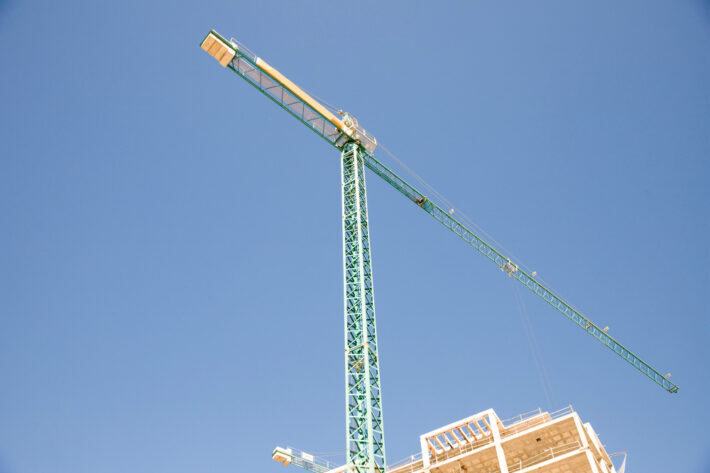
Tower cranes are sometimes left inactive for extended periods because of project delays, seasonal shutdowns, financing interruptions, labour shortages, or changing construction schedules. During these periods, the crane may remain exposed to environmental conditions and structural stress despite not operating daily. Prolonged Shutdown Requirements for Tower Cranes exist to reduce deterioration, maintain safety, and preserve the crane’s operational condition until work resumes. Proper shutdown management involves structural protection, mechanical preservation, electrical isolation, inspection scheduling, and detailed compliance documentation. Regulatory authorities and engineers closely monitor these procedures because poorly managed shutdowns can create hidden structural damage, mechanical failure, safety hazards, and expensive recommissioning problems later. Careful planning before shutdown helps contractors reduce long-term operational risk and protect crane reliability throughout inactive periods.
What Counts as a Prolonged Shutdown
A prolonged shutdown refers to any period where a tower crane remains out of active use long enough for environmental exposure and inactivity to begin affecting its systems. This is not always a fixed number of days, since site conditions and crane type can change how quickly risks develop. In many construction settings, anything beyond a few weeks of inactivity may already require structured shutdown procedures, especially when cranes are left fully erected on site.
Extended stoppages often occur during project delays, funding gaps, seasonal weather breaks, or changes in construction sequencing. Even when not operating, the crane still faces wind loading, moisture exposure, and gradual mechanical settling. Over time, these factors can impact structural joints, electrical insulation, and moving components, making proper classification of shutdown length important for deciding inspection frequency, preservation steps, and compliance requirements before the crane is returned to service.
Regulatory and Compliance Requirements
Regulatory expectations around prolonged crane shutdowns are designed to keep equipment safe even when it is not actively operating. Authorities treat inactivity as a condition that still carries risk, especially because environmental exposure and lack of movement can create hidden structural or mechanical issues. Compliance is not limited to active lifting periods, and it extends into how cranes are secured, inspected, and documented during downtime.
Mandatory Inspection Obligations
Before a shutdown begins, inspections are required to confirm the crane is in a safe idle condition. During extended inactivity, periodic checks are also carried out to monitor structural stability, corrosion development, and any unexpected mechanical changes caused by weather or site conditions.
Securing and Certifying Idle Cranes
Idle cranes must be properly immobilized, isolated, and protected to prevent unintended movement or system damage. Certification may be required to confirm that shutdown procedures meet regulatory expectations and site safety standards.
Role of Competent Persons and Engineers
Qualified inspectors and professional engineers are responsible for verifying shutdown conditions. Their role includes assessing structural integrity, confirming compliance with safety requirements, and approving continued inactivity.
Documentation Standards
Detailed records of inspections, preservation steps, and maintenance activities must be kept throughout the shutdown period to support traceability and audit readiness.
Recertification Before Return to Service
Before restarting operations, the crane must undergo full recertification, including inspections, functional testing, and approval confirming readiness for safe operation.
Securing the Crane During Shutdown
Securing a tower crane during shutdown begins with making sure all moving components are fully locked and immobilized to prevent unintended motion. This includes stabilizing the trolley, hoist system, and any other parts that could shift under external forces. Proper immobilization reduces the risk of mechanical stress developing while the crane is idle and helps maintain alignment across structural and operational systems.
The slewing mechanism requires special attention because wind forces can slowly rotate the upper structure if it is not secured correctly. Locking devices or free slewing positions are often used depending on manufacturer guidance and site conditions. In areas exposed to strong winds, additional anchoring procedures may be applied to improve stability and reduce structural movement during long shutdown periods.
Electrical systems must also be fully isolated using proper disconnection and lockout procedures to eliminate accidental activation or electrical faults. Control panels are secured, and power sources are safely disconnected according to safety standards. Access points such as ladders, cabins, and control rooms are then protected to prevent unauthorized entry, ensuring that only approved personnel can inspect or interact with the crane during the shutdown period.
Structural Preservation Measures
Structural preservation during a prolonged shutdown focuses on protecting the crane from gradual environmental damage that can develop even when the machine is not operating. Steel structures remain vulnerable to moisture, temperature changes, and airborne contaminants, all of which can slowly weaken surfaces and joints over time. Careful planning before shutdown helps reduce long-term deterioration and maintain the integrity of key load-bearing elements.
Corrosion prevention is one of the most important measures applied during inactivity. Protective coatings are often added to exposed steel surfaces to create a barrier against moisture and oxidation. Greasing of moving or exposed components also helps prevent rust formation, especially in areas where metal parts interface or remain partially exposed. These protective steps are designed to slow down surface degradation and maintain mechanical readiness for future use.
Before shutdown begins, mast sections and structural joints are inspected to confirm that no existing cracks, looseness, or fatigue issues are present. Bolts, pins, and other exposed steel elements are then secured and protected using coverings or sealants. Ongoing awareness of environmental exposure is also important, particularly in areas with high humidity, heavy rainfall, or strong winds, as these conditions can accelerate corrosion and material wear during extended inactivity.
Mechanical System Protection
Mechanical systems require careful preparation before a tower crane enters a prolonged shutdown because inactivity can create wear patterns that are just as damaging as active use. The hoist system is one of the first areas addressed, with rope tension adjusted and stabilized to prevent uneven loading. This helps reduce strain on the drum and minimizes the risk of deformation or slack developing in the wire rope during long periods without movement.
Lubrication plays a major role in protecting internal components such as bearings, gears, and slewing assemblies. Fresh lubrication is applied to create a protective layer that reduces corrosion and prevents metal-to-metal contact while the crane is idle. Without this step, internal components may suffer from moisture exposure or surface oxidation, which can lead to reduced efficiency when the crane is restarted.
Other mechanical elements also require attention to prevent long-term damage. Rollers and bearings are positioned carefully to avoid flat spots forming under constant static load. Hook blocks and trolley systems are secured to prevent unintended movement caused by wind or vibration. Hydraulic systems are stabilized by managing internal pressure levels and ensuring fluid conditions remain consistent, reducing the risk of seal damage, leakage, or performance loss during the shutdown period.
Electrical and Control System Safeguards
Electrical and control systems require careful safeguarding during a prolonged shutdown because even small environmental or power-related issues can lead to system failure when the crane is restarted. Power isolation is the first step, where all electrical sources are disconnected and locked out to prevent accidental energization. This process helps protect both equipment and personnel while the crane remains inactive on site.
Control panels are then protected against dust, moisture, and pest intrusion, which can slowly damage sensitive electronic components. Sealing enclosures and maintaining dry internal conditions help preserve circuit integrity and reduce the risk of corrosion or short circuits developing over time. Where backup batteries are installed, their condition and charge levels are managed to prevent degradation during extended inactivity.
Wiring systems are also inspected before shutdown begins to confirm insulation integrity and identify any preexisting wear. After the shutdown period, repeat inspections help detect any deterioration that may have occurred during inactivity. Sensors and monitoring devices are secured and protected to maintain calibration and prevent damage, ensuring that safety and performance systems remain reliable when the crane returns to service.
Environmental and Site Considerations
Environmental conditions play a major role in how safely a tower crane can remain idle during a prolonged shutdown. Wind loading is one of the most significant risks, as the crane structure continues to act like a large exposed frame even when it is not operating. Without proper securing measures, wind pressure can cause unwanted movement or stress on structural joints over time.
In coastal or high-humidity environments, corrosion develops more quickly due to constant moisture exposure and salt in the air. These conditions accelerate surface degradation on steel components and increase the need for protective coatings and regular inspections. Temperature fluctuations can also affect material behaviour, causing expansion and contraction that may slowly impact alignment and joint stability if left unmanaged.
Site conditions also influence overall safety during shutdown. Strong access control is needed to reduce the risk of vandalism or unauthorized entry, which can lead to damage or tampering with critical systems. Securing the site perimeter, restricting entry points, and maintaining surveillance where possible helps protect the crane and ensures it remains in stable condition until recommissioning begins.
Routine Maintenance During Shutdown
Routine maintenance during a prolonged shutdown helps keep a tower crane stable and ready for safe recommissioning. Even when the crane is inactive, scheduled inspections are still carried out at set intervals to monitor structural condition, mechanical stability, and environmental impact. These regular checks help identify early signs of corrosion, loosened components, or unexpected movement caused by wind or temperature changes.
Mechanical systems may also require periodic rotation or movement checks where safe and permitted, helping prevent parts from seizing due to long periods of inactivity. Lubrication is reapplied at intervals to protect bearings, gears, and exposed moving surfaces from drying out or corroding. This step is especially important in environments with moisture or temperature fluctuations that can accelerate wear.
Visual inspections are carried out to track corrosion development, coating deterioration, or structural changes across mast sections and connection points. Every maintenance activity performed during the shutdown is carefully recorded to maintain traceability, support compliance requirements, and provide a clear history of the crane’s condition before it is returned to service.
Risks of Improper Shutdown Management
Improper shutdown management can gradually expose a tower crane to risks that build up quietly over time. When structural protection is not applied correctly, prolonged exposure to wind, moisture, and temperature changes can weaken steel surfaces and accelerate corrosion. Small issues that begin as surface wear may develop into deeper structural degradation that affects long term stability and load capacity.
Mechanical systems are also vulnerable when shutdown procedures are not followed properly. Lack of lubrication, poor tension control, or unprotected components can lead to seizure in bearings, hoists, and rotating systems. Electrical systems may deteriorate as well, especially when insulation, control panels, and sensors are left unprotected from dust or moisture. These combined effects often result in higher recommissioning costs because more components require repair or replacement than initially expected.
Safety risks become more significant during restart operations if the crane has not been properly maintained. Hidden faults can surface suddenly during load testing or early operation, increasing the chance of malfunction, delay, or unsafe conditions on site.
Recommissioning After Prolonged Shutdown
Recommissioning after a prolonged shutdown requires a careful, structured approach to confirm that the crane is safe and fully functional before returning to active service. A thorough inspection is conducted to first examine the structural condition and determine the condition of the mechanical and electrical systems. This analysis identifies oxidations and corrosion, loosened or missing elements, and environmental concerns. This identifies the effect that the long idleness has on functionality.
Next, load testing and operational verification are performed. This helps determine whether the crane is able to perform the desired operational functions within the defined safety and operational constraints. These tests evaluate control systems’ responses to defined conditions and operational constraints, as well as the crane’s lifting capability and its operational movements and accuracy. Electrical systems are reactivated gradually, with safety checks performed to confirm correct insulation, proper control responses, and stable sensor communication before full operation is allowed.
Any components found to be degraded during shutdown are replaced or repaired before final approval. This may include mechanical parts, wiring sections, seals, or control devices that no longer meet operational standards. Once all corrective actions are completed, certification requirements must be satisfied through formal inspection and documentation, confirming that the crane is fit to resume safe operation on site.
Best Practices for Managing Long-Term Shutdowns
Developing a structured approach to long-term shutdown management helps reduce risk and keeps the crane in a stable condition throughout inactivity. Planning starts before the crane is taken out of service so that every step is clearly defined and assigned.
- Develop a formal shutdown management plan that outlines all protection, inspection, and monitoring steps during inactivity.
- Assign responsibility for ongoing inspections so that accountability remains clear and routine checks are not missed.
- Use manufacturer guidelines for preservation procedures to match the crane’s design requirements and reduce avoidable damage.
- Keep detailed shutdown logs and maintenance records that capture every inspection, action, and condition change over time.
- Plan for restart requirements before shutdown begins so inspection, testing, and certification needs are already prepared in advance.
Conclusion
Prolonged shutdown management directly impacts crane safety and reliability, as well as crane performance over the long term. Throughout the shutdown period, it is possible to minimize the effects of mechanical and operational deterioration by managing and coordinating inspections and implementing structural, mechanical, and electrical safeguards. Implementing this process consistently should, within reason, minimize issues encountered when the cranes are recommissioned and improve operating stability after a period of inactivity. Strong documentation and compliance practices also support accountability and make inspections easier to verify. Ignoring proper shutdown procedures often leads to hidden damage, higher repair costs, and safety risks during restart. Structured planning before, during, and after shutdown ensures the crane remains serviceable, compliant, and ready for safe operation when construction activities resume.