
High angle rescue is an essential element of tower crane safety planning because emergencies involving workers at elevation require a fast, organized response. Before work begins, every site should have a documented rescue strategy that reflects its specific risks and operating conditions. In British Columbia, the Technical High Angle Rope Rescue Program (THARRP) plays an important role, but its application depends on the location and emergency response capabilities available to each project. This article explains when THARRP applies, what WorkSafeBC requires, and how a high angle rescue plan tower crane supports effective tower crane emergency response, regulatory compliance, and worker safety.
Understanding THARRP and Why It Exists
Working hundreds of feet above the ground changes the way emergency planning is approached. A medical emergency, equipment failure, or a fall arrest incident can leave someone stranded where a standard rescue truck cannot reach them. That reality led to the creation of the Technical High Angle Rope Rescue Program (THARRP), a province wide initiative that helps improve rescue capability for complex incidents on construction sites across British Columbia.
The BCCSA THARRP program is managed by the BC Construction Safety Alliance and funded through participating employers in specific WorkSafeBC assessment classification units. Fire departments that take part receive specialized training for technical rope rescue and tower crane emergencies. Their training follows NFPA 1670, which sets operational guidance for technical rescue teams, and NFPA 1006, which outlines the professional qualifications expected of rescue personnel. Those standards give emergency responders a consistent approach when they arrive at demanding rescue scenes.
Tower cranes create situations that are very different from most workplace emergencies. A crane operator may be isolated in the cab during a medical event, or a worker could be suspended after a fall where ground based rescue methods are simply not practical. Every minute matters in those situations because delays can increase the risk of serious injury, including suspension trauma. Rescue teams need specialized equipment, practiced rope techniques, and a clear understanding of crane structures before they can safely reach the worker.
THARRP helps close that gap by preparing local fire departments for incidents that require technical high angle rescue. Employers still carry responsibility for planning how rescues will be managed at each project, yet having trained emergency responders available gives construction teams greater confidence that help can arrive with the right skills when it is needed most. That shared approach has strengthened high angle rescue in BC construction while encouraging closer coordination between site owners, contractors, and emergency services before work begins.
What WorkSafeBC OHS Regulation 4.13 Requires
Construction work at height always carries the possibility that a worker could become trapped, injured, or suspended where normal access is impossible. WorkSafeBC OHS 4.13 recognizes that risk and requires employers to complete a workplace rescue risk assessment before work starts. That assessment determines how workers would be rescued or evacuated if an emergency occurred. A written fall protection rescue plan BC should clearly explain the rescue procedures, identify who is responsible, and confirm that the people, equipment, and resources needed for the rescue are available when work is taking place.
High angle work demands careful planning because evacuation and rescue are not always the same thing. Evacuation usually involves workers leaving an area under controlled conditions, while rescue involves reaching someone who cannot get out without assistance. Tower crane incidents often fall into the second category, making detailed planning a necessity. Rescue readiness depends on practical procedures that match the site’s layout, crane configuration, and available emergency response capabilities.
Employers carry the responsibility for making these plans before workers are exposed to the hazard. Waiting until an incident happens leaves too many unanswered questions when every minute counts. Written procedures, regular reviews, and coordination with local emergency services demonstrate compliance with WorkSafeBC rescue evacuation requirements while giving workers confidence that a realistic rescue strategy is already in place if an emergency interrupts the day’s work.
When THARRP Applies and When You Need Your Own Rescue Capability
Every tower crane project should establish who will carry out a high angle rescue before work begins. Some construction sites can rely on municipal emergency services with specialized rescue training, while others must develop their own rescue capability. That distinction shapes the entire crane operator rescue plan, making it one of the first questions project teams should answer during emergency planning.
Sites Covered by THARRP
Projects located within the service area of a THARRP trained fire department may be able to rely on a 911 response for technical high angle rescue. That does not remove the employer’s responsibility to plan for emergencies. Site teams should confirm that the local fire department provides THARP coverage and obtain written confirmation where required. Rescue procedures, emergency contact information, and supporting documentation should then be included with the site’s safety records so they are available during inspections and emergency response planning.
Sites Outside THARRP Coverage
Remote projects or sites located outside the service area of a THARRP trained fire department cannot assume that specialized rescue assistance will arrive in time. Employers must establish an independent rescue capability that matches the hazards on site. That may include a trained rescue team, appropriate rope rescue equipment, communication procedures, and detailed rescue planning based on the crane configuration and work activities. Every element should satisfy applicable high angle rope rescue requirements and be reviewed regularly as the project changes.
Confirming rescue coverage early removes uncertainty and helps prevent gaps in emergency preparedness. Once everyone understands who will respond, how they will respond, and what resources are available, the rescue plan becomes a practical working document instead of paperwork that sits untouched in a binder.
What a Compliant High Angle Rescue Plan Should Include
Every tower crane project presents a different set of risks, which is why a rescue plan should reflect the actual crane, site layout, and work activities rather than rely on a generic template. A practical high angle rescue plangives workers and emergency responders clear direction during a stressful situation when quick decisions matter.
Rescue Procedures
Rescue procedures should explain how an emergency will be reported, who will respond, and the steps required to safely recover a worker. The plan should address realistic scenarios, including medical emergencies, fall arrest incidents, and situations where a crane operator cannot leave the cab without assistance.
Rescue Team Identification
Everyone involved in the rescue process should be clearly identified. That includes designated rescue personnel, supervisors, first aid attendants, and any external emergency responders expected to assist. Contact details and responsibilities should remain current throughout the project.
Rescue Equipment Inventory
A complete inventory should list the equipment available for rescue operations, along with its storage location and inspection status. Rope rescue gear, communication devices, first aid supplies, and other specialized equipment should be maintained and ready for immediate use.
Fire Department Confirmation
Projects relying on municipal emergency services should keep written confirmation that the local fire department can respond to the site. This documentation demonstrates that rescue expectations have been discussed before work begins and helps support effective crane site emergency planning.
THARRP Application Documentation
Sites that require THARRP participation should maintain completed application records and any related correspondence with project documentation. Keeping these records together makes them easy to access during inspections or emergency reviews.
Rescue plans work best when they remain simple, practical, and easy to find. Workers should know where the documentation is kept, understand the tower crane rescue procedures, and review the plan whenever site conditions, crane configuration, or emergency response arrangements change.
Integrating the Rescue Plan into the Crane Binder and NOP-TC Documentation
Every rescue plan should be easy to locate when it is needed most. Keeping rescue documentation in the crane binder allows supervisors, inspectors, operators, and emergency responders to quickly access the information during routine inspections or an emergency. A complete binder should include written rescue procedures, emergency contact information, fire department confirmation where applicable, equipment records, and any THARRP related documentation that applies to the project.
NOP TC documentation should also reflect the site’s emergency planning arrangements. Rescue procedures are part of the overall safety framework that supports safe crane operation, so they should remain consistent with the rest of the project records. Regular reviews help identify outdated contact information, equipment changes, or revisions made after the crane has been relocated or work activities have changed.
Accurate record keeping supports effective tower crane emergency response because everyone works from the same information. A rescue plan that sits untouched for months may no longer match the conditions on site. Keeping documentation current strengthens crane site emergency planning, improves inspection readiness, and gives workers confidence that emergency procedures have been reviewed, updated, and kept ready for use throughout the life of the project.
The Role of Dedicated Emergency Platforms (DEPs) in Tower Crane Rescue
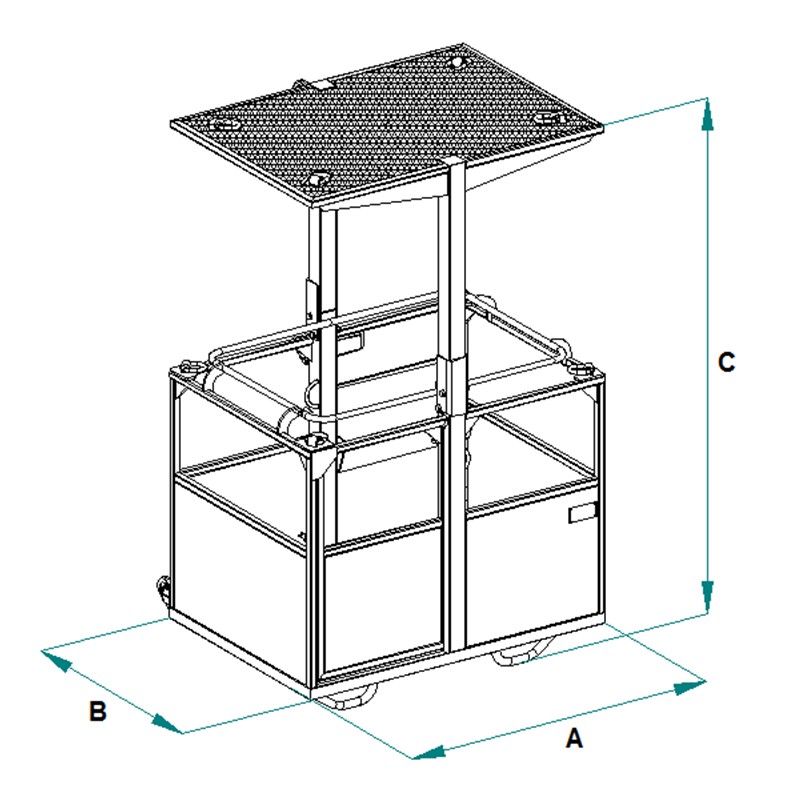
Dedicated Emergency Platforms (DEPs) are designated areas or platforms that help emergency responders gain safer access to workers during a tower crane rescue. Their location and design depend on the crane configuration, site layout, and the rescue methods identified during project planning. A properly planned dedicated emergency platformcan reduce delays by providing a safer transfer point for rescuers and injured workers during an emergency evacuation.
Rescue planning should identify how a DEP will be used and how it fits into the site’s overall emergency procedures. Access routes, communication methods, and the equipment needed for rescue should all be considered before work begins. Local fire departments should also understand the platform’s location and any site conditions that could affect rescue operations. Early coordination helps avoid confusion during an emergency when time and clear communication are both critical.
A DEP supports safer tower crane rescue procedures, but it is only one part of a complete rescue strategy. Rescue personnel still need trained responders, appropriate equipment, and written procedures that match the site. Regular reviews help confirm that the platform remains suitable as construction progresses and site conditions continue to change.
Reviewing and Updating High Angle Rescue Plans
High angle rescue planning should continue throughout the life of a project instead of ending once the paperwork is complete. Conditions on construction sites change as work progresses, and rescue procedures should change with them. A rescue plan prepared at the beginning of a project may no longer reflect the crane configuration, access routes, or personnel working on site several months later. Regular reviews help keep WorkSafeBC rescue evacuation procedures accurate and practical.
Rescue plans should be reviewed before work begins, after significant project changes, whenever a tower crane is relocated, or when rescue personnel and key supervisors change. Equipment additions, replacements, or changes to communication systems should also trigger a review. Regulatory updates and revised emergency response expectations may require changes to documentation or rescue procedures as well.
Practice drills and real incidents often reveal details that are easy to overlook during planning. Those lessons should be recorded and used to improve future procedures. Strong high angle rescueplanning depends on continuous review, current documentation, and regular communication so workers and emergency responders always have reliable guidance when an emergency occurs.
How Bigfoot Supports High Angle Rescue Planning
Every tower crane project has its own risks, so we begin by helping clients understand the rescue planning requirements that applies to their specific site. We review project conditions, discuss emergency response expectations, and help identify the documentation needed to support safe operations. That process allows crane site emergency planning to reflect the actual work taking place instead of relying on a standard template.
Our team assists with preparing rescue documentation and integrating it into the crane binder and other project records. We coordinate with local fire departments whenever confirmation of rescue coverage is required and help organize the information needed for THARRP participation where applicable. We also review rescue procedures alongside other project documentation so emergency planning remains consistent with WorkSafeBC and CSA expectations.
Construction projects rarely stay the same from start to finish, which is why we encourage regular updates as cranes are relocated, personnel change, or site conditions evolve. We help owners keep rescue documentation current throughout the project so workers, inspectors, and emergency responders have access to accurate information when it is needed. That structured approach supports tower crane safety BC while helping emergency planning remain practical, organized, and ready for use.
Conclusion
Every tower crane project needs a documented rescue strategy that matches the risks present on site. Rescue planning should begin before work starts and continue as the project develops, reflecting changes in crane location, personnel, equipment, and site conditions. Unnderstanding when THARRP applies, and when an employer must provide an independent rescue capability, helps avoid gaps that could affect both compliance and worker safety. Clear documentation, regular reviews, and practical rescue procedures give everyone confidence that emergency response arrangements are ready if they are ever needed. If you are preparing a tower crane project, contact Bigfoot Crane Company for guidance on developing compliant high angle rescue documentation that supports safe operations and aligns with current regulatory expectations.