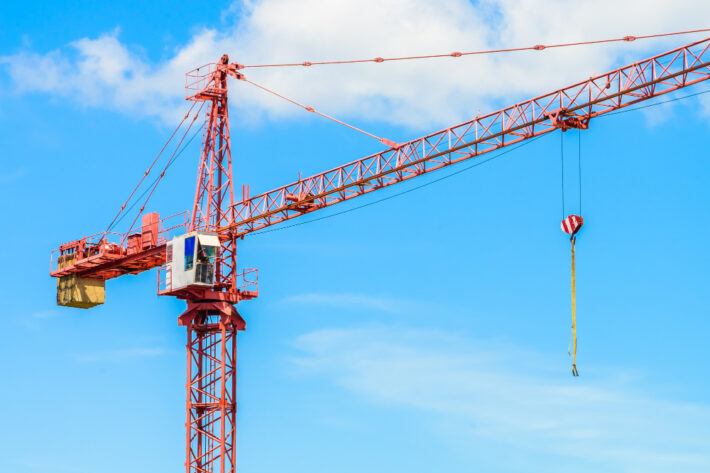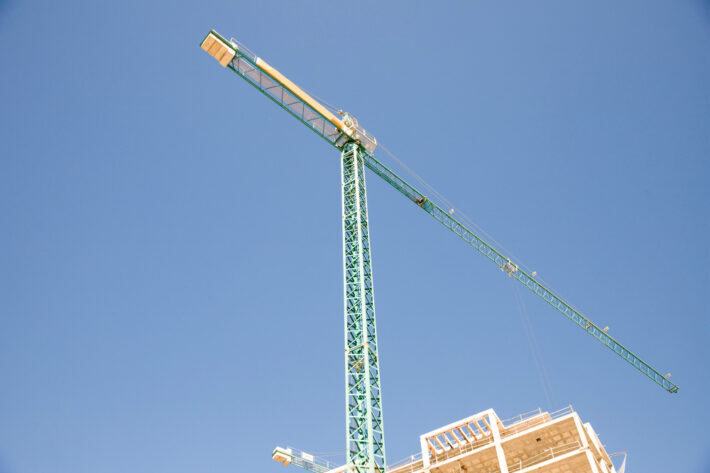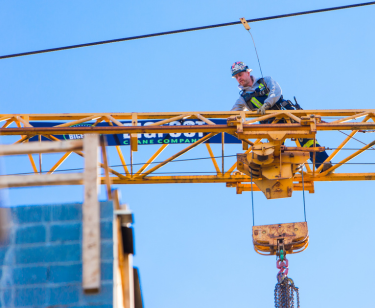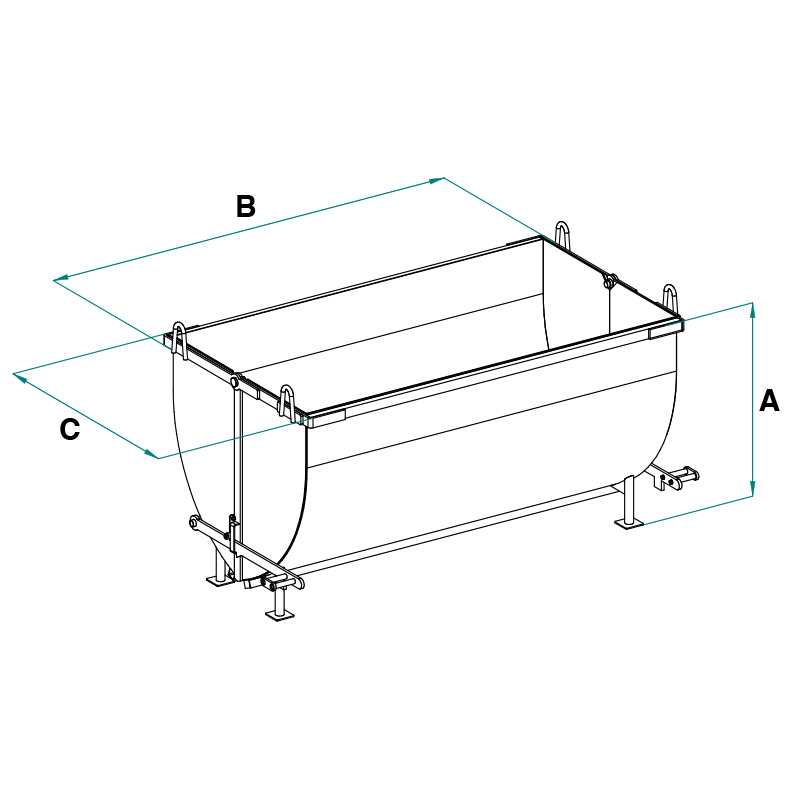

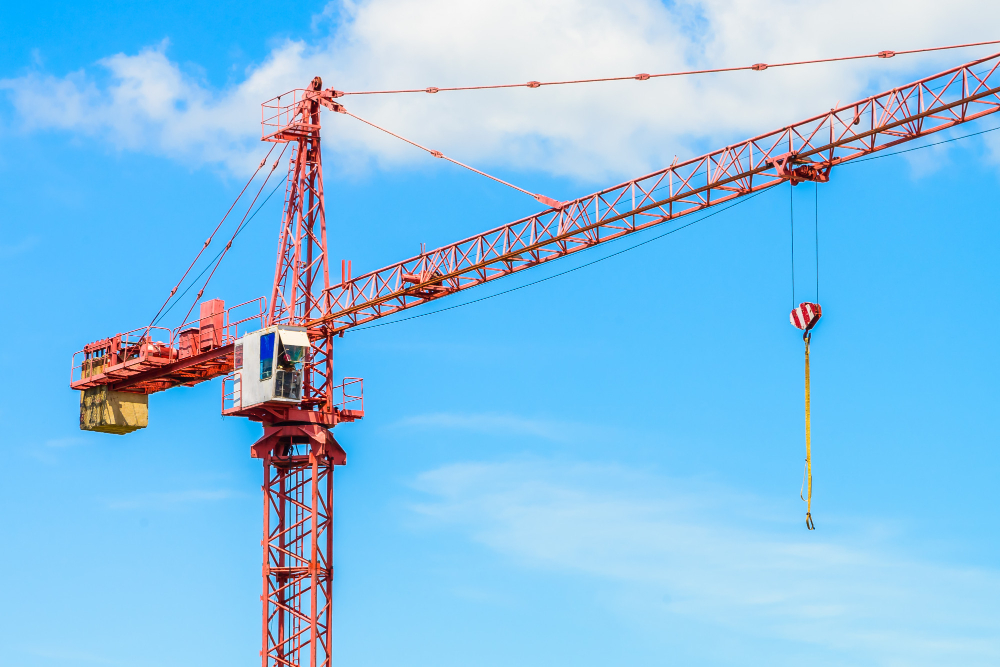
A 10-year tower crane refurbishment represents one of the most important lifecycle milestones in long-term crane asset management. Unlike routine maintenance programs that focus on servicing wear components or periodic inspections that evaluate operational condition, a refurbishment is a deeper intervention designed to restore reliability, improve operational stability, and extend the usable life of the crane. It serves as a strategic reinvestment intended to reduce unplanned downtime, improve supportability, and prepare the equipment for continued service in demanding construction environments.
Well-planned refurbishment programs should never be viewed as reactive repair projects triggered only by failures. Instead, they are proactive lifecycle management strategies that address accumulated wear before it develops into larger structural, mechanical, or operational problems. The scope of a 10-year refurbishment can vary significantly depending on several operational factors. Crane utilization levels, environmental exposure conditions, maintenance quality, structural fatigue progression, and the availability of OEM parts and technical support all influence refurbishment planning. High-cycle cranes operating in harsh environments typically require broader refurbishment scopes than lightly utilized cranes with strong maintenance histories and ongoing manufacturer support.
Understanding the 10-Year Major Inspection Requirement
After years of continuous lifting operations, exposure to harsh weather, and repeated structural loading, tower cranes begin to accumulate wear that cannot always be identified during routine servicing. A 10-year major inspection serves as a deeper lifecycle assessment designed to evaluate the crane’s long-term structural condition, operational reliability, and future serviceability before larger failures begin to emerge.
Overview of Major Inspection Standards for Tower Cranes
Unlike routine inspections that focus mainly on immediate operating condition, major inspection programs evaluate the crane from a broader lifecycle perspective. These assessments examine fatigue accumulation, structural stress, mechanical wear, and overall equipment stability after years of operation. Manufacturers typically establish lifecycle inspection milestones based on crane design limits, operating hours, and anticipated duty cycles. Periodic major assessments help determine whether the crane can continue operating safely with targeted refurbishment work or whether larger lifecycle interventions may eventually become necessary.
Regulatory and Manufacturer Inspection Expectations
Regulatory standards, including CSA and OSHA considerations, work alongside OEM inspection guidance to establish minimum compliance expectations. Jurisdictional requirements may also influence inspection procedures, documentation standards, and engineering approvals depending on the crane’s location and operational environment.
Importance of Engineering Supervision During Refurbishment
Certified engineering oversight remains critical throughout the refurbishment process. Engineers review inspection findings, evaluate structural integrity, approve repair procedures, and verify that all refurbishment work meets operational and compliance requirements before the crane returns to service.
Documentation and Lifecycle Planning
Maintenance history, utilization tracking, inspection records, and breakdown frequency analysis provide valuable insight into the crane’s long-term condition. Unlike a full rebuild, a 10-year refurbishment focuses on restoring reliability and extending operational life through targeted component replacement and strategic lifecycle planning rather than complete disassembly.
Pre-Refurbishment Planning Checklist
Successful tower crane refurbishments begin long before disassembly or inspection activities start on site. Proper planning helps contractors reduce downtime, manage project costs, avoid unexpected delays, and improve coordination throughout the refurbishment process. A detailed pre refurbishment checklist allows project teams to assess crane condition, review maintenance history, identify required replacement components, and evaluate operational risks before work begins. Careful planning also helps determine whether refurbishment remains the most practical long term lifecycle strategy compared to crane replacement, supporting safer operations and better financial decision making.
Reviewing Crane Operating History and Load Cycles
A detailed review of the crane’s operating history provides critical insight into accumulated wear and fatigue exposure. High-cycle cranes that have operated continuously on demanding projects often require broader refurbishment scopes than lightly utilized units. Duty-cycle analysis, lifting frequency, load intensity, and exposure to harsh environmental conditions such as coastal moisture, extreme temperatures, or corrosive environments all influence refurbishment priorities.
Verifying Previous Maintenance and Inspection Records
Maintenance documentation helps identify recurring deficiencies, unresolved structural concerns, and patterns of component wear. Inspection history, breakdown frequency, and previous replacement records allow engineers and maintenance teams to anticipate areas likely to require additional attention during refurbishment.
Assessing Shutdown Schedules and Budget Planning
Dowtime planning plays a major role in refurbishment preparation. Contractors must evaluate project schedules, fleet availability, and operational continuity before removing cranes from service. Refurbishment budgets should include scope forecasting, contingency allowances, and lifecycle cost evaluations to avoid unexpected financial pressure during the project.
Parts Availability and Long-Term Viability
OEM parts support, long lead components, obsolete systems, and long term equipment supportability all play a major role in determining crane refurbishment feasibility. Availability of replacement components directly affects project timelines, maintenance planning, and future operational reliability. Structural condition assessments, lifecycle economics, and future fleet strategies also influence whether refurbishment remains cost effective over time. Careful evaluation of these factors helps contractors determine whether partial refurbishment, major rebuilding, or complete crane replacement provides the strongest long term operational and financial investment for the company.
Structural Inspection Checklist
Structural inspection forms the foundation of every successful 10-year tower crane refurbishment. Years of repetitive loading, environmental exposure, climbing operations, and continuous stress gradually affect the crane’s structural integrity. A thorough inspection program helps identify fatigue accumulation, hidden defects, and long-term stability concerns before they develop into serious operational risks.
Mast Sections and Tower Frame Assessment
Inspection procedures begin with evaluating mast sections and the primary tower frame for structural straightness, distortion, and fatigue accumulation. Engineers closely examine connection points, bolt interfaces, and high-load transfer areas where wear tends to develop over time. Even minor structural deviations can affect crane alignment, climbing performance, and long-term stability.
Weld Crack Detection and Corrosion Inspection
Welded areas require detailed examination because stress concentration zones are especially vulnerable to fatigue cracking after years of operation. Surface cracking, internal corrosion, and metal deterioration often appear in areas exposed to moisture, vibration, and repeated loading. Corrosion assessments also focus on internal structural cavities where deterioration may not be immediately visible during routine inspections.
Jib, Climbing Frame, and Foundation Evaluation
Jib and counter-jib inspections evaluate structural deformation, reinforcement needs, and long-term wear in heavily loaded sections. Climbing frames undergo additional review for fatigue around hydraulic climbing supports and tie-in connection areas subjected to repeated stress cycles. Foundation and anchorage inspections verify anchor bolt condition, foundation movement, and overall structural stability.
Non-Destructive Testing and Lifecycle Planning
Ultrasonic testing, magnetic particle inspection, and dye penetrant testing help identify hidden fatigue damage that visual inspections may fail to detect during crane assessments. These non destructive testing methods improve accuracy when evaluating structural components exposed to long term operational stress. Engineering review procedures then assess structural viability, monitor fatigue progression, and determine appropriate repair or reinforcement strategies. Findings from these inspections support future rebuild planning, lifecycle extension programs, preventive maintenance scheduling, and long term asset management decisions that improve crane safety, reliability, and operational performance over time.
Mechanical System Refurbishment Checklist
Mechanical systems handle the continuous movement, lifting forces, and operational loads that tower cranes experience every day on active construction sites. After years of service, wear gradually affects drivetrain components, braking systems, rotating assemblies, and load-handling equipment. A detailed mechanical refurbishment program helps restore operational reliability while reducing the risk of unexpected failures and costly downtime.
Hoist Drum and Gearbox Inspection
The hoist drum and gearbox assembly undergo detailed evaluation to identify gear wear, shaft deterioration, seal damage, and lubrication issues. Operational performance testing helps detect abnormal vibration, overheating, noise, or power transfer inefficiencies that may indicate internal mechanical deterioration.
Slewing Ring and Bearing Assessment
Slewing systems experience continuous rotational stress during crane operation and therefore require careful inspection. Technicians measure backlash, evaluate bearing wear, inspect lubrication condition, and verify structural mounting integrity to ensure smooth and stable crane rotation under load.
Brake Mechanism Servicing and Component Inspection
Brake systems are inspected for lining wear, emergency braking performance, and calibration accuracy. Sheaves, pulleys, trolley assemblies, and bearing systems also undergo wear measurement, alignment correction, and operational verification to restore smooth crane movement and load handling precision.
Hook Block and Lubrication System Evaluation
Hook blocks and load-handling components are inspected for structural integrity, latch performance, and load path wear. Lubrication systems receive contamination checks, grease renewal, and preventative maintenance updates to improve long-term equipment protection.
Reliability and Downtime Prevention Goals
Mechanical refurbishment programs ultimately focus on improving uptime reliability, extending operational consistency, and minimizing unexpected breakdowns that disrupt construction schedules.
Wire Rope and Rigging Component Checklist
Wire ropes and rigging components operate under continuous tension, repetitive movement, and heavy lifting loads throughout the crane’s service life. Over time, fatigue accumulation, corrosion, and operational wear gradually reduce lifting reliability and increase the risk of component failure. During refurbishment, inspection procedures focus on identifying broken wires, diameter reduction, surface deterioration, and fatigue progression to determine whether ropes remain within acceptable operating limits or require replacement.
Rope anchorage systems also undergo detailed examination to verify connection security, corrosion levels, and overall wear condition at critical load transfer points. Hook blocks are inspected for structural distortion, excessive wear, and safety latch functionality to ensure safe lifting performance under operational loads. Reeving systems receive alignment checks to confirm proper rope routing, balanced tension distribution, and smooth movement across sheaves and pulleys during crane operation.
Load chains, fastening hardware, and critical connection assemblies are evaluated for wear, looseness, and torque accuracy to maintain overall structural reliability within the lifting system. Final functional safety inspections verify load path integrity, operational smoothness, and overall certification readiness before the crane is approved to return to service.
Electrical and Control System Checklist
Electrical and control systems form the intelligence of a tower crane, managing movement precision, load monitoring, safety responses, and operator commands. After years of continuous operation, these systems may experience wiring degradation, sensor drift, and component obsolescence, making a structured refurbishment review essential for safe and reliable performance.
Electrical Panel Inspection and Motor Testing
Electrical panels are inspected for wiring deterioration, heat damage, contamination, and connection integrity issues that can compromise system reliability. Motor performance testing follows, including insulation resistance checks, operational load testing, and thermal analysis to confirm that drive systems are functioning within safe operating limits under working conditions.
Safety System Verification and Functional Controls
Emergency stop systems undergo full verification to confirm shutdown functionality, circuit responsiveness, and fail-safe operation during critical events. Limit switches are tested and recalibrated to ensure accurate operational positioning and reliable shutdown accuracy. Load moment indicators are also evaluated through calibration procedures to verify monitoring accuracy and maintain compliance with safety thresholds.
System Integration and Modernization Review
Anti-collision and overload protection systems are tested for sensor performance, warning accuracy, and full system integration across crane operations. Modernization opportunities such as PLC upgrades, VFD integration, and improved operator interfaces are assessed to enhance performance and diagnostics.
Long-term supportability is also reviewed by evaluating OEM electronics availability, replacement part accessibility, and future serviceability to reduce obsolescence risks.
Hydraulic System Refurbishment Checklist
Hydraulic systems play a critical role in tower crane climbing, lifting assistance, and controlled movement function, making their condition essential to overall operational safety. During refurbishment, hydraulic cylinders are inspected for seal wear, surface damage, and pressure integrity issues that could affect system performance. Hoses and seals are evaluated for aging, fitting wear, and potential leak risks, with replacement carried out where necessary to prevent future failures.
Leak detection and pressure testing help confirm system consistency and operational reliability under working conditions. Hydraulic fluid is assessed for contamination levels, replacement needs, and filtration efficiency to ensure clean and stable system performance. Pumps and valves are also tested for efficiency, pressure regulation accuracy, and responsiveness during operation. The overall goal is to restore hydraulic reliability, improve climbing system performance, reduce failure risks, and ensure smooth and responsive crane operation under load conditions.
Operator Cabin and Safety Equipment Checklist
The operator cabin is the primary control point of a tower crane, making its condition essential for safe and efficient operations. During refurbishment, the cabin structure is assessed for integrity, weather protection, and overall visibility to ensure the operator maintains clear sightlines during lifting activities. Communication systems, including radios and emergency signaling devices, are tested to confirm reliable coordination between the operator and ground crews.
Safety equipment is also carefully reviewed, including fire extinguishers for certification validity, accessibility, and compliance with safety standards. Access systems such as ladders and platforms are inspected for structural strength, slip hazards, and safe access compliance. Guardrails and fall protection systems are evaluated for wear and regulatory conformity. Finally, modernization opportunities such as ergonomic improvements, updated control layouts, and enhanced visibility features are considered to improve operator comfort, safety, and overall operational efficiency.
Testing and Certification Checklist
Testing and certification confirm that a refurbished tower crane is safe, stable, and fully ready for return to service. Load testing is carried out at multiple working radii to verify capacity limits, structural stability, and real operational load performance under controlled conditions. All crane movements are then functionally tested, including hoisting, slewing, trolley travel, and climbing system operation to ensure smooth and accurate performance across all function.
Monitoring and warning systems are calibrated to maintain accuracy, including load moment indicators, sensors, and alarm systems that support safe operation. Crane plumb and alignment are also verified to confirm structural correctness and acceptable operational tolerances. Third-party engineering certification involves formal inspection signoff, detailed engineering review, and complete compliance documentation. Final operational readiness verification ensures commissioning procedures are completed, functional approval is granted, and the crane is safely cleared for return to active lifting operations.
Post-Refurbishment Maintenance Planning
Post-refurbishment maintenance planning ensures the crane continues to perform safely and efficiently after major works are completed. Updated inspection schedules are established to guide routine checks and detect early signs of wear or system issues. Maintenance records are used to track future wear trends and support informed decision-making over time. Preventive servicing intervals are planned to reduce unpexpected failures and extend component life. Operators are trained on updated systems and control upgrades to maintain safe operation standards. Ongoing structural monitoring programs help identify long-term changes in crane condition. Predictive maintenance tools support early intervention, while lifecycle planning prepares for future reinvestment decisions.
Strategic Goals of a 10-Year Refurbishment
A 10-year tower crane refurbishment is not just a technical intervention but a strategic decision that supports long-term fleet performance and asset value. One of the main goals is restoring reliability and operational stability after years of continuous service, ensuring the crane can continue working safely under demanding site conditions. It also focuses on extending lifecycle value through planned reinvestment, allowing owners to maximize returns without immediate replacement costs.
Another key objective is reducing unpexpected downtime risk by addressing wear and fatigue before failures occur. At the same time, refurbishment ensures continued compliance with regulatory standards and manufacturer requirements, while maintaining long-term supportability of systems and components. Preserving fleet standardization is also important, especially for contractors managing multiple cranes across different sites.
Refurbishment improves long-term operational economics by delaying the need for a full lifecycle rebuild. It creates a balanced approach between cost control and performance reliability.
Conclusion
A 10-year tower crane refurbishment is a proactive lifecycle management process designed to restore reliability, reduce downtime risk, and extend operational value. Effective programs combine structural inspection, mechanical servicing, electrical upgrades, hydraulic restoration, and compliance verification. Planning, documentation, engineering oversight, and supportability assessment all play critical roles in successful outcomes. Ultimately, well-executed refurbishments help maintain uptime, preserve asset value, and strengthen long-term lifecycle strategies.