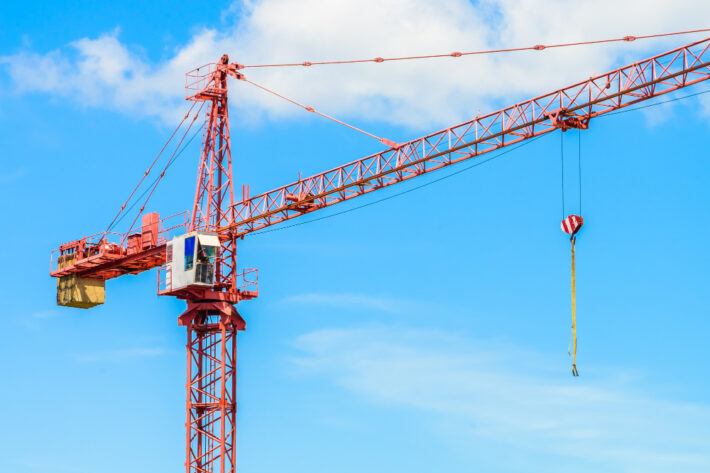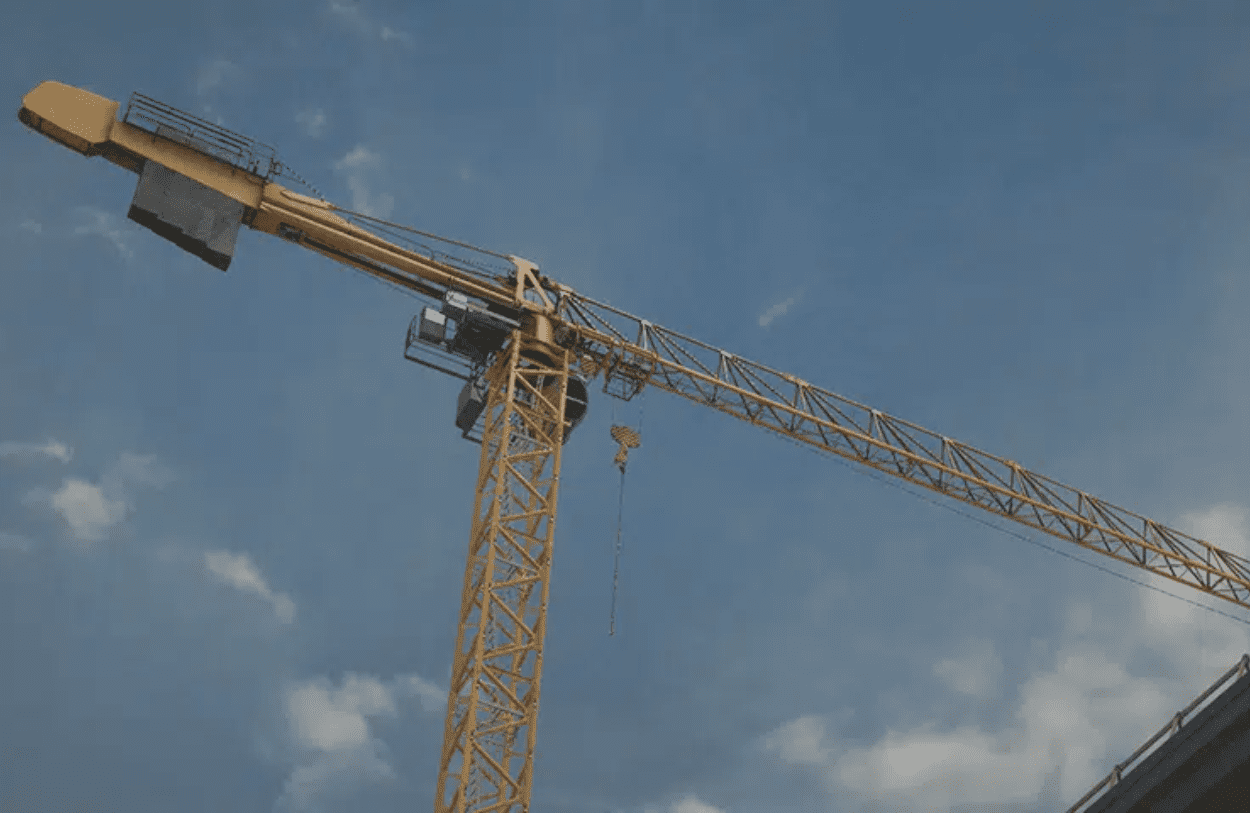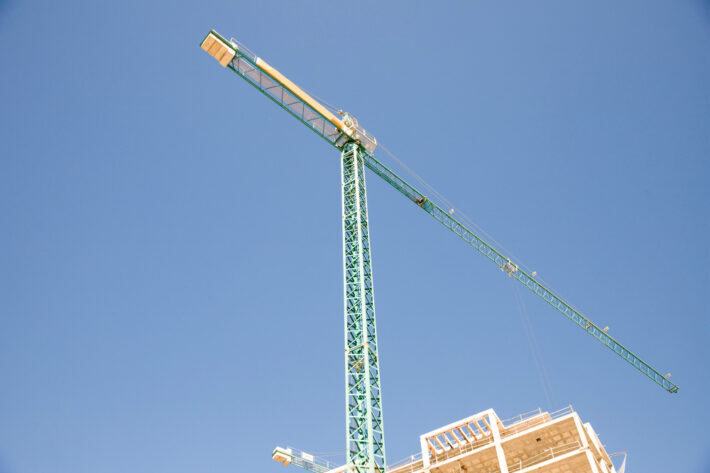
Tower cranes tend to stay in service for decades, quietly carrying the weight of countless projects without much attention until age begins to show. A crane hitting the 20-year mark often brings mixed signals, since it may still operate but hidden wear starts to raise concerns around safety and performance. Owners usually face a tough call at that point, either invest in a brand-new unit or rebuild the existing one at a lower cost. This checklist lays out a clear path for a Tower Crane Full Rebuild, helping decision-makers understand the scope, the process, and what a proper restoration really involves.
What Changes After 20 Years of Crane Operation
Years of lifting heavy loads and constant exposure to weather start to leave a visible and hidden mark on a tower crane. Steel sections may still look solid at a glance, yet fatigue builds slowly around joints, welds, and high stress areas. Small cracks or slight distortions can grow if they go unchecked, which is why age cannot be judged only on appearance.
Mechanical systems also begin to lose their sharp response. Motors run hotter, gearboxes develop play, and braking systems no longer feel as precise as they once did. Frequent adjustments become part of daily operation, and downtime starts to stretch longer than expected. Electrical systems add another layer of concern. Older control panels and wiring setups may no longer match current standards, and sourcing parts becomes frustrating.
Maintenance gradually shifts from routine servicing to constant problem solving. Costs creep up in small steps until they are hard to ignore. At that stage, patchwork repairs stop making sense. A full rebuild brings everything back into a controlled condition, where each system is addressed properly rather than chased one issue at a time.
When a Full Tower Crane Rebuild Makes Sense
A full tower crane rebuild becomes a serious option when the machine has reached an age where wear is visible across several systems, yet the main structure still holds strong potential for continued service. Strong original design plays a major role in that decision since well-engineered models tend to respond better to restoration work and allow critical components to be replaced without compromising the frame integrity. The overall condition of the crane often matters just as much as its age, since some units age gracefully under controlled maintenance while others deteriorate faster due to workload or environment.
Parts availability can shift the entire direction of the decision. Even a structurally sound crane may become impractical to rebuild when essential components are no longer accessible or take too long to source. This factor is usually checked early so that planning remains realistic and cost controlled.
Financial comparison also guides the choice in a very direct way. A new crane demands a large capital outlay, while a full rebuild often restores functionality at a significantly lower investment level, making it attractive for operators aiming to extend asset life without overcommitting funds.
A clear example can be seen in the restoration of the Peiner SMK308 from 2002, which returned to full working condition after refurbishment and demonstrated how a well chosen candidate can justify the rebuild path.
Overview of the 20-Year Full Rebuild Process
A full 20 year tower crane rebuild follows a structured journey that moves step by step from teardown to final commissioning. The process begins once the crane is fully dismantled and transported into the workshop, where each section is laid out for detailed attention. Nothing is assumed to be in good condition, since every component is treated as if it has reached the end of its original service life.
Several key stages define the workflow, starting with disassembly, followed by cleaning, inspection, repair, replacement, reassembly, and final testing. Each stage connects closely to the next, and progress only continues once checks confirm readiness. Inspections play a central role throughout the entire process since they guide decisions on what is restored and what must be replaced.
The checklist presented here breaks down that full rebuild journey into clear sections, reflecting real workshop practice and helping ensure that every part of the crane is returned to safe and reliable working condition.
Complete Disassembly, Surface Preparation, and Coating
A full 20 year crane rebuild begins in a workshop setting where the machine is taken apart piece by piece until every major section is separated and clearly identified. This stage is not rushed since correct disassembly sets the tone for everything that follows, and each component must be tracked carefully to avoid confusion during reassembly.
Once stripped down, the steel sections undergo sandblasting to remove old paint layers, rust, and built up surface contamination that may have developed over years of exposure. This process exposes the true condition of the metal underneath, revealing areas that may require repair or reinforcement. At this point, the structure is fully visible, allowing engineers to make accurate decisions based on actual material condition rather than surface appearance.
After evaluation, protective painting begins using controlled application methods designed to restore surface protection. A proper coating system is applied in layers to guard against moisture, corrosion, and environmental wear once the crane returns to site conditions.
This combination of deep cleaning and recoating strengthens the overall durability of the crane, helping extend its working life while maintaining stable performance in demanding lifting environments over the next operational cycle.
Multi-Stage Inspection and Quality Control
Inspection work runs through every phase of a full crane rebuild, and it begins even before any surface treatment takes place. At the initial stage, technicians study each section in its original condition, looking for visible deformation, corrosion patches, and early signs of fatigue around high-load areas. This first review helps guide what needs closer attention once the structure is cleaned.
After sandblasting, the crane changes completely in appearance, and that moment often reveals details that were hidden under paint and dirt. Fine cracks, worn joints, and stress marks become visible, giving a clearer picture of the real structural condition.Decisions made here often shape the direction of repairs and replacements. Once painting is complete, another inspection follows to confirm coating quality, thickness, and coverage across all surfaces. Any missed areas or weak application points are corrected before reassembly continues.
Throughout these stages attention is given to recurring stress zones where heavy lifting forces concentrate over years of operation. Recording every finding supports traceability and helps maintain proper standards during the rebuild process. Documentation also plays a role in compliance, creating a clear record that shows how each component was assessed and returned to service condition.
Mechanical System Rebuild
Mechanical systems form the working heart of a tower crane, and after two decades of service they often require full attention rather than partial repair. Brake systems are usually the first to be addressed since they handle load control and safety during every lifting cycle. Worn friction parts, weak response, or uneven engagement are corrected through either full rebuilding or complete replacement depending on condition.
Motors also go through detailed inspection where winding condition, heat damage, and performance consistency are tested before deciding on restoration or replacement. Gearboxes receive similar treatment, since internal wear can affect smooth power transfer and introduce vibration during operation.
The slew bearing stands as one of the most critical components in the entire system, and replacement at this stage helps restore smooth rotation and load handling accuracy. Every mechanical adjustment contributes to overall crane stability, and even small weaknesses can affect performance on site. Strong mechanical integrity brings confidence back into the machine, allowing it to operate under load without unpredictable behavior during lifting operations.
Replacement of Wear Components
Wear components on a tower crane carry a constant load cycle that slowly reduces their performance long before any visible failure appears. Sheaves are often among the first parts to show this gradual decline since they handle continuous rope movement, and even slight groove wear can affect lifting smoothness and rope life. Replacing them during a full rebuild helps restore correct alignment and reduces unnecessary strain on other lifting parts.
Wire ropes and cables also reach a natural limit after years of tension, bending, and exposure to weather conditions. Even when they appear usable, internal fatigue can make them unsafe for continued service. Bearings across different assemblies face similar conditions, where friction and load cycles create wear that cannot be fully reversed through repair.
Replacement is generally preferred over repair in these cases because hidden fatigue cannot always be measured accurately once a part has reached long service life. New components bring predictable performance, which is important when safety margins depend on consistent mechanical behavior.
A full replacement approach strengthens the overall reliability of the crane and supports longer operational life. It also reduces the risk of unexpected failure, which can disrupt work schedules and create unsafe conditions on site.
Hydraulic System Refurbishment
Hydraulic systems on tower cranes play a steady supporting role in movements that require controlled force and smooth response, especially in models where hydraulic functions are part of luffing or auxiliary operations. During a full rebuild, these systems are assessed carefully since even small internal wear can affect precision.
Inspection begins with checking cylinders, hoses, seals, and valves for signs of leakage, pressure loss, or contamination inside the fluid lines. Once issues are identified, components are either rebuilt or replaced depending on their condition and service history. Cleaning the system thoroughly helps remove residue that may have built up over time and affected flow consistency.
Attention is also given to leak prevention since minor seepage can gradually reduce efficiency and create long term maintenance challenges. Fresh seals and correctly calibrated pressure settings help restore stable operation. After refurbishment, hydraulic performance is tested under working conditions to confirm smooth movement and consistent response during crane operations on site.
Electrical System and Control Cabinet Upgrades
Electrical systems in a tower crane often reveal their age long before the steel structure does, especially when original components begin to struggle with reliability or compatibility with modern standards. During a full rebuild, outdated relays, wiring, and control modules are reviewed carefully and replaced where performance no longer meets current operational expectations. This stage is not just about swapping parts, but about restoring confidence in how the crane responds under load and during precision movements.
A new cabinet enclosure is often introduced to replace older housings that may have suffered from heat exposure, moisture ingress, or general wear over time. The updated enclosure provides a cleaner internal layout, better protection, and easier access for future maintenance work. Control systems are also upgraded to improve responsiveness and allow smoother communication between operator inputs and mechanical action.
Attention is given to safety and compliance requirements that may have changed since the crane was first commissioned. Modern electrical standards place strong emphasis on protection, fault detection, and emergency response function, all of which are reviewed and integrated during this stage. Once completed, the electrical system supports stable crane operation while reducing the likelihood of unexpected shutdowns or control errors during daily use on site.
Reassembly, Erection, and Final Testing
Reassembly begins once every component has passed inspection and refurbishment, and each section returns to the workshop floor with a clear identity and placement plan. Technicians follow a controlled sequence where structural sections are joined carefully, ensuring bolt connections, weld points, and alignment markers match original specifications. Nothing is rushed at this stage since small alignment errors can affect long-term stability once the crane is back in service.
After assembly, the crane is erected again under controlled site conditions that replicate real working environments. This stage often brings a sense of completion, as the machine starts to take its full shape after months of restoration work. Attention shifts to balance, structural alignment, and the correct position of all major systems.
Load testing follows, and this step confirms how the crane responds under working pressure. Different load levels are applied to observe lifting stability, braking response, and rotation smoothness. Any irregular behavior is addressed before approval is given.
Operational checks are carried out across all systems, including mechanical, electrical, and control functions. Once every test is passed and performance is consistent, the crane is cleared for delivery, marking the final transition from workshop restoration to active site use.
Benefits of a Full 20-Year Crane Rebuild
A full 20-year crane rebuild brings several practical advantages that make it a strong alternative to purchasing a new unit, especially when the base structure is still sound and suitable for restoration.
Cost savings
Rebuilding usually requires a lower investment compared to buying a new crane, while still restoring full working capacity.
Extended lifespan
A successful rebuild can return the crane to service for many additional years, effectively giving it a second operational cycle.
Reliability improvements
Replacing worn mechanical, electrical, and structural components helps reduce breakdowns and improves consistency during lifting operations.
Sustainability advantages
Reusing the main structure reduces demand for new raw materials and limits industrial waste, making the process more resource-conscious.
Conclusion
A full 20-year tower crane rebuild brings together inspection, replacement, and careful restoration into one structured process that returns an aging machine back into dependable service. Each stage, from disassembly to final testing, plays a role in correcting wear that builds up over long period of heavy lifting. The outcome is not just a repaired crane, but a machine that has been reset for another cycle of work under controlled standards. When the base structure is still strong and parts remain available, rebuilding offers a practical path that balances cost, performance, and long term value in a way that supports continued safe operation on site.