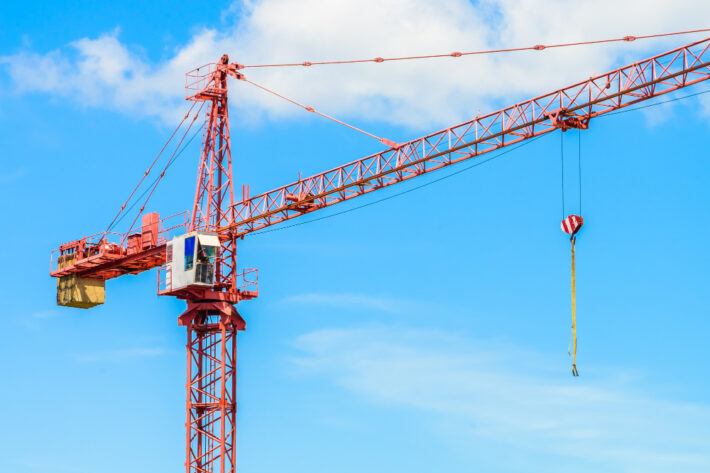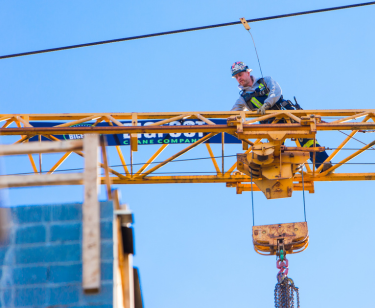
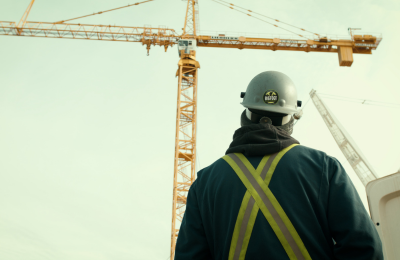
Crane activity across Vancouver, Surrey, Langley, Abbotsford, and nearby construction zones has been picking up steadily, and that shift is easy to notice when passing active job sites where lifting work often keeps projects moving on tight schedules. Each lift carries weight beyond the load itself, since timing, communication, and awareness on site can shape how smoothly work progresses from one stage to the next.
Training plays a direct role in how operators handle those moments, influencing safety, employability, and day to day efficiency in ways that show up quickly once work begins on site. Employers across the province tend to look for operators who understand practical crane handling, clear communication with ground crews, and safe decision making that aligns with BC crane safety expectations used across construction environments.
Searches for crane operator training BC and bigfoot crane operator training near me have grown as more people look for structured entry points into the industry, often after seeing how important certification has become on modern projects. Bigfoot Crane Academy supports that demand through bigfoot crane training programs built around real site expectations, giving learners a clearer path into crane operation without separating learning from actual job conditions.

About Bigfoot Crane Academy: Who We Are
Bigfoot Crane Academy has been part of crane training in British Columbia since 2008, making it one of the longest operating private crane training providers in the province. Over that time, training needs across construction sites have changed, yet the focus here has stayed consistent, which is preparing operators who can step onto real job sites and understand both the equipment and the responsibility that comes with it.
Training programs are built around practical instruction that reflects how cranes are used in daily work rather than relying only on classroom explanation. Learners spend time working through real operational steps such as inspections, communication practices, rigging awareness, and controlled lifting tasks, all shaped by industry expectations rather than abstract examples. That approach gives students a clearer sense of how crane work actually unfolds across different environments in British Columbia.
A strong focus on safety culture runs through every program, where attention is placed on decision making, awareness of surroundings, and consistent communication between operators and ground crews. This approach helps build habits that support safer performance once learners move into active work settings.
Companies and individuals often turn to Bigfoot Crane Academy because training is structured around real site demands and not generic instruction. That reputation has helped position us among well-known crane training schools and respected crane operator schools in the region.
Why Bigfoot Crane Academy Stands Out
Bigfoot Crane Academy builds its training around industry input and real jobsite expectations rather than generic classroom instruction, which shapes how learners move through each stage of the program. Lessons connect directly to crane operation tasks such as inspection routines, communication practices, and safe lifting procedures, helping learners understand how decisions in training translate into real work conditions across construction sites in British Columbia. This approach creates a clearer link between learning and performance once operators step into active roles.
Training combines classroom theory, simulator practice, and hands on equipment work so learners can build confidence in different stages before working in real environments. Classroom sessions focus on safety awareness, communication, and operational procedures, while simulator sessions help learners get comfortable with controls in a controlled setting. Practical training on actual equipment then brings everything together in a way that reflects the pressure and pace of real lifting work on site, aligning closely with BC safety expectations and jobsite requirements.
Employers often look for consistency in operator performance, especially in environments where safety and coordination directly affect productivity and project timelines. Bigfoot Crane Academy has developed a strong reputation for producing learners who demonstrate steady, job ready performance after certification, which has helped build trust across the industry. Interest in bigfoot crane certification classes and bigfoot crane operator certification continues to grow as more individuals and companies look for training that delivers practical readiness rather than classroom only instruction.
Overview of Training Pathways
Crane training at Bigfoot Crane Academy is organized as a connected system that supports different stages of learning, starting from entry level exposure and moving into advanced operational roles. Instead of treating each course as a standalone option, the structure allows learners to build experience step by step while aligning training with real jobsite expectations across British Columbia construction environments. This approach helps both new entrants and experienced workers find a clear path that matches their current role and future goals.
The main training ecosystem includes several pathways that work together in practice rather than isolation, each focusing on a specific part of crane operation and site safety responsibility.
- Crane Operator Certification: Focuses on core operation skills, including setup, lifting control, communication, and safe equipment handling across different crane types used on site.
- Rigger Certification: Develops knowledge of load handling, sling use, lift preparation, and communication between ground crews and operators while conducting lifting work.
- Hoist Operator Training: Supports the role and responsibilities of those working with vertical movement and of those working in busy and constricted workplace environments.
- Equipment Training: Provides practical exposure to different machinery used on construction sites and helps learners build familiarity before entering active roles.
- Simulator Training: Provides controlled practice where learners can develop confidence in operating procedures without jobsite pressure.
- On-site and Corporate Training: Brings instruction directly to companies that want to train teams together under real working conditions.
Each pathway connects into the next, allowing progression from foundational skills to more advanced operator roles over time. Interest in bigfoot crane courses, bigfoot crane operator classes, and structured bigfoot crane operator training often comes from this flexibility, since learners can move through programs in a way that matches both career growth and workplace demand.
Crane Operator Certification Programs
Crane operator certification programs at Bigfoot Crane Academy are built around preparing learners for real responsibilities on active job sites, where every lift depends on timing, communication, and careful control of equipment. Instead of treating certification as a final classroom test, the training follows a practical path that connects learning stages directly to the work operators are expected to perform once they enter the field.
Operator training pathways
Crane operator pathways are designed to match different levels of experience and career direction, allowing learners to start at a point that fits their background and progress into more advanced roles over time. Some begin with basic exposure to lifting environments, while others enter with rigging or construction experience and focus on refining technical skills for specific crane types used across British Columbia construction sites.
What students learn
Training covers setup procedures, lifting control, communication practices, and planning skills that support safe and efficient crane operation. Set-up work includes inspection routines and preparation steps before lifting begins, while lifting control focuses on managing loads with steady movement and awareness of surroundings. Communication training plays a key role, especially when coordinating with riggers, signal persons, and site supervisors during active operations. Planning elements introduce learners to lift preparation and decision making that supports safer execution on site.
Types of certification programs
Crane operator certification programs vary depending on crane type and operational scope, giving learners the ability to focus on specific equipment categories used in construction environments. These pathways allow progression from foundational operator skills into more specialized crane operation roles that align with industry demand across different job sites.
Hands on training emphasis
Practical training forms the core of each program, where learners work directly with equipment under supervision to build confidence and consistency. Time spent on actual cranes allows students to apply theory in real conditions, reinforcing habits that support safe operation and smoother coordination during lifts. Simulator sessions may also be included to help learners build familiarity before transitioning into full equipment use.
Career outcomes and job readiness
Completion of crane operator certification training prepares learners for roles where safety awareness, communication, and operational control are expected on a daily basis. Graduates often move into site based positions where they contribute to lifting operations across residential, commercial, and industrial projects. Strong emphasis on real world training helps bridge the gap between certification and job readiness, giving operators a clearer understanding of expectations once they begin working in active crane environments.
Rigger Certification Programs
Rigging sits at the centre of safe crane operation because every lift begins long before the operator moves a control. Load stability, attachment points, and communication between crew members all depend on how well rigging work is understood and performed. When rigging is handled correctly, crane operations tend to run more smoothly, with fewer delays and clearer coordination between ground teams and operators.
Rigger certification training at Bigfoot Crane Academy focuses on practical skills that support safe lifting work in real conditions. Learners work through load control principles, learning how weight distribution affects stability and movement during lifts. Slings use is another key area, where attention is given to selecting, inspecting, and applying lifting gear correctly before any load is moved. Safety checks form a consistent part of training, reinforcing the habit of reviewing equipment, connections, and site conditions before work begins, rather than reacting to issues once lifting is underway.
Rigging also plays an important role in developing stronger crane operators. Understanding what happens on the ground helps operators make better decisions in the cab, especially when interpreting signals, adjusting load movement, or responding to changing site conditions. This shared understanding between riggers and operators supports clearer communication and reduces uncertainty during lifts, particularly in busy or restricted work areas.
Experience gained through rigging training often becomes a foundation for crane operator development, since it builds awareness of how loads behave and how team coordination affects safety and efficiency on site. This connection between ground work and crane control helps learners transition into operator roles with a stronger sense of responsibility and situational awareness across different lifting environments.
Hoist Operator Training
Hoist operators play a steady but important role on construction sites where materials need to move vertically between different levels of a structure. Their work supports the flow of materials such as tools, equipment, and building supplies, helping other crews stay productive without delays caused by manual lifting or inefficient transport methods. Even though hoist systems may appear simpler than cranes, the responsibility around safe operation and communication remains significant in busy site environments.
Hoist operator training at Bigfoot Crane Academy focuses on building practical awareness of safety procedures, clear communication, and controlled load handling. Safety training covers inspection habits, proper use of equipment, and awareness of surrounding site activity, especially in areas where multiple teams may be working at the same time. Communication skills are reinforced through standard signaling and coordination practices that help operators respond accurately to instructions from supervisors and site personnel. Load handling instruction focuses on moving materials smoothly and maintaining stability during vertical transport, reducing the risk of dropped loads or delays in delivery.
Within broader career pathways, hoist training often acts as an entry point into lifting operations or as a supporting role for individuals already working in construction who want to expand their skills. Some learners use hoist certification as a foundation before moving into more advanced crane operator or rigging programs, while others take it as a focused skill set that complements their existing site experience. This flexibility allows hoist training to fit into different stages of a construction career, supporting both early development and gradual progression into more complex lifting roles over time.
Equipment Training and Simulator Training
Equipment training and simulator based learning at Bigfoot Crane Academy work together to give learners a structured way to build confidence before stepping into active construction environments. Real equipment exposure allows students to understand how machines respond under load, how controls feel during operation, and how small adjustments can affect movement and stability. This direct interaction helps bridge the gap between theory and real world application, especially for those who may be handling cranes or lifting equipment for the first time.
Simulator training adds another layer of preparation by offering controlled practice in a setting that removes jobsite pressure while still reflecting realistic operating conditions. Learners can repeat procedures such as lifting, positioning, and communication without the risks that come with live construction work. This repetition supports skill development at a steady pace, allowing individuals to focus on technique, timing, and decision making before moving into real equipment use.
Controlled practice plays an important role in reducing uncertainty when transitioning to site work. Familiarity with controls, lifting responses, and communication procedures helps learners approach real jobs with a clearer understanding of what to expect. That preparation often leads to smoother performance during early site experience, where confidence and awareness directly influence safety outcomes.
Simulation also strengthens safety awareness by allowing learners to experience different scenarios that highlight potential risks and decision points. Situations involving load movement, coordination challenges, and changing site conditions can be introduced in a controlled environment, giving learners time to think through responses before applying them in real work settings. This combination of equipment training and simulation supports a more balanced learning process that connects practical skill with safety focused decision making.
On Site and Corporate Training Programs
On site and corporate training at Bigfoot Crane Academy brings instruction directly into working environments where crews are already active, allowing learning to take place in conditions that closely reflect daily jobsite demands. This approach removes the gap between classroom learning and real work by placing training within the same spaces where equipment is used, lifts are planned, and teams communicate under normal operational pressure.
Programs are adjusted based on workforce needs, since different companies often require different levels of focus depending on project type, equipment use, and team experience. Some groups may need concentrated support around crane operation and rigging coordination, while others focus on safety refreshers, communication practices, or consistent application of site procedures. This flexibility allows training to match real operational challenges rather than following a fixed classroom structure that may not reflect specific site conditions.
Employers benefit from this approach through improved consistency across teams, since operators and crew members receive the same instruction in the same environment where they will apply it. This can support clearer communication, smoother coordination during lifting work, and fewer disruptions caused by differences in training background. Teams also tend to build stronger working relationships when learning together on site, which can improve confidence during complex lifts or time sensitive operations.
On site and corporate training also supports ongoing development rather than one time instruction, allowing companies to reinforce safe practices and update skills as project requirements change. This makes it easier to maintain steady performance standards across multiple job sites while supporting safer, more coordinated crane and lifting operations.
Choosing the Right Crane Training Path
Choosing a crane training path often depends on where someone stands in their career and what type of work lies ahead, since each program at Bigfoot Crane Academy supports a different stage of development. Some people are stepping into construction for the first time and need structured guidance, while others already have field experience and want to formalize their skills or move into more advanced equipment roles.
Decision guide based on career goals
Career direction often shapes the best starting point. Crane operator programs suit those aiming to work directly with lifting equipment, while rigging and hoist training support roles that build foundational site experience. Simulator and equipment training can also support learners who prefer gradual skill development before entering full operational work.
New operators vs experienced workers
New operators usually benefit from structured entry-level programs that focus on safety awareness, communication, and basic operational control. Experienced workers may focus more on certification upgrades or specialized crane types, where existing site knowledge can be built into more advanced technical training without repeating foundational content.
Employers choosing training for teams
Employers often select training based on consistency across crews, especially when multiple workers need similar safety understanding and operational habits. On site and corporate programs can help align team performance across different job sites, supporting clearer communication and safer coordination during lifting work.
Career progression pathways
Training pathways are designed to support gradual progression, allowing learners to move from foundational roles into more advanced crane operation or supervisory responsibilities over time as experience and certification levels increase.
FAQs
How do you learn to use a crane?
Learning to use a crane at Bigfoot Crane Academy involves a combination of classroom instruction, practical equipment training, and supervised hands on practice. Students build understanding of safety procedures, communication methods, and operational control before applying those skills during real equipment sessions that reflect jobsite conditions.
How long is the crane training course?
Course length varies depending on the program. Some crane operator certifications run over a short intensive period, while others extend over several weeks to cover deeper instruction in planning, safety systems, and operational practice.
What courses does Bigfoot Academy provide?
Bigfoot Crane Academy provides crane operator certifications, rigger certifications, hoist operator training, equipment training, simulator training, and on site or corporate training programs that support different stages of skill development.
Does Bigfoot Academy train individuals and companies?
Training is available for both individuals entering the industry and companies looking to upskill teams, with programs structured to support different experience levels and workforce needs.
Do you offer onsite and in person training?
On-site and in-person training options are available, allowing instruction to take place either at the academy or directly at company job sites, depending on training requirements.
Looking for answers about Bigfoot Crane Academy?
Additional guidance is available through the training team, who can help match programs to career goals and provide clarity on prerequisites and course pathways.
Conclusion and Call to Action
Bigfoot Crane Academy has played a steady role in crane training across British Columbia, supporting both new and experienced workers who want to build stronger skills in real site conditions. Training programs focus on safety awareness, practical ability, and clear communication, which directly influences how operators perform once they enter active construction environments. This approach supports better career outcomes while also strengthening safety standards across worksites.
Career growth often begins with the right training choice, and speaking with the team can help match goals with the right program. Contact us today to discuss available courses, confirm requirements, and book a training date that fits your upcoming plans in crane operation and site work.