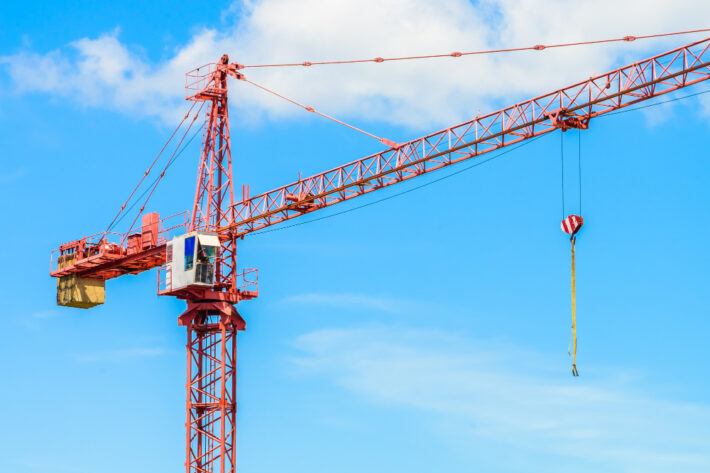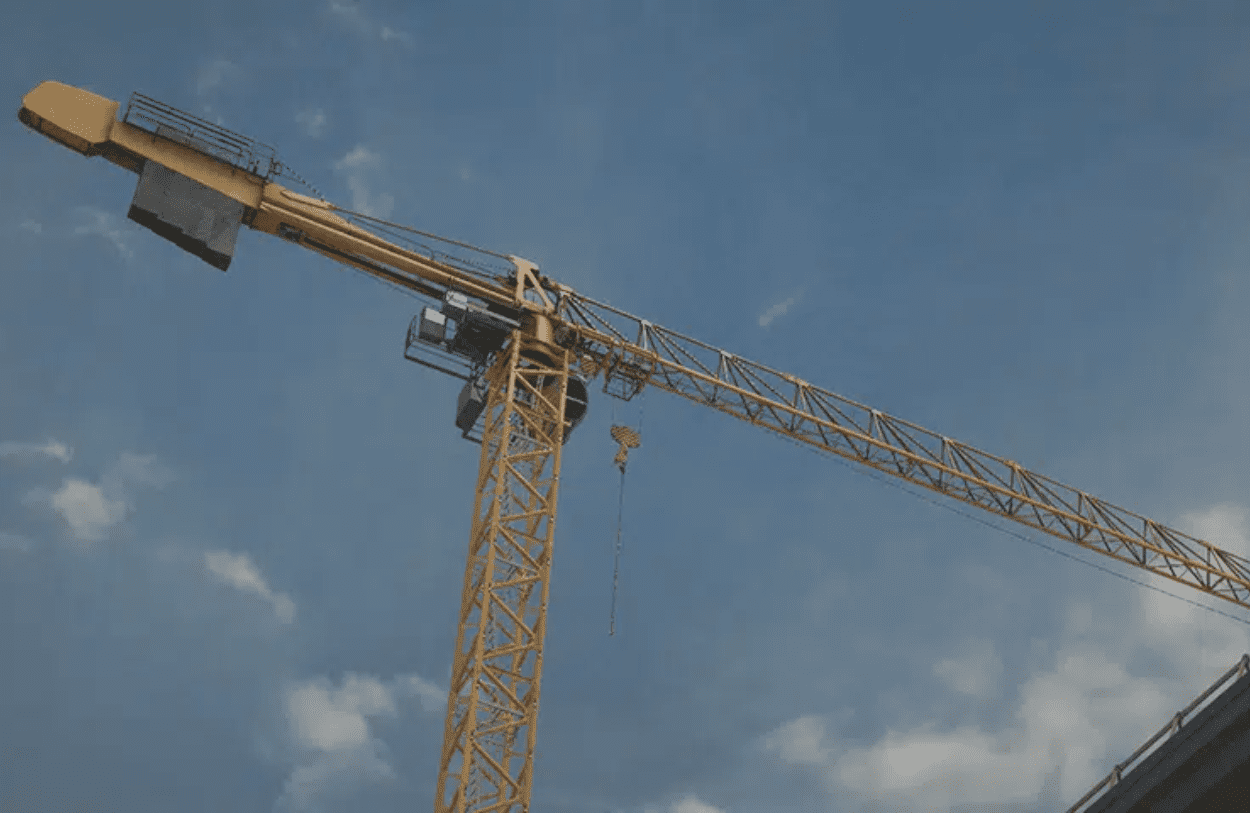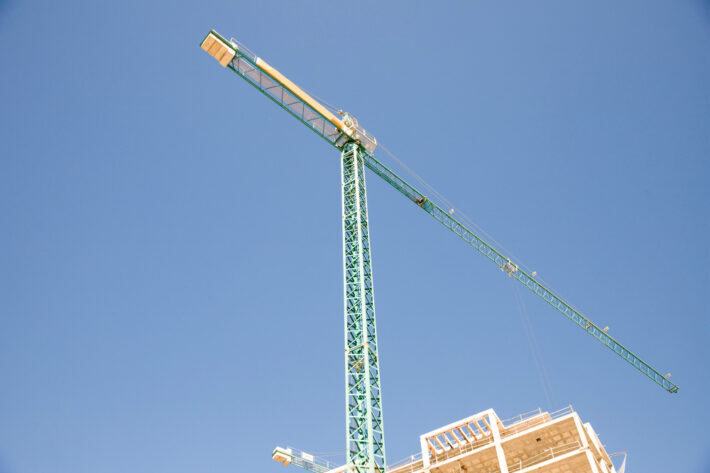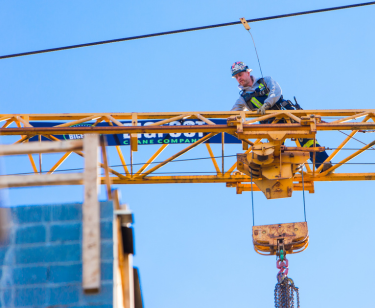

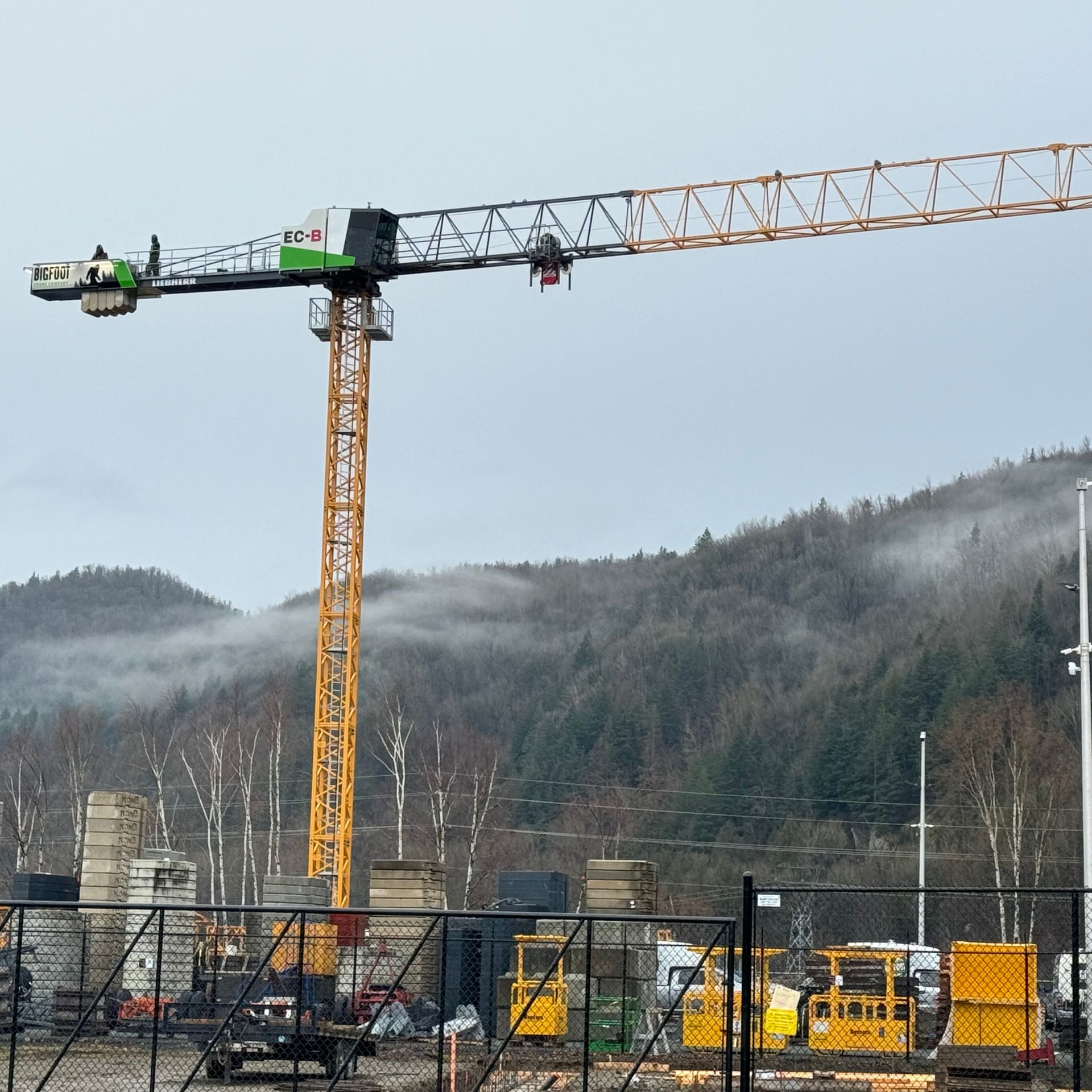
A tower crane rebuild is a structured restoration process aimed at returning aging equipment to safe and dependable operating condition. Unlike routine repairs that focus on isolated faults, rebuild programs involve major inspection, disassembly, refurbishment, testing, and system restoration across the crane. Contractors and fleet owners often choose rebuilds when reliability begins to decline, downtime becomes frequent, or long term operational value needs to be preserved.
The process focuses on restoring structural strength, mechanical performance, electrical reliability, and safety compliance while extending the crane’s usable service life. Rebuilds also help protect asset value by reducing the financial pressure associated with full replacement. Major systems commonly addressed include structural sections, hoisting components, slewing systems, electrical controls, hydraulics, safety devices, and load handling assemblies.
Initial Crane Assessment and Inspection
Every tower crane rebuild begins with a detailed inspection process that determines the overall condition of the equipment before any major work takes place. This stage helps identify structural concerns, performance issues, wear patterns, and hidden damage that may affect rebuild planning and long term operational reliability.
Comprehensive Condition Evaluation
Before any rebuild work starts, the crane goes through a detailed assessment process designed to identify wear, hidden damage, and declining system performance. This early evaluation helps engineers determine the rebuild scope, estimate costs, and identify components that may require replacement instead of repair. A careful inspection at this stage often prevents unexpected problems later during teardown.
Maintenance History and Operational Review
Maintenance records and operational history provide valuable insight into how the crane has been used over time. Frequent breakdowns, repeated repairs, harsh operating environments, and high duty cycles can reveal patterns of stress or accelerated wear. Previous inspection findings also help rebuild teams focus attention on known problem areas.
Structural and System Testing
Structural inspections focus heavily on cracks, corrosion, deformation, and fatigue accumulation across mast sections, jibs, tie-in points, and welded connections. Mechanical testing evaluates the condition of hoists, gearboxes, bearings, brakes, and slewing systems under operational conditions. Electrical assessments examine motors, wiring, sensors, and control reliability to determine if modernization or replacement is necessary.
Non-Destructive Testing Procedures
Non-destructive testing methods are widely used during inspections because they allow technicians to detect hidden flaws without damaging components. Ultrasonic testing, magnetic particle inspection, and dye penetrant testing help identify internal cracking, weld defects, and fatigue-related weaknesses before rebuild decisions are finalized.
Complete Disassembly and Teardown
Once the initial inspection phase is complete, the crane enters the disassembly and teardown stage. This process involves controlled dismantling of major sections so that every structural, mechanical, and electrical component can be evaluated individually. Careful sequencing is necessary because improper dismantling can damage reusable parts or create safety risks during handling and transport.
Structural sections, hoisting systems, electrical controls, hydraulic assemblies, and safety components are separated systematically during teardown. After removal, components are cleaned thoroughly to eliminate grease, corrosion buildup, dust, and contaminants that may hide defects. Cleaning also prepares surfaces for detailed inspection, measurement, repair planning, and non-destructive testing procedures.
Teardown often reveals hidden wear that cannot be identified during routine inspections while the crane remains assembled. Internal corrosion, fatigue cracking, bearing damage, shaft wear, and electrical deterioration commonly become visible at this stage. Documentation plays a major role throughout the process because every component must be labeled, tracked, and recorded accurately before refurbishment begins. Proper documentation helps prevent assembly errors later, improves rebuild planning accuracy, and creates a clear reference system for engineers, technicians, and inspectors involved in the rebuild program.
Structural Component Restoration
Structural restoration forms one of the most demanding stages of a tower crane rebuild because the integrity of the entire crane depends on the condition of its steel framework. Years of lifting cycles, environmental exposure, and operational stress can gradually weaken structural components, making detailed restoration necessary before the crane returns to service.
Mast Sections and Tower Structure
Mast sections and tower components are inspected carefully for cracking, deformation, corrosion, and fatigue accumulation. Engineers evaluate connection points, bolt holes, welded joints, and high stress areas where repeated loading may have caused weakening. Damaged sections may be repaired, reinforced, or replaced depending on the severity of deterioration.
Jib and Counter Jib Refurbishment
The jib and counter jib are restored through structural cleaning, inspection, and repair procedures aimed at recovering strength and alignment. Bent members, worn connections, and damaged support areas are corrected to restore proper load distribution during lifting operations. Attention is also given to tie-in points and structural joints exposed to repeated stress.
Weld Repairs and Corrosion Treatment
Weld restoration procedures address fatigue cracking and weakened structural seams discovered during inspection. Certified welders carry out repairs according to engineering specifications before reinforcement work is completed where necessary. Corrosion removal is equally important because rust can gradually reduce steel thickness and weaken structural reliability. Surface treatment and protective coatings help slow future deterioration.
Alignment and Integrity Verification
Once repairs are completed, frame alignment and structural geometry are verified carefully to confirm the crane remains within operational tolerances before assembly begins.
Mechanical System Rebuilds
Mechanical system rebuilding focuses on restoring the moving components responsible for lifting, slewing, braking, and load handling. Years of continuous operation gradually create wear inside rotating assemblies, gear systems, and load transfer components. Rebuild procedures aim to restore dependable performance while reducing the likelihood of unxpected mechanical failure after recommissioning.
Hoist Drum and Gearbox Rebuilding
Hoist drums and gearboxes are dismantled and inspected for shaft wear, gear damage, scoring, overheating, and lubrication contamination. Internal gears, seals, and worn components are replaced where necessary before the systems are reassembled and tested under operational load conditions.
Slewing Ring Inspection and Replacement
The slewing ring receives close attention because it carries enormous rotational and structural loads during crane operation. Technicians inspect for backlash, unven wear, cracking, and mounting damage. Severe wear or fatigue may require complete replacement followed by alignment verification and torque testing during installation.
Brake System Servicing
Brake assemblies are rebuilt to restore reliable stopping performance and load control. Brake linings, springs, hydraulic elements, and adjustment systems are inspected carefully to confirm proper engagement and emergency braking capability under operational conditions.
Pulley, Sheave, and Trolley Refurbishment
Pulleys, sheaves, and trolley systems are evaluated for groove wear, alignment problems, bearing damage, and unven movement. Damaged components are repaired or replaced to improve smooth load handling and reduce rope wear during operation.
Bearing and Lubrication System Restoration
Bearing replacement and lubrication restoration help reduce friction, overheating, and mechanical fatigue. Lubrication circuits, grease systems, and seals are cleaned, rebuilt, and tested to support long term mechanical reliability.
Wire Rope and Hook Assembly Replacement
Wire rope systems receive careful inspection during a tower crane rebuild because they carry direct lifting loads during every operation. Technicians examine the ropes for broken wires, diameter reduction, corrosion, crushing, and fatigue damage caused by repeated bending cycles. Replacement standards are applied strictly to prevent load handling failures during future crane operation.
Hook block assemblies are dismantled and rebuilt through detailed inspection of hooks, pins, bearings, sheaves, and safety latches. Components showing excessive wear, distortion, or cracking are replaced before the assembly undergoes operational testing. Load handling calibration is also carried out to confirm smooth lifting performance and balanced load transfer across the reeving system.
Re-engineering adjustments help restore correct rope routing, tension distribution, and operational alignment throughout the lifting system. Once installation is complete, technicians carry out safety verification procedures on all lifting assemblies to confirm compliance with operational standards. These final checks help verify that the rebuilt crane can lift safely, maintain stable load control, and operate reliably under working conditions.
Electrical and Control System Upgrades
Electrical and control system upgrades play a central role in restoring reliable crane performance during a rebuild. These systems influence how accurately the crane responds, how safely it operates under load, and how efficiently operators can manage movements on site. Over time, electrical components experience wear, heat stress, dust exposure, and signal degradation that gradually affect performance. Rebuilding these systems helps restore stability and introduces improved control accuracy that supports safer operation.
Inspection of Motors and Electrical Wiring
Motors and wiring are examined for insulation breakdown, overheating damage, loose connections, and aging conductors. Any signs of deterioration are addressed early since electrical faults can create unpredictable operational failures during lifting activities.
Replacement of Controllers and Sensors
Damaged or outdated controllers and sensors are replaced to restore accurate system communication. These components are responsible for interpreting signals, controlling movements, and ensuring smooth coordination between crane functions.
Limit Switch Testing and Recalibration
Limit switches are tested to confirm proper stopping points for hoisting, slewing, and trolley travel. Recalibration ensures the crane remains within safe operational boundaries during movement.
Upgrading Overload Protection Systems
Modern overload systems are installed or updated to improve load monitoring accuracy and reduce the risk of unsafe lifting conditions. These systems help prevent excessive stress on structural and mechanical components.
Modernization of Operator Controls
Operator interfaces are upgraded to improve usability, responsiveness, and system feedback. Improved control layouts and monitoring displays help operators manage crane functions with greater precision and confidence.
Hydraulic System Servicing
Hydraulic system servicing focuses on restoring smooth and reliable pressure control within crane operations, especially for climbing systems and auxiliary movements. Hydraulic cylinders are carefully inspected for scoring, seal wear, corrosion, and internal leakage. When damage is identified, cylinders are dismantled and rebuilt using new seals, polished surfaces, and restored internal components to regain proper pressure-holding capacity. Hoses, valves, and seals are also replaced where aging or fatigue is detected since these parts directly influence system integrity and operational safety.
After mechanical restoration, the system undergoes leak testing and pressure evaluation to confirm stable performance under working conditions. Hydraulic fluid is drained, replaced, and tested for contamination such as moisture, metal particles, or debris that can reduce efficiency and damage internal components. Once all checks are complete, the system is recalibrated to restore smooth response, consistent pressure delivery, and reliable operational movement during crane use.
Safety System Restoration and Compliance Checks
Safety system restoration focuses on bringing every protective mechanism back to full working condition so the crane can operate within safe limits after the rebuild. Emergency stop systems are inspected carefully to confirm immediate shutdown response under fault or operator activation conditions. Anti-collision devices and warning systems are tested across different operating scenarios to verify that alerts activate at the correct distances and reaction points. Safety interlocks and alarm systems are also checked to confirm that restricted movements cannot occur when unsafe conditions are detected, helping reduce operational risk during complex lifting activities on site.
Once all functional checks are complete, the crane must meet strict compliance expectations set by industry inspection standards. Engineers review system performance against required safety benchmarks and confirm that all protective features respond accurately under load and motion conditions. Documentation plays a major role at this stage, as certification approval depends on complete records of inspections, test results, and system verification reports. These documents provide proof that the crane meets operational safety requirements before it is cleared for return to service.
Painting, Corrosion Protection, and Finishing
Painting and finishing work begins with careful surface preparation to remove rust, old coatings, grease, and contaminants that can weaken adhesion. Sandblasting is commonly used to clean steel surfaces thoroughly, creating a stable base for protective layers. Once preparation is complete, industrial primers and coatings are applied to restore surface protection and improve resistance against environmental exposure, moisture, and corrosion. These layers play a key role in extending the structural life of the crane, especially in harsh operating conditions.
Corrosion prevention treatments are added to reduce long-term deterioration and maintain structural strength across exposed components. The operator cabin is also restored during this stage, with attention given to comfort, visibility, and interior finishing. Finally, branding updates and visibility markings are applied to improve identification, safety awareness, and operational clarity on site, ensuring the crane is both functional and visually ready for return to service.
Reassembly and Functional Testing
Reassembly begins once all structural, mechanical, electrical, and safety components have been restored and approved for use. The crane is rebuilt in a controlled sequence to maintain alignment accuracy and prevent stress on newly refurbished parts. Each section is installed carefully, with particular attention given to connection points, bolt tightening, and structural fit. Alignment checks are carried out throughout the process to confirm that mast sections, jib components, and rotating assemblies match design specifications. Torque verification procedures are also applied to ensure all fasteners meet required load resistance standards before further assembly continues.
Once reassembly is complete, functional testing is carried out across all crane movements, including lifting, slewing, and trolley travel. The system is then subjected to controlled load testing under operational conditions to confirm stability, responsiveness, and safety performance. Final commissioning takes place only after all results meet engineering requirements, allowing the crane to return to service with verified operational reliability.
What Happens After the Rebuild
After a tower crane rebuild is completed, the focus shifts to formal approval and long-term operational readiness. Final certification and inspection processes confirm that all structural, mechanical, electrical, and safety systems meet required standards before the crane is cleared for active use. Engineers review documentation, test results, and compliance records to validate the rebuild outcome.
Updated maintenance schedules are then introduced to reflect the renewed condition of the equipment. Operator retraining becomes important at this stage, especially when upgrades have changed controls or system behavior. Early performance monitoring helps identify any irregularities during recommissioning, allowing quick adjustments if needed. Preventive maintenance practices are strengthened to extend operational lifespan, reduce unexpected failures, and support consistent performance throughout the crane’s next service cycle.
Conclusion
A well-executed tower crane rebuild restores performance by addressing wear across structural, mechanical, electrical, and safety systems in a coordinated process. Each stage contributes to returning the crane to reliable operating condition while reducing the risks that build up through years of use. Inspections, testing, and compliance verification guide every decision, ensuring that no component is overlooked during restoration. When completed properly, rebuilds extend service life, improve operational stability, and reduce the likelihood of unexpected failure. They also shift crane management away from reactive repairs toward planned lifecycle reinvestment that protects long-term value, improves safety, and supports consistent productivity across demanding construction environments.