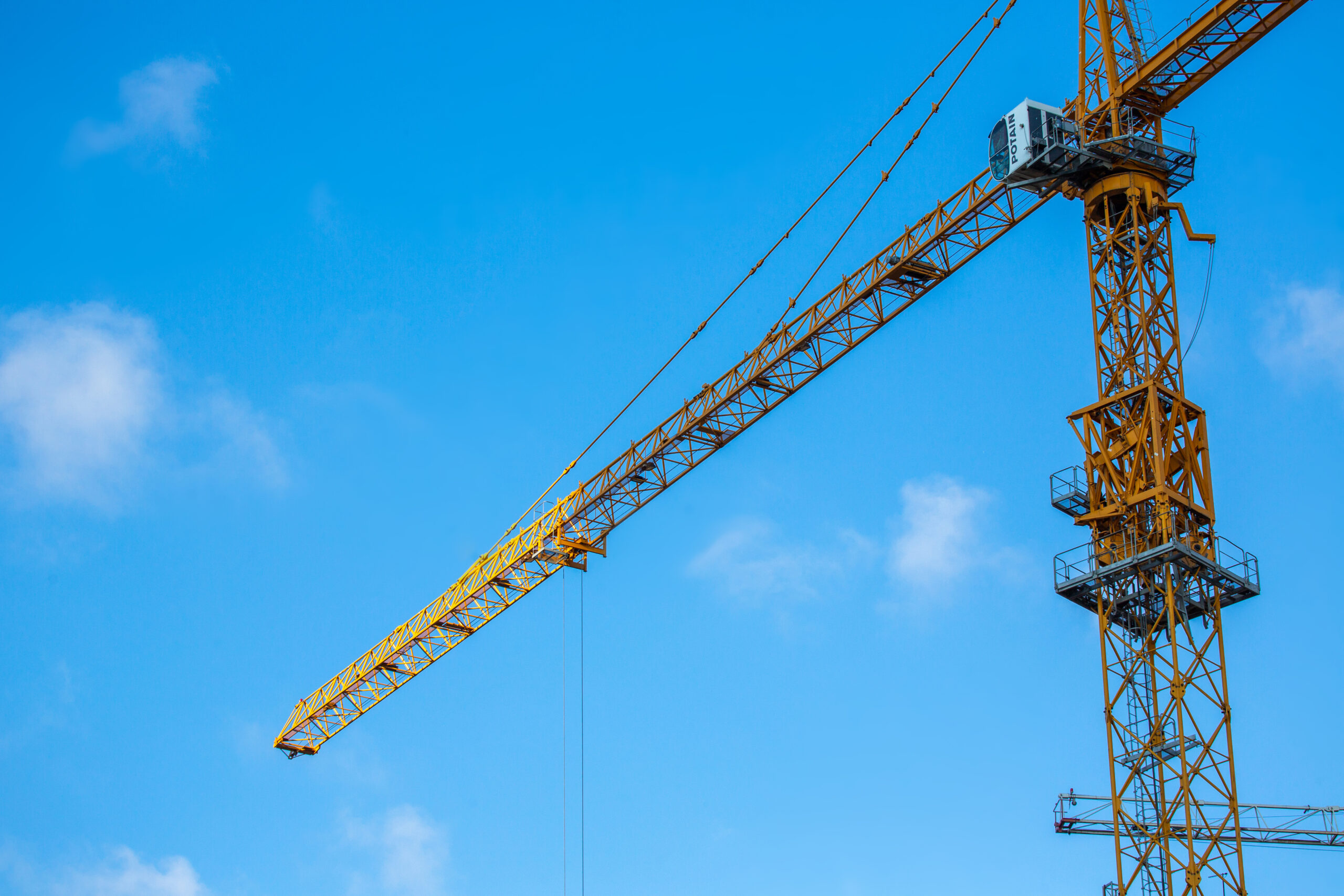
Hoist ropes are among the most critical components in tower crane operations because they directly control lifting and lowering of loads. OHSR 14.91 outlines hoist rope requirements for ensuring these ropes remain in safe working condition throughout their service life. The regulation emphasizes inspection, maintenance, and timely replacement to prevent failures that could lead to serious operational hazards. Hoist rope safety is closely linked to overall crane performance, load stability, and site safety. When ropes are properly managed, they support smooth lifting operations and reduce the risk of unexpected breakdowns. Understanding these requirements helps operators, engineers, and site managers maintain compliance while ensuring safe and efficient crane use in demanding construction environments.
Key Requirements of OHSR 14.91
OHSR 14.9-1 sets out the essential safety and maintenance expectations for hoist ropes used in tower crane operations. The regulation focuses on ensuring ropes remain fit for purpose throughout their working life by defining inspection, maintenance, and replacement standards. It also addresses how rope condition directly affects safe lifting performance and overall crane stability.
Scope of hoist rope requirements under crane operations
The scope of the regulation applies to all hoist ropes used for lifting and lowering loads in crane systems. It covers ropes in active service as well as those undergoing inspection or maintenance. The requirements extend to installation, daily use, periodic evaluation, and eventual removal from service when safety limits are reached.
Importance of maintaining ropes in safe operating condition
Maintaining hoist ropes in safe condition is critical because they carry the full load during lifting operations. Any deterioration can affect load control, increase operational risk, and compromise site safety. Regular inspection and maintenance help ensure ropes perform reliably under varying working conditions.
Relationship between OHSR requirements and manufacturer specifications
OHSR requirements work alongside manufacturer guidelines to ensure consistent safety standards. While regulations set minimum legal expectations, manufacturers provide technical limits and operational instructions. Both must be followed together to maintain compliance and safe crane performance.
What Is a Hoist Rope?
A hoist rope is a critical lifting component in a tower crane that is responsible for raising and lowering loads during operation. It is designed to carry high tensile forces while maintaining controlled movement of materials at different heights on a construction site. Without it, safe vertical transportation of heavy loads would not be possible in modern crane systems.
Hoist ropes support lifting and lowering operations by transmitting force between the hoist drum and the load hook. As the drum rotates, the rope winds or unwinds in a controlled manner, allowing precise load positioning. This controlled movement helps maintain stability and reduces swinging or sudden shifts during lifting tasks.
Most hoist ropes are made from high strength steel wire strands that are twisted together to form a flexible yet durable cable. These constructions are designed to resist wear, fatigue, and heavy loading conditions. Different rope designs may be used depending on crane type, duty cycle, and manufacturer specifications.
Hoist ropes differ from other crane wire ropes because they are specifically responsible for vertical load handling. Other ropes may be used for trolley movement or slewing functions, but hoist ropes carry the primary lifting load, making them the most safety-critical in the system.
Why Hoist Rope Safety Is Critical
Hoist rope safety is one of the most important aspects of tower crane operation because the rope directly supports the load during lifting activities. Any failure in the rope can lead to immediate and uncontrolled load drop, creating serious consequences on site. Such incidents often result in equipment damage, project delays, and major safety emergencies.
When a hoist rope is compromised, load stability is affected instantly. The crane loses precise control over lifting and lowering movements, which can cause swinging, sudden shifts, or complete loss of load control. This instability increases operational risk and makes safe handling impossible until the issue is resolved.
The risks extend beyond equipment performance and can impact workers, nearby structures, and other machinery operating in the same area. Falling loads or uncontrolled movements can cause severe injury or structural damage. Because of this, selecting the correct rope type and ensuring proper maintenance are essential parts of safe crane operation.
Regular inspection, correct installation, and timely replacement help prevent unexpected failures. Proper rope care ensures consistent performance, reduces downtime, and supports safe lifting operations throughout the crane’s working life on construction sites.
Inspection Requirements Under OHSR 14.91
OHSR 14.9-1 requires hoist ropes to be checked visually every day before crane operations begin. Operators and site supervisors look for obvious defects such as broken strands, surface wear, or irregular rope movement along the drum and sheaves. These quick checks help identify early warning signs before lifting work starts.
Periodic detailed inspections by qualified personnel
In addition to daily checks, qualified inspectors must carry out more detailed examinations at scheduled intervals. These inspections involve closer evaluation of rope condition using proper tools and methods. The goal is to assess internal wear that may not be visible during routine checks and confirm continued safe operation.
Checking for broken wires, corrosion, and deformation
Inspection routines focus on identifying broken wires, rust development, and any signs of deformation such as kinking or flattening. These issues can weaken rope strength and affect lifting performance if not addressed promptly.
Monitoring rope diameter reduction and wear patterns
Rope diameter is monitored over time to detect gradual reduction caused by wear. Uneven wear patterns may indicate alignment issues with drums or sheaves, which require corrective action to prevent further damage.
Documentation and recordkeeping requirements for inspections
All inspection findings must be recorded clearly and stored in site documentation. These records support compliance, track rope condition over time, and provide evidence for safe operational decision making.
Common Signs of Hoist Rope Deterioration
Hoist ropes naturally wear over time due to continuous loading, movement, and exposure to site conditions. Identifying early signs of deterioration is essential for preventing sudden failure and maintaining safe crane operations. Regular inspection helps detect issues before they develop into serious hazards that affect lifting performance.
Broken strands and wire fatigue
Broken wires are one of the most common indicators of rope deterioration. They often appear due to repeated bending and tension cycles, which gradually weaken the rope structure. Wire fatigue reduces overall strength and increases the risk of sudden failure during lifting tasks.
Crushing, bird-caging, and kinking damage
Physical deformation such as crushing, bird-caging, or kinking occurs when ropes are overloaded, improperly stored, or poorly handled. These conditions distort the rope structure and reduce its ability to distribute load evenly.
Corrosion caused by environmental exposure
Exposure to moisture, chemicals, or coastal environments can lead to corrosion. Rust weakens individual wires and accelerates internal degradation, especially when lubrication is insufficient.
Heat damage and lubrication breakdown
Excessive heat or friction can damage lubrication layers within the rope. This leads to increased internal wear and reduced flexibility over time.
Uneven wear from improper reeving or drum alignment
Incorrect re-leveling or misaligned drums cause uneven stress distribution. This results in localized wear patterns that shorten rope lifespan and affect safe operation.
Hoist Rope Installation Requirements
Hoist rope installation requires strict attention to detail because the correct setup directly affects crane safety and performance. Proper reeving procedures must be followed to ensure the rope is routed correctly through all sheaves and components. Incorrect reeving can create uneven load distribution, increased wear, and reduced lifting efficiency.
Correct rope tension and drum winding practices are also essential during installation. The rope must be spooled evenly on the drum without overlaps or gaps, as improper winding can lead to crushing or distortion during operation. Maintaining consistent tension helps preserve rope structure and supports smooth lifting movements.
Following manufacturer specifications is critical throughout the installation process. These guidelines define acceptable rope types, tension limits, and installation methods that match the crane’s design requirements. Any deviation can compromise system safety and operational reliability.
Anchorage points and fastening systems must be carefully verified to ensure secure attachment and correct load transfer. Weak or incorrectly installed anchors can lead to failure under load. At the same time, improper handling during installation should be avoided, including bending, dragging, or twisting the rope, as these actions can introduce hidden damage before the crane even enters service.
Maintenance and Lubrication Standards
Proper maintenance and lubrication play a key role in extending the service life of hoist ropes and ensuring safe crane operation. Lubrication reduces internal friction between wires and strands, allowing the rope to flex smoothly during lifting and lowering cycles. It also helps protect against corrosion by creating a barrier against moisture and environmental exposure.
Maintenance schedules must be followed at defined intervals based on crane usage, duty cycle, and site conditions. High-intensity operations may require more frequent inspection and reapplication of lubricant, while lighter use still requires consistent monitoring. Regular checks help confirm that lubrication remains effective and that early signs of wear are identified before they develop into serious defects.
Cleaning and preservation are especially important in harsh environments such as coastal or industrial sites where salt, dust, and chemicals are present. Removing contaminants helps prevent abrasive wear that can shorten rope life. At the same time, moisture control is necessary to reduce the risk of internal corrosion.
Proper lubrication control ensures the rope receives adequate protection without excessive buildup that could attract debris. This approach supports consistent performance, reduces wear, and helps maintain safe lifting conditions throughout the rope’s operational life.
Hoist Rope Replacement Criteria
Hoist rope replacement is necessary when inspection results show that the rope can no longer operate safely under working conditions. Immediate replacement is required when severe damage is detected, including multiple broken wires in one lay length, visible crushing, or significant structural deformation. Any signs of uncontrolled wear that affect lifting stability also indicate that the rope should be removed from service without delay.
Replacement decisions are also guided by measurable limits such as broken wire counts and reductions in rope diameter. When diameter loss exceeds manufacturer or regulatory thresholds, the rope strength is considered compromised. These limits ensure that hidden internal wear does not lead to unexpected failure during lifting operations.
Ropes must also be replaced after shock loading or overload events, even if visible damage appears minimal. These incidents can weaken internal structure in ways that are not immediately visible during inspection. Replacing ropes before critical failure is essential for maintaining safe crane operations and avoiding sudden breakdowns on site. Damaged ropes must be disposed of in accordance with safety and environmental procedures to prevent reuse or unsafe handling.
Factors That Affect Hoist Rope Lifespan
The lifespan of a hoist rope is influenced by several operational and environmental conditions that gradually affect its strength and flexibility. One of the most important factors is the frequency and intensity of crane use, since continuous lifting cycles increase bending stress and accelerate fatigue over time. Heavy duty operations place greater strain on the rope compared to occasional lifting tasks.
Environmental conditions also play a major role in rope deterioration. Exposure to moisture, salt, and industrial chemicals can lead to corrosion, which weakens individual wires and reduces overall durability. Harsh environments require more frequent inspection and maintenance to manage this risk effectively.
Operator handling and lifting practices significantly affect rope performance. Smooth, controlled movements help reduce unnecessary stress, while abrupt actions can increase wear. The condition of drums and sheaves also contributes to rope lifespan, as worn or misaligned components create uneven contact and friction. Improper loading techniques and side pulling place additional strain on the rope, leading to uneven wear patterns and reduced service life.
Best Practices for OHSR 14.91 Compliance
Maintaining compliance with OHSR 14.91 requires a structured approach that combines routine inspections, proper training, and consistent documentation. Establishing clear inspection schedules ensures that hoist ropes are checked regularly under both daily and periodic inspection routines. This helps identify wear and damage early, reducing the risk of unexpected failure during crane operations.
Operator training is equally important, as it equips personnel with the ability to recognize early warning signs such as broken wires, corrosion, or unusual rope behavior. When operators understand these indicators, potential issues can be reported before they become critical.
Keeping detailed rope maintenance records supports traceability and provides evidence of compliance during audits or inspections. These records also help track wear trends over time and guide replacement decisions.
Only approved replacement ropes should be used to ensure compatibility with crane specifications and safety standards. Integrating rope inspections into broader crane safety programs creates a more complete approach to risk management, ensuring hoist rope condition is continuously monitored as part of overall operational safety.
Conclusion
OHSR 14.91 emphasizes the importance of maintaining hoist ropes in safe working condition to prevent failures during lifting operations. Proper inspection, installation, maintenance, and timely replacement all work together to ensure rope reliability throughout a crane’s operational life. When hoist ropes are carefully monitored for wear, corrosion, and deformation, the risk of sudden failure is significantly reduced. Compliance with inspection schedules and manufacturer specifications also strengthens overall crane safety and performance. By integrating rope management into daily operations and safety programs, construction teams can improve load stability, protect workers, and extend equipment lifespan while maintaining consistent operational control on site.