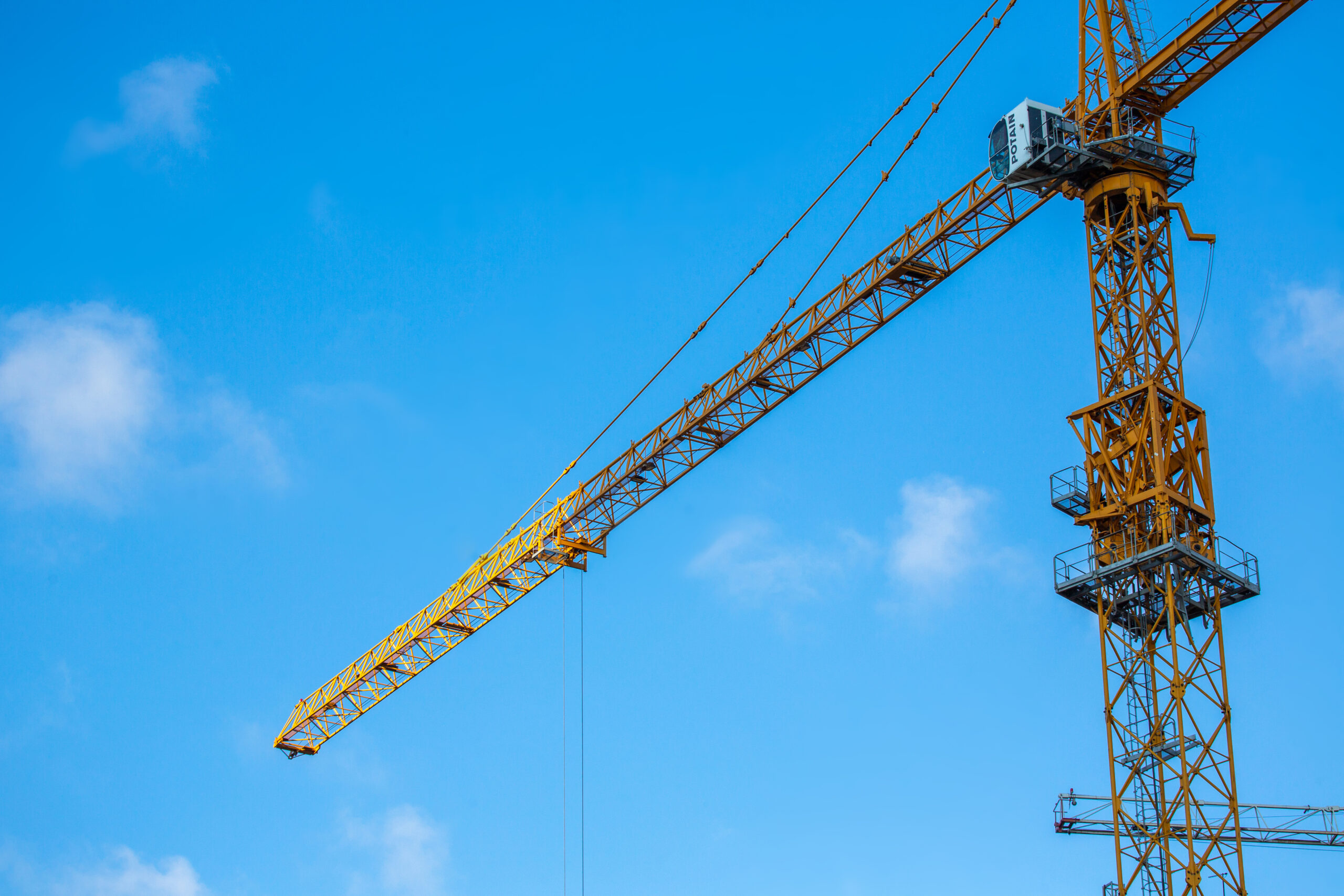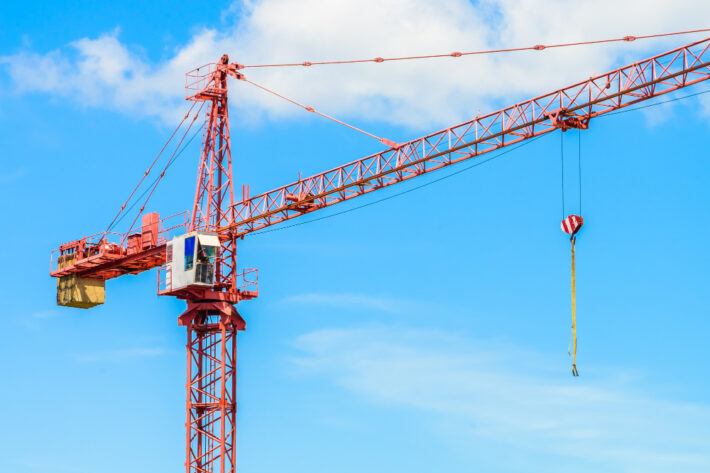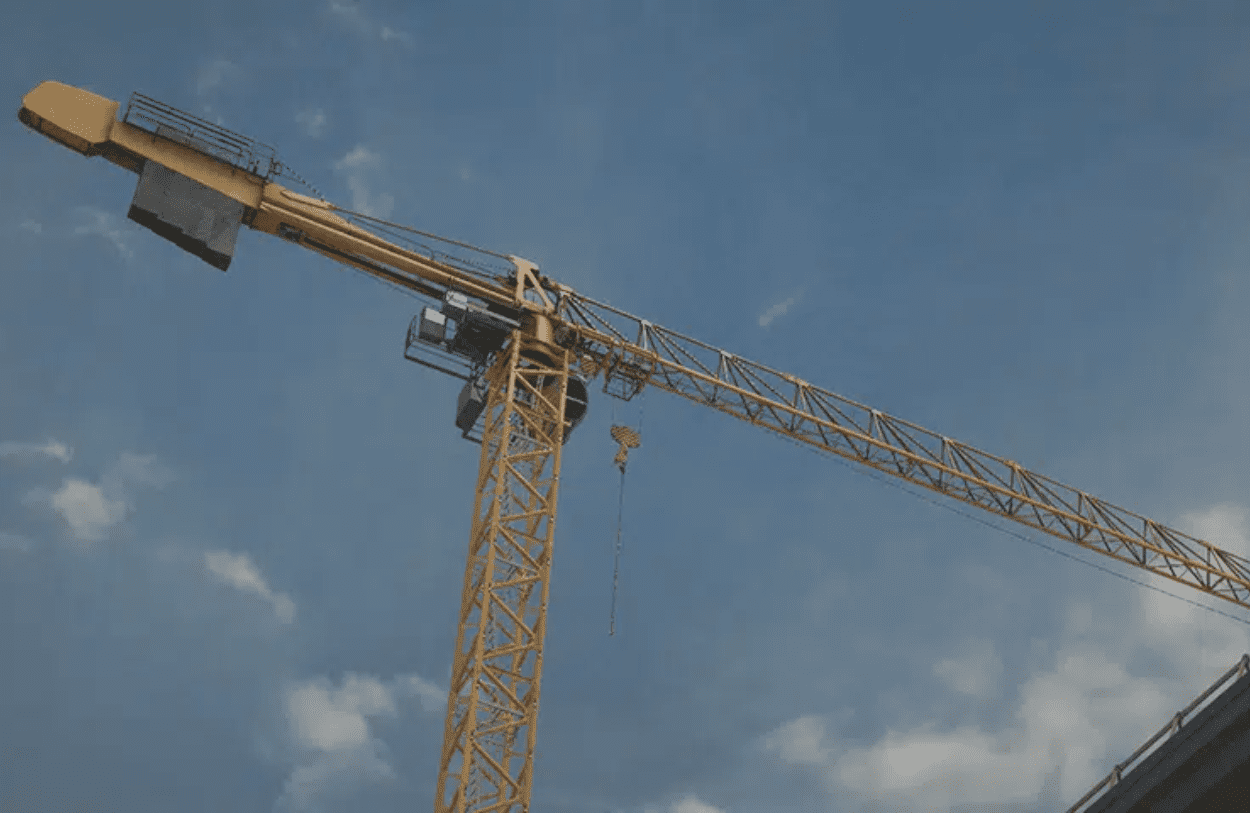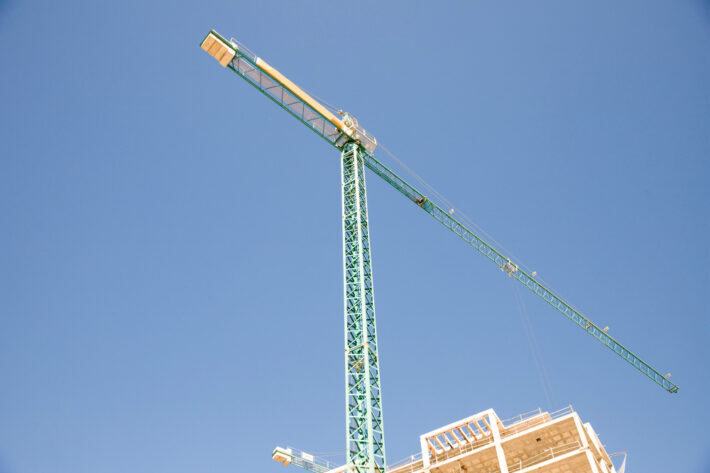
Tower cranes often operate in crowded construction environments where multiple cranes, nearby structures, and energized power lines create serious operational risks. OHSR 14.84.1 addresses these challenges through zoning & anti-collision requirements designed to prevent unintended crane interference and unsafe movement. These systems help define operating boundaries, control crane interaction, and improve coordination on busy sites where overlapping working ranges are common. Compliance involves careful planning, system testing, documentation, and operator awareness throughout the project lifecycle. Proper implementation reduces the likelihood of contact incidents, improves site organization, and supports safer lifting operations. Understanding how zoning and anti collision systems function is important for contractors, engineers, crane operators, and project managers working on complex construction projects.
Key Requirements of OHSR 14.84.1
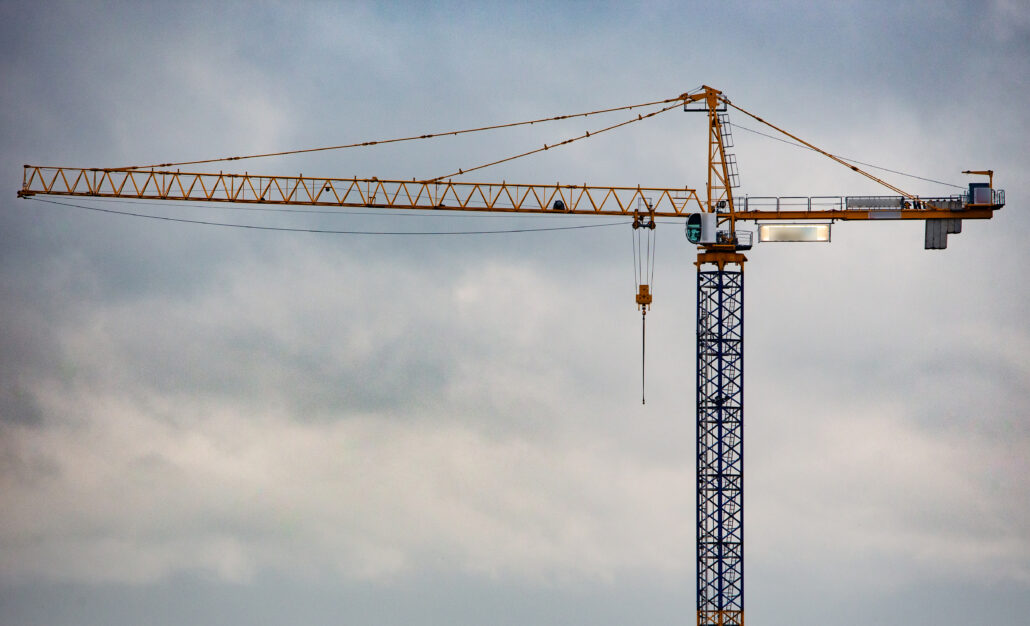
OHSR 14.84.1 applies when tower cranes operate close enough to create collision risks with other cranes, structures, or nearby hazards such as energized power lines. In these situations, zoning and anti-collision systems become mandatory because normal operator visibility and coordination may no longer provide enough protection on their own. The regulation focuses on preventing unintended crane interference before it develops into a dangerous operational event.
Cranes working within overlapping swing paths or restricted site boundaries must operate under clearly defined movement controls and monitored operating limits. These systems help prevent contact between jibs, counterjibs, loads, and surrounding structures during lifting operations. Compliance also depends heavily on proper documentation, system testing, and approval procedures. Site plans, operating instructions, inspection records, and configuration details must be maintained and available for review. Daily verification procedures help confirm that alarms, sensors, and movement restrictions continue functioning correctly throughout the project lifecycle.
What Is a Crane Zoning System?
A crane zoning system is a control setup designed to restrict tower crane movement within predefined operating boundaries. These systems are commonly used on congested construction sites where cranes work near buildings, power lines, restricted airspace, or other cranes. The purpose is to stop the crane from entering areas that could create collision risks or unsafe lifting conditions.
Zoning systems work by establishing virtual limits for slewing, trolley travel, hook height, or working radius. Once these limits are programmed into the system, the crane automatically slows, warns the operator, or prevents further movement when restricted zones are approached. This creates an additional layer of operational control beyond operator judgment alone.
Construction teams use zoning systems to improve coordination between cranes and nearby hazards while maintaining safe operating separation. Proper setup, calibration, and testing are important because inaccurate zoning limits can create serious safety and compliance concerns during lifting operations.
What Is an Anti-Collision System?
An anti-collision system is a safety technology designed to prevent tower cranes from coming into contact with other cranes, structures, or restricted operating zones. These systems are commonly installed on projects where multiple cranes operate within overlapping working areas and the risk of interference becomes difficult to manage through visual coordination alone.
The system uses sensors, positioning data, and programmed operating limits to monitor crane movement in real time. When cranes move too close to one another or approach restricted boundaries, the system provides warnings to operators and may automatically slow or stop specific crane functions. This helps reduce the likelihood of accidental contact during lifting operations.
Anti-collision systems improve coordination on busy construction sites where several cranes may be rotating, lifting, or traveling simultaneously. Proper calibration, testing, and operator understanding remain important because the system supports safe operations but does not replace communication, planning, or careful crane operation procedures on site.
Why OHSR 14.84.1 Matters on Construction Sites
OHSR 14.84.1 carries real weight on construction sites because it deals with situations where tower cranes share tight working spaces and movement becomes harder to control. In busy projects, cranes often operate close enough that even small errors in coordination can lead to serious incidents. The standard focuses on reducing those risks through structured zoning and anti-collision control measures.
Risks associated with overlapping crane operating ranges
When crane swing paths overlap, operators can lose clear separation between machines. Loads, jibs, and counterjibs may enter shared airspace, increasing the chance of unintended contact during rotation or trolley movement. These conditions become even more sensitive when visibility is limited or communication delays occur between teams.
Potential consequences of crane-to-crane collisions
A direct collision between cranes can cause structural damage, load drops, and sudden operational shutdowns. Beyond equipment loss, there is also a high risk of injury to workers on the ground or in nearby structures. Even minor contact can trigger inspections, delays, and costly repair work.
Hazards created by nearby structures and energized power lines
Crane operations near buildings or power lines introduce additional risks such as electrical contact, restricted swing clearance, and accidental impact with fixed structures. These hazards require constant monitoring and strict movement control.
Importance of proactive collision prevention in high-density projects
High-density sites depend on early planning and controlled crane movement to prevent interference before it happens. Reactive responses are often too late once equipment is already in motion.
How zoning improves operational coordination and site safety
Zoning creates clear operating boundaries that help coordinate crane movement across the site. It reduces confusion, improves communication between operators, and supports safer, more predictable lifting operations in complex environments.
Documentation Requirements Under OHSR 14.84.1
Documentation under OHSR 14.84.1 plays a central role in proving that zoning and anti collision systems are properly installed, tested, and maintained throughout crane operations. On busy construction sites, written records often carry as much importance as the systems themselves because they show how safety controls are being managed in real working conditions.
Requirement for system manuals and operational procedures
Every site must keep system manuals and clear operational procedures that explain how zoning and anti-collision systems function. These documents guide operators and supervisors on correct use, limitations, and emergency responses during lifting activities.
Daily testing instructions and maintainance records
Daily testing procedures must be documented to confirm that alarms, sensors, and movement restrictions are working correctly. Maintenance records also track system performance over time, helping identify faults or calibration issues before they become operational risks.
Site plans showing power lines and restricted zones
Accurate site drawings are required to show crane operating areas, exclusion zones, and nearby hazards such as power lines or structures. These plans help coordinate safe movement and prevent unintended entry into dangerous zones.
Documentation of system setup and configuration
Records of system installation, configuration settings, and calibration values must be maintained so that any adjustments can be verified and traced during inspections.
Importance of keeping records accessible in the crane binder
All documentation must be kept organized and easily accessible in the crane binder, allowing engineers, inspectors, and supervisors to confirm compliance without delay during audits or site reviews.
Non-OEM Zoning and Anti-Collision Systems
Non-OEM zoning and anti collision systems refer to safety technologies that are not supplied by the original crane manufacturer but are installed as aftermarket solutions. These systems are often introduced to improve functionality, meet project requirements, or upgrade older cranes that did not originally include advanced collision control features. While they can be effective, they require careful evaluation before approval on-site.
Additional approval is usually required from professional engineers or the original equipment manufacturer. This step confirms that the system will not interfere with crane controls, load calculations, or structural safety limits. Compatibility checks remain important since even small mismatches in software or sensor calibration can affect crane performance and safety response across overlapping operating zones.
Unapproved or poorly integrated aftermarket systems carry risks such as incorrect zoning limits, unreliable sensor feedback, or system failure during critical operations. For this reason, detailed documentation is required to support any alternative technology used on site. This includes installation records, testing results, engineering approvals, and verification reports that confirm the system meets operational and safety expectations before use.
Daily Testing and Inspection Procedures
Daily testing and inspection procedures play an important role in keeping zoning and anti-collision systems reliable throughout crane operations. Each working day begins with routine checks that confirm the system is functioning correctly before any lifting activities start. This early verification helps prevent unexpected failures during active site operations where multiple cranes may be working in close proximity.
Testing involves checking alarms, sensors, and programmed operational limits to confirm they respond accurately when movement approaches restricted zones. Operators and site supervisors review system feedback to ensure warning signals activate at the correct distances and that automatic control responses are functioning as intended. Communication between overlapping crane systems is also tested to confirm that all cranes are correctly sharing position data and movement information.
All test results are recorded carefully, along with any corrective actions taken if issues are identified. These records help track system performance over time and provide evidence of compliance during inspections or audits. Beyond technical checks, operator awareness is equally important. Training and brief briefings ensure that operators understand how the system behaves under different conditions, including its limitations. This helps reduce misuse, improves coordination, and supports safer decision-making during complex lifting operations on-site.
Site Planning and Pre-Assembly Coordination
Site planning and pre-assembly coordination set the foundation for safe use of zoning and anti-collision systems on complex construction projects. Before any crane is installed, teams must carefully review how different cranes will interact within the same working area. This includes mapping out overlap zones where swing paths, load travel, and jib rotation could intersect during operation. Early identification of these areas helps prevent unsafe proximity once cranes are fully erected.
Project planning also involves identifying nearby hazards that may affect crane movement. These can include buildings, power lines, temporary structures, or restricted access areas. Site drawings are used to define safe operating boundaries that guide how far each crane can move without entry into dangerous or restricted zones. These visual plans help ensure all teams work from the same operational understanding.
Coordination between engineers, crane crews, and project managers is essential during this stage. Each group contributes technical knowledge, operational experience, and site-specific constraints that influence final zoning decisions. Pre-assembly meetings provide an opportunity to review all zoning documentation, confirm system requirements, and address potential conflicts before work begins. This shared planning process reduces uncertainty on site and supports smoother installation and safer crane operations throughout the project lifecycle.
Common Compliance Challenges
Compliance with OHSR 14.84.1 can become difficult on active construction sites where multiple teams are working under time pressure and changing site conditions. Even when zoning and anti-collision systems are installed, weak administrative control or poor coordination can reduce their effectiveness and create safety gaps that are hard to detect in real time.
Poor documentation management on active projects
One common issue is incomplete or poorly maintained documentation. Missing records for system setup, testing, or inspections make it difficult to confirm whether safety procedures have been properly followed during audits or site reviews.
Failure to update site plans as conditions change
Construction sites evolve quickly, and layouts often change as new structures are added. When site plans are not updated, zoning boundaries may no longer reflect real hazards, increasing the risk of unsafe crane movement.
Improper calibration or setup of anti-collision systems
Incorrect calibration can lead to inaccurate warnings or failure to detect proximity risks. This reduces system reliability and can create false confidence during lifting operations.
Inadequate operator training on system functionality
Operators who do not fully understand system behaviour may misinterpret alarms or bypass safety limits unintentionally, affecting coordination on site.
Delays in testing or inspection procedures
When testing is postponed or rushed, faults may go unnoticed, leaving the system partially unreliable during critical operations.
Safety Benefits of Proper Zoning and Anti-Collision Systems
Proper implementation of zoning and anti collision systems delivers significant safety improvements on complex construction sites where multiple cranes operate within close proximity. These systems introduce structured control over crane movement, reducing uncertainty and improving overall coordination across all lifting activities.
Reduced risk of crane contact incidents
One of the most important benefits is the reduction of direct crane to crane contact. By limiting overlap and controlling movement boundaries, the system helps prevent accidental collisions between jibs, loads, and structural components.
Improved coordination on congested construction sites
Zoning improves communication between operators by clearly defining operating areas for each crane. This reduces confusion in busy environments where multiple lifting operations occur at the same time.
Better protection around power lines and restricted zones
Defined exclusion areas help prevent cranes from entering dangerous zones near energized power lines or sensitive site structures, reducing the risk of serious safety incidents.
Increased operational confidence during multi crane lifts
Operators can carry out complex lifts with greater confidence, knowing that automated safeguards are monitoring movement and providing warnings when necessary.
Stronger overall site safety performance
When combined, these systems contribute to safer working environments, fewer interruptions, and more predictable crane operations across the entire project site.
Conclusion
OHSR 14.84.1 zoning and anti-collision requirements play a critical role in improving safety on complex construction sites where multiple cranes operate within shared spaces. Proper implementation helps prevent crane contact incidents, reduces operational confusion, and strengthens coordination between teams working in close proximity. When supported by accurate documentation, routine testing, and well-planned site layouts, these systems create more controlled and predictable lifting environments. Compliance also ensures that hazards such as power lines and restricted zones are properly managed. Overall, effective zoning and collision control transform high-risk crane operations into structured and safer workflows across demanding construction projects.