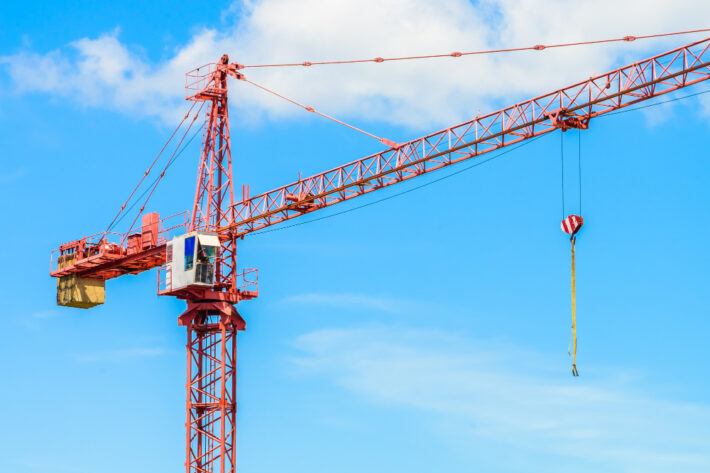
Preventive tower crane maintenance sits at the center of safe and reliable lifting operations on construction sites, where equipment performance directly affects both people and progress. Every crane in service depends on regular checks, planned servicing, and careful observation of wear patterns that develop slowly over time. When these routines are followed consistently, equipment tends to remain stable, predictable, and easier to manage during demanding site work.
Responsibility for this system does not rest on a single group. Owners set the direction, employers organize the framework, operators handle daily checks, and maintenance teams carry out detailed servicing and repairs. Each role connects to the next, forming a chain where gaps can quickly lead to risk or downtime.
A structured maintenance and inspection system brings order to this work, especially when aligned with regulatory expectations and established standards. Clear records, scheduled inspection, and disciplined reporting help keep operations steady and support safer decision-making on site.
What Is Preventive Maintenance
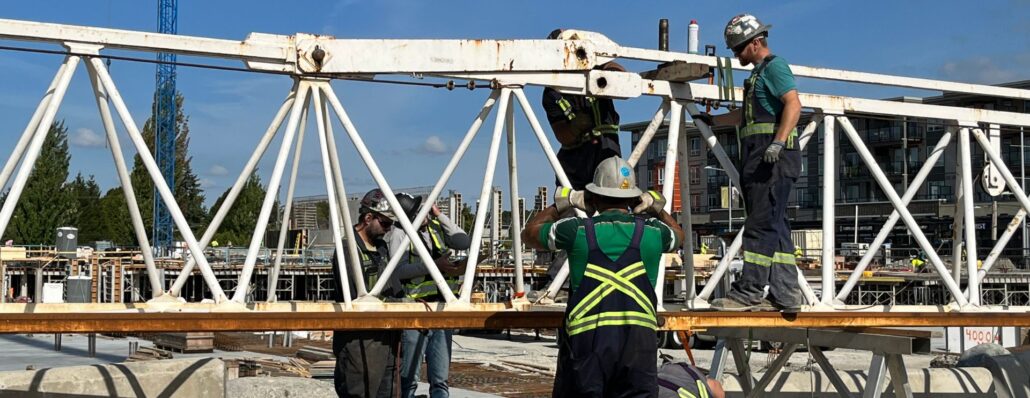
Preventive maintenance in tower crane operations refers to planned and structured servicing carried out before faults develop into failures. Instead of reacting to breakdowns, the focus stays on anticipating wear, identifying early signs of damage, and keeping every system within safe working condition. This approach supports steady performance and reduces unexpected interruptions during lifting work on site.
Guidance from original equipment manufacturers shapes how each crane should be maintained, since every model has specific limits, service intervals, and approved procedures. Regulatory requirements and engineering best practices add another layer, setting expectations for safety, inspection frequency, and record keeping across different jurisdictions and work environments.
Common examples include lubrication and fluid servicing that keep moving parts operating smoothly, structural fastener checks that confirm stability in loaded connections, and servicing of hydraulic, electrical, and control systems that support safe operation. More detailed work includes non-destructive testing and planned replacement cycles for worn components that cannot reliably recover through repair.
Why Preventive Maintenance Matters
Preventive maintenance carries real weight in tower crane operations because it directly influences safety, reliability, and the overall rhythm of work on site. A crane rarely fails without warning, and most serious incidents trace back to issues that developed slowly and were not addressed in time.
Role in preventing tower crane accidents and failures
Regular maintenance reduces the chance of sudden breakdowns that can lead to dropped loads, loss of control, or structural stress. Many failures start small, often in areas like brakes, wire ropes, or electrical systems, and grow when they are not corrected early.
Identifying hazard before incidents occur
Routine inspection helps reveal worn parts, loose connections, and early corrosion. These signs give maintenance teams time to act before a condition becomes dangerous.
Ensuring crane remain safe to operate
A well-maintained crane performs within its intended limit. Operators can work with greater confidence knowing key systems are functioning as designed.
Reducing downtime and repair cost
Planned servicing avoids emergency repairs that take cranes out of service for long periods and often cost more due to rushed intervention.
Supporting legal and regulatory due diligence
Proper records and consistent maintenance demonstrate responsibility, showing that safety obligations have been taken seriously over time.
Regulatory Framework and Standards
Tower crane maintenance operates within a strict regulatory and standards framework that shapes how inspection, repair, and documentation are carried out across sites. These rules are not optional guidance. They define the minimum expectations for safe operation and long-term equipment control.
The OHS sets requirements for inspection frequency, equipment condition, and record keeping. It also outlines the duty of the employer to maintain machinery in a condition that supports safe operation throughout its service life.
Key CSA standards
- CSA Z150 provides requirements for mobile cranes, covering inspection practices, operational safety, and maintenance expectations.
- CSA Z248 focuses on tower cranes, detailing structural checks, inspection cycles, and system performance requirements that guide maintenance planning.
The ASME B30 series adds another layer of international guidance, covering lifting equipment design, inspection, and operational safety practices that align closely with North American industry expectations.
Engineering oversight supports annual inspections, certification process, and verification of structural integrity, especially during major repairs or rebuild. Following these standards ensures consistency, supports safety decisions, and provides a defensible record of maintenance activity when reviewed by regulators or third parties.
Inspection Types and Frequencies
Tower crane maintenance depends heavily on structured inspection routines carried out at different time intervals. Each level of inspection serves a different purpose, yet all work together to keep equipment in safe and stable condition throughout its service life.
Frequent Inspection
Pre-use checks happen before operation begins each day, focusing on visible condition and basic function. Daily and weekly inspections add another layer of attention, especially during active lifting periods, while monthly checks offer a more detailed review of wear and early faults. These inspections often concentrate on wire ropes showing broken strands or corrosion, hydraulic systems that may develop leak, safety devices such as limit switches and load indicators, and structural bolts or connections that can loosen under repeated load cycles. Small issues caught at this stage often prevent larger mechanical failures later.
Periodic and Annual Inspection
Periodic inspections follow longer cycles that can extend from monthly to ten-year intervals depending on crane usage and classification. These inspections often require partial or full disassembly to expose hidden wear points. Non-destructive testing is applied to detect internal flaws in steel components, while mechanical, structural, and electrical systems undergo detailed evaluation. Tower crane requirements guided by BC Crane Safety place strong emphasis on slewing systems, load handling assemblies, and safety devices, ensuring each major component is verified before continued service.
Core Elements of a Preventive Maintenance Program
A structured tower crane maintenance program depends on clear system design that defines how every crane is monitored, serviced, and reviewed throughout its working life. This structure brings order to inspections, repairs, and scheduled servicing so that nothing is left to chance or informal decision-making. When the system is well planned, each activity links back to a defined purpose, whether it relates to safety checks, performance monitoring, or component replacement.
Continuous improvement shapes how the program develops over time. The Plan–Do–Check–Act cycle supports this by allowing teams to plan maintenance activities, carry them out in real working conditions, review the results, and adjust procedures where gaps appear. This approach helps maintenance teams respond to real equipment behavior rather than relying only on fixed assumptions or past routines.
Original equipment manufacturer instructions and regulatory expectations form the foundation of all maintenance decisions. OEM manuals provide detailed technical guidance, while regulations define the minimum safety requirements that must be met. Inspection and repair systems also need to work together closely, so that findings from inspections lead directly to corrective actions. This connection helps tower crane maintenance remain consistent, traceable, and dependable across different stages of service life.
Roles and Responsibilities
A tower crane maintenance system only works well when responsibilities are clearly shared and consistently followed. Each group involved in the crane’s life on-site plays a specific part, and the quality of coordination between them often decides how safe and reliable the equipment remains over time.
Crane Owners and Employers
Crane owners and employers set the foundation of tower crane maintenance by creating structured systems that guide inspection and servicing activities. Responsibility includes assigning qualified personnel to oversee maintenance activities and ensuring accountability across all levels. Keeping complete equipment records is a key componente, covering inspections, repairs, and modifications so the crane’s history remains traceable and transparent throughout its working life.
Maintenance Supervisors
Maintenance supervisors manage the practical execution of tower crane maintenance activities on the ground. Their role involves confirming that technicians are properly trained and capable of handling assigned tasks. Oversight of inspections, repairs, and documentation forms a large part of their daily work. They also track every modification and repair carried out, ensuring accurate records are maintained for future reference and compliance checks.
Operators and Site Supervisors
Operators carry out daily inspections before use, checking visible components and basic functions. Any defect noticed is reported immediately so corrective action can be taken without delay. Site supervisors support this process by reinforcing safe working practices and ensuring equipment is only used under acceptable conditions that do not put workers or operations at risk.
Equipment Logbooks and Recordkeeping
Accurate documentation plays a central role in tower crane maintenance because it creates a clear history of how each machine has been inspected, serviced, and repaired over time. A well kept logbook allows teams to track patterns of wear and confirm that required actions have been completed at the right intervals.
Logbooks normally include daily, monthly, and annual inspection records, along with detailed maintenance and repair entries that describe work carried out on specific components. Operator certifications and inspection reports are also recorded to confirm competency and routine checks.
These records support compliance and become important references during audits or investigations. BC Crane Safety guidance reinforces the need for complete, consistent, and accessible documentation across all tower crane operations.
Major Crane Systems Covered in Maintenance
Tower crane maintenance covers several interconnected systems, each requiring attention at different stages of service life. When these systems are reviewed together, they provide a full picture of how the crane is performing under real working conditions.
- Structural systems
Mast sections, boom structures, foundations, and slewing rings carry the main loads and must be checked for fatigue, deformation, and connection integrity.
- Mechanical systems
Gearboxes, brakes, and winches manage movement and load control, making wear patterns, lubrication levels, and braking response key inspection points.
- Electrical and control systems
Load moment indicators, limit switches, and zoning systems support safe operation by controlling movement limits and warning functions.
- Lifting components
Hooks, wire ropes, and blocks experience constant stress and require frequent inspection for wear, corrosion, and deformation.
- Temporary and auxiliary devices
Items such as access platforms, lighting, and safety attachments must remain secure and functional without interfering with crane operation.
Training and Competency Requirements
Training and competency play a direct role in the quality of tower crane maintenance, since even small inspection errors can lead to missed defects or delayed repairs. OEM training provides detailed instruction on how each crane model should be serviced, inspected, and operated, based on manufacturer knowledge of system limits and design behaviour.
Internal training programs help reinforce this knowledge through regular skill development, site specific procedures, and refresher sessions that keep maintenance teams aligned with actual working conditions. OHSR requirements place responsibility on employers to make sure workers are properly trained and competent for the tasks they perform.
Strong focus on inspection accuracy, clear reporting, and disciplined maintenance practices help reduce uncertainty and support safer long-term crane operation.
Annual Inspection and Certification
Annual inspection and certification form a formal checkpoint in tower crane maintenance, where the overall condition of the crane is assessed in detail by qualified engineering professionals. These inspections are planned in advance to allow proper access, testing, and coordination of any required disassembly or site preparation.
The process covers structural, mechanical, and control systems, including load-bearing components, moving assemblies, and safety devices that influence operational performance. Each area is reviewed against the expected design function and the current condition.
Once inspections and any necessary corrective actions are completed, a “safe for use” certification is issued. This confirms that the crane meets required standards for continued operation. Engineers and Geoscientists BC guidance supports this process through defined procedures, documentation requirements, and verification practices.
Preventive Maintenance Tools and Resources
Preventive maintenance tools and resources support consistent tower crane maintenance practices across different sites and working conditions. Checklists and inspection tools help technicians follow structured steps during daily, weekly, and periodic inspections, reducing the chance of missed defects or incomplete checks.
Toolbox talks and field guides provide practical, site-based reminders that reinforce safe working habits and clear communication among crews. These resources help translate technical requirements into actions that can be applied during real operations.
BC Crane Safety materials offer additional support through guidance documents, checklists, and reference tools designed to align maintenance activities with regulatory expectations. When used together, these resources strengthen workplace culture by encouraging discipline, shared responsibility, and consistent attention to equipment condition throughout the crane’s service life.
Conclusion
Preventive maintenance in tower crane maintenance brings together planning, inspection, training, and recordkeeping into one coordinated system that supports safe and steady operations over time. Each part of the program, from daily checks to annual certification, contributes to identifying wear early and keeping equipment within safe operating limits. When maintenance teams follow structured procedures and maintain clear documentation, cranes remain more reliable and easier to manage on site. Strong alignment with OEM guidance, regulatory standards, and consistent training helps reduce uncertainty in decision making. A disciplined approach to maintenance ultimately supports safer lifting work, fewer interruptions, and better control over equipment performance throughout its service life.