Overhead cranes play a key role in lifting and moving heavy materials in warehouses, construction sites, and manufacturing plants. Operators handle massive loads, often in high-risk environments where precision and control are critical. Mistakes can lead to costly delays, equipment damage, or serious injuries. Proper training builds confidence, sharpens skills, and helps operators work safely. Understanding load limits, equipment controls, and emergency procedures is necessary for preventing accidents. Training also ensures compliance with workplace safety laws. At Bigfoot Crane, we provide hands-on instruction and expert guidance to help operators meet industry standards while developing real-world skills.
What is an Overhead Crane?
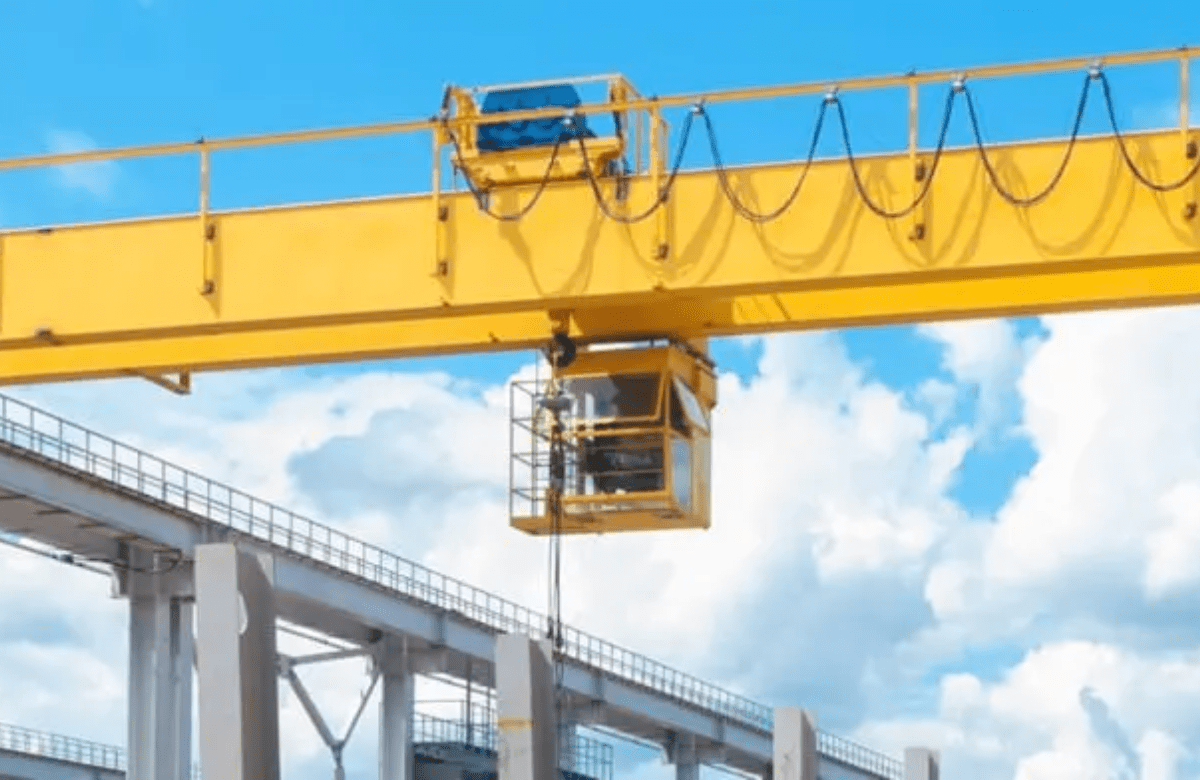
An overhead crane is a type of lifting equipment designed to move heavy materials with precision and efficiency. Unlike mobile cranes, which operate on the ground, overhead cranes are fixed systems that run along elevated tracks or beams. These cranes are commonly used in manufacturing, construction, warehousing, and shipping industries, where handling large loads quickly and safely is a priority.
Several types of overhead cranes serve different applications. Bridge cranes feature parallel runways with a moving bridge that spans the gap, allowing for multi-directional movement. Gantry cranes operate on legs that run along a track or wheels, making them ideal for outdoor or temporary lifting needs. Jib cranes have a fixed arm that pivots to lift materials in a limited radius, often found in workshops and assembly lines.
Many industries rely on overhead cranes to streamline operations. Manufacturing plants use them to transport raw materials and finished products. Construction sites use them to lift steel beams, concrete panels, and heavy equipment. Warehouses and distribution centers move bulk goods efficiently with these cranes, reducing manual labor and improving productivity. In shipyards and ports, overhead cranes handle shipping containers, helping to load and unload cargo with precision.
Legal & Regulatory Requirements
Operating an overhead crane comes with responsibilities that extend beyond the job site. In North America, safety laws set clear requirements for operator training, equipment maintenance, and workplace procedures. The Occupational Safety and Health Administration (OSHA) in the United States and WorkSafeBC in Canada enforce regulations designed to prevent workplace accidents. Standards outlined by these agencies cover everything from inspection protocols to proper load handling techniques. Employers must stay up to date with current requirements to create a safe working environment and avoid legal trouble.
Companies that use overhead cranes must provide proper training for operators. In both the U.S. and Canada, laws require employers to verify that workers understand safe operating procedures before allowing them to use the equipment. Hands-on instruction, written tests, and performance evaluations play a role in certification. Crane operator training programs also cover hazard recognition, emergency protocols, and equipment inspections. Employers must keep records of operator certifications and provide refresher training when necessary.
Failing to meet legal requirements can lead to serious consequences. Workplace injuries involving overhead cranes often result in lawsuits, equipment damage, and lost productivity. Regulatory agencies conduct inspections, and violations can bring heavy fines or shutdowns. If an untrained operator causes an accident, the company may be held liable for damages. In some cases, employers may also face criminal charges for negligence.
Essential Overhead Crane Training
Operating an overhead crane requires more than just technical skills. Proper training prepares operators for real-world challenges while reducing the risk of accidents. A well-structured program covers theory, hands-on practice, and site-specific adaptations. Keeping skills sharp with refresher courses also plays a key role in maintaining workplace safety.
Classroom Training
Understanding safety regulations, load calculations, and communication signals creates a solid foundation for crane operation. Classroom instruction helps operators recognize potential hazards before stepping onto the worksite. Lessons cover how to read load charts, calculate weight distribution, and ensure proper rigging. Training also explains the importance of hand signals and radio communication, ensuring clear coordination with ground crews.
Equipment maintenance is another focus area. Operators must know how to inspect cranes before each shift and identify mechanical issues. Recognizing wear on cables, testing brakes, and ensuring fluid levels remain within safe limits all help prevent breakdowns. Training also includes emergency protocols, so operators know what to do if equipment malfunctions.
Hands-on Training
Practical experience builds confidence and reinforces classroom lessons. Training sessions allow operators to handle real equipment under supervision. Learning to control crane movements with precision takes time, and practice helps develop muscle memory.
Instructors guide trainees through proper lifting techniques, demonstrating how to secure loads and maneuver them safely. Understanding swing control, speed adjustments, and braking distances helps prevent sudden movements that could cause accidents. Emergency procedures, such as responding to power failures or mechanical failures, are also covered.
Site-Specific Training
Each worksite presents unique challenges. An overhead crane used in a factory may have different operating conditions than one on a construction site. Training must adapt to these differences.
Operators learn how to adjust to different crane configurations, ceiling heights, and space limitations. Environmental factors such as wind, temperature changes, and floor stability also affect crane operation. Understanding site-specific hazards helps operators plan safe movements and avoid collisions.
Refresher Courses & Continuous Education
Safety standards change over time, and ongoing education keeps operators informed. Workplace procedures may evolve, and new technology may require updated training. Regular refresher courses reinforce safe practices while helping operators stay compliant with regulations.
A well-trained team improves efficiency and reduces downtime caused by accidents or equipment failures. At Bigfoot Crane, we provide training that prepares operators for real-world challenges while keeping job sites safe.
Certification and Licensing
Certification proves an operator has the knowledge and skills needed to handle an overhead crane safely. Many industries require workers to complete accredited training programs before stepping into the role. Employers benefit as well, since certification reduces workplace risks and keeps operations compliant with regulations.
National Certification Requirements
Operators in North America must meet national safety standards before working with an overhead crane. In the United States, the Occupational Safety and Health Administration (OSHA) sets training and certification rules. The National Commission for the Certification of Crane Operators (NCCCO) offers recognized programs that include written exams and practical skills assessments. Canada follows similar regulations, with the Canadian Standards Association (CSA) outlining training requirements. Provincial and territorial authorities may also have additional licensing rules.
Training programs cover topics such as load handling, equipment inspections, and emergency response. Candidates must pass both knowledge and practical tests to receive certification. Employers often prefer operators with nationally recognized credentials since these meet legal requirements and industry standards.
Certification Duration and Recertification
Most crane operator certifications remain valid for a limited period. NCCCO certifications, for example, must be valid for five years before renewal is required. The recertification process usually involves a written exam, and in some cases, a practical evaluation. Canada follows similar timeframes, with recertification ensuring operators stay current on safety updates and equipment advancements.
Ongoing education keeps skills sharp and reduces the risk of accidents. Regulations can change, and operators need to stay informed about new best practices. Employers often schedule refresher courses ahead of certification expiration dates to avoid disruptions in workflow.
Benefits of Proper Certification
A certified operator brings confidence to the workplace. With proper training, operators handle equipment more efficiently and respond to potential hazards with quick thinking. Worksites with trained personnel experience fewer accidents, lowering the chances of costly downtime.
Employers also see long-term advantages. Compliance with national standards helps businesses avoid fines and legal trouble. Insurance costs may decrease when workplaces demonstrate a commitment to proper safety training. Customers and contractors often prefer to work with companies that employ certified operators, making certification a valuable investment.
Safety Best Practices for Overhead Crane Operators
Operators are responsible for following best practices that protect workers and equipment. A well-trained operator understands how to inspect machinery, control loads, communicate with ground crews, and react quickly in emergencies.
Daily Inspections and Pre-Operation Checklists
A detailed inspection helps catch mechanical issues before they cause trouble. Before starting work, the operator should check hooks, hoist chains, wire ropes, and brakes for signs of wear. Any loose bolts, unusual noises, or misaligned parts need immediate attention. Hydraulic and electrical systems should also be tested to confirm they are functioning properly.
Checklists help maintain consistency. Every shift should begin with an inspection of limit switches, warning signals, and control mechanisms. Any problems should be reported before the crane is used. Small issues can turn into serious hazards if left unchecked.
Load Limits and Proper Handling
Each crane is designed to lift a specific maximum weight. Overloading increases strain on the equipment and raises the risk of failure. The operator should always check load ratings and never exceed them. Even when handling lighter loads, proper rigging is necessary to prevent shifts that can throw off balance.
Centering the load evenly and lifting it smoothly reduces unnecessary strain on the crane. Quick or jerky movements can cause dangerous swinging. Lowering loads slowly and placing them on stable surfaces prevents tipping hazards.
Communication Protocols with Ground Crews
Clear signals keep the entire team on the same page. Standard hand signals, radio communication, or warning alarms help prevent misunderstandings. The operator and the ground crew must agree on a system before work begins.
Spotters play a key role in guiding loads safely. A designated signal person should be positioned in a clear line of sight to the operator. If visibility is blocked, two-way radios help maintain communication. Background noise on worksites can be loud, so visual cues are often more effective than verbal commands.
Emergency Stop Procedures and Risk Mitigation
Even with careful planning, unexpected situations can occur. The operator should always be ready to hit the emergency stop button if a hazard arises. Malfunctioning controls, unstable loads, or personnel in unsafe areas all require immediate action.
Preventative steps lower risks. Workers should stay clear of suspended loads, and no one should ever stand beneath a lifted object. Worksites should be kept free of clutter, reducing the chances of tripping hazards near crane pathways.
Why Choose Bigfoot Crane for Overhead Crane Training?
Overhead crane operators need the right skills to handle heavy loads safely and efficiently. Training makes all the difference, and we take pride in delivering a program that prepares operators for real-world challenges. Our courses focus on safety, compliance, and hands-on experience, giving every trainee the confidence to perform at their best.
Expertise in Crane Operation and Safety Training
Years of industry experience have shaped our approach to training. We understand the risks that come with crane operation, and our program is built to reduce them. Operators leave with the skills to inspect equipment, control loads, and respond to hazards with confidence.
Our curriculum meets national standards and follows industry best practices. Lessons cover equipment maintenance, lifting techniques, and emergency procedures. Whether trainees are new to crane operation or looking to sharpen their skills, we provide the knowledge needed to work safely and efficiently.
Certified Instructors with Hands-On Experience
Learning from experts makes a difference. Our instructors have spent years working with overhead cranes in real job sites, and they bring that experience into the classroom. They understand the challenges operators face and provide practical guidance that applies to everyday work.
Trainees don’t just sit through lectures—they get real hands-on experience with equipment. Instructors walk them through inspections, rigging techniques, and safe lifting practices. Training sessions include real-world scenarios that help operators learn how to handle unexpected challenges.
Flexible Training Options for Different Industries
Every workplace is different, and training should reflect that. We offer flexible programs designed to meet the needs of various industries, from construction to manufacturing. Whether a company needs on-site training or a structured classroom setting, we provide options that fit their schedule and operational needs.
Custom training packages allow businesses to focus on specific skills. Some operators may need advanced rigging instruction, while others require refresher courses on safety regulations. Our goal is to provide training that makes an immediate impact on job performance.
Commitment to Safety, Compliance, and Operator Confidence
Safe crane operation starts with confidence. When operators understand their equipment and know how to handle risks, they work more efficiently and with greater awareness. We reinforce safe habits that prevent accidents and keep workplaces compliant with industry regulations.
Conclusion
Proper training and certification give operators the skills to work safely and efficiently. Investing in professional training reduces risks, improves productivity, and keeps worksites compliant with industry regulations. Businesses that prioritize safety create stronger teams and a more secure work environment.
Bigfoot Crane provides industry-leading training designed to build confidence and expertise. Our certified instructors deliver hands-on experience tailored to real job site challenges. Reach for the Sky with Overhead Bigfoot Crane Operator Training. Contact us today to learn more about our overhead crane training programs and take the next step toward a safer workplace.