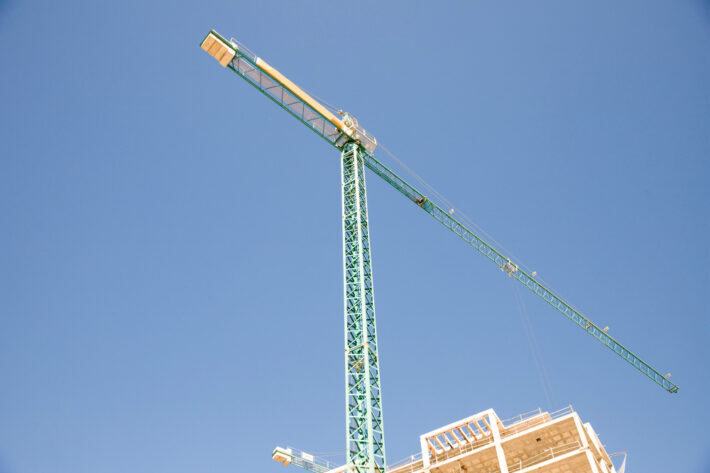
Clear processes on site shape tower crane safety every day, and paperwork only carries weight when it reflects real actions taken before a lift begins, especially when aligned with NOP-TC & WorkSafeBC Compliance requirements. Recent updates to the Tower Crane Report bring real change to daily routines, raising expectations for supervisors, engineers, and qualified persons who sign off work. Project teams now feel greater accountability before cranes enter service, which places stronger focus on planning and communication. This article breaks down what changed in clear language and explains how it affects day to day work on site. Bigfoot Crane Company works alongside site teams every day, sharing the same focus on safe outcomes and practical compliance.
What Was Released and What Changed
Clear communication around crane documentation now carries greater weight across projects in British Columbia after WorkSafeBC updated the Construction Site Tower Crane Report and simplified the title to Tower Crane Report. BC Crane Safety confirmed the change in October 2025, which gave site leaders and contractors a shared reference point for how reports should look before equipment enters service. Alignment with OHS Regulation requirements sits at the center of the revised report, helping teams link paperwork with real site actions instead of treating forms as routine admin. Purpose of the update focuses on consistent records before cranes begin work, which supports smoother mobilization and clearer expectations across crews.
Higher accountability now shows up on projects because every signature carries meaning and every entry reflects real checks, honest observations, and shared responsibility. Consistency across reports cuts guesswork between owners, engineers, supervisors, and qualified persons, which improves handovers and day to day communication on busy sites. Transparency also gives clients peace of mind since they can see that equipment arriving on site has met documented requirements before lifting begins. Teams that adopt the updated report early often describe calmer planning, clearer roles, and fewer last minute surprises during mobilization. This shift points to a practical culture change where records support safe decisions and where people feel comfortable raising concerns early rather than rushing past details. People on site often say the clearer process saves time during audits and supports stronger trust between all parties involved.
Why the Tower Crane Report Exists: The Regulation Behind It
Legal responsibility guides every Tower Crane Report, giving it real significance on active projects in British Columbia. OHS Regulation Part 14.75 establishes the requirement and ties the report directly to the proper erection, climbing, or repositioning of cranes on site. A qualified supervisor must verify that each step is completed correctly before the crane returns to service, keeping accountability close to the teams performing the work. Verification must follow manufacturer specifications or engineer specifications to ensure the crane operates safely within approved limits.
When site conditions or equipment changes create deviations from specifications, a professional engineer must certify that the crane remains safe and update load charts to reflect any adjustments. Overload prevention systems are also set and verified as part of this process, helping to prevent unsafe lifting operations. The completed report must be readily available at the workplace rather than stored elsewhere, so supervisors, inspectors, and crews can review it as needed.
These reporting practices protect workers, contractors, and owners by documenting decisions, confirming safety measures, and creating shared accountability across the team. Everyone on site can be confident that the crane has been checked thoroughly, adjusted as needed, and is ready for safe operation, which builds trust and reduces risk throughout the project.
What the Tower Crane Report Is Designed to Capture
The Tower Crane Report serves as a detailed record of how a crane is prepared for safe operation. It goes beyond paperwork to provide traceability and accountability, giving supervisors, engineers, and crews a clear picture of what has been checked, adjusted, and verified before lifting begins.
Crane Identification and Erection Verification
Each report begins with basic crane details including make, model, serial number, and hour meter reading. Supervisors confirm whether the crane was erected, climbed, or repositioned according to manufacturer or engineer specifications. When deviations occur, professional engineers provide certifications to ensure safety and update load charts accordingly.
Limit Devices, Counterweights, and Ballast
The report documents the settings of limit devices and confirms that counterweight and ballast weights are correct. Recording these details prevents errors that could compromise lifting operations and ensures that every adjustment matches approved specifications.
Inspections and Testing
Mechanical, electrical, and hydraulic components receive careful verification, and findings are documented. Operational testing and load testing are recorded, giving teams confidence that the crane performs as intended before it is put into service.
Record Storage and Accessibility
Inspection, maintenance, and repair records are maintained and made readily available at the workplace. This ensures accountability is visible, accessible, and actionale whenever questions arise.
Who Is Most Impacted Day to Day
Day-to-day operations on construction sites are shaped by the people who interact directly with tower cranes, and the updated Tower Crane Report highlights who carries responsibility at each step.
Qualified supervisors and Personnel
Qualified supervisors take the lead, verifying that every erection, climb, or repositioning task has been completed correctly. They are responsible for completing the report accuratly and ensuring that all checks are documented and available at the workplace.
Qualified persons who adjust overload prevention systems also play a key role. Their work ensures that cranes operate safely within prescribed limits and that all safety devices respond as intended. Any errors at this stage can affect both equipment and crew safety, making careful verification critical.
Professional Engineers
Professional engineers become involved whenever site conditions or crane modifications create deviations from manufacturer specifications or require special support conditions. Their certifications confirm that adjustments meet applicable standards and that the crane remains safe to operate.
Contractors and Project Managers
Contractors and project managers are responsible for confirming that reports are complete and accessible before lifting begins. This creates a chain of accountability where every role is clearly defined and traceable. The report turns responsibility into a visible, actionale record, giving teams confidence that safety is documented and that decisions on site reflect real, verifiable checks rather than assumptions.
The New Emphasis: What Safety Leaders Should Pay Attention To
Safety leaders on site are noticing practical differences in how tower crane responsibilities are tracked and verified. The updated Tower Crane Report places sharper focus on specific items that reflect real field conditions rather than assumptions. Limit device load settings now need to be clearly documented, showing that cranes will operate within approved limits and that every measurement is accounted for. Similarly, counterweight and ballast weights must be recorded accuratly so that lifting capacity and balance are verifiable before any work begins. This level of detail also strengthens Prep for WorkSafeBC Audits, since clear records make inspections more straightforward and reliable.
The report also emphasizes that certifications cannot sit off site. Engineers’ approvals and any special condition documentation must be present at the workplace, giving supervisors, inspectors, and crews immediate access. This ensures that verification is visible, actionale, and tied to the equipment actually on site. Proof of inspection for mechanical, electrical, and hydraulic systems is no longer a checkbox exercise; teams must show evidence that these checks were performed and recorded properly.
These changes signal a broader expectation: documentation must mirror the reality of the crane and its preparation. Work crews and project teams can no longer rely on assumptions or verbal confirmations alone. Bigfoot Crane Company already operates with this level of discipline. Our teams understand both the operational side of crane compliance and the practical steps needed to make reports meaningful. Every check, adjustment, and signature reflects real actions, giving clients and crews confidence that safety, accountability, and readiness are consistently achieved on every project.
What This Means for Contractors and Project Teams
Contractors and project teams now face clearer expectations for how tower crane documentation is reviewed and managed before lifting begins. Tighter scrutiny of reports means that verification and signatures must be complete and accessible at the workplace, leaving no room for last minute assumptions. Planning ahead becomes a practical necessity rather than an administrative formality. Allocating time in project schedules for inspection, verification, and reporting helps ensure that cranes are ready for safe operation without delaying work.
Aligning supervisors, engineers, and operators early in the project supports smooth communication and reduces the risk of overlooked steps. Everyone knows their role, and responsibilities are documented in a way that can be referenced on site. Treating compliance as an integrated part of planning rather than a hurdle at the end of a job helps teams avoid rushed decisions and supports safer, more predictable operations.
Proper storage and preparation of cranes between projects also influences how smoothly compliance is achieved. When equipment arrives ready for inspection, with parts organized and systems accessible, teams can complete reporting efficiently and confidently. Contractors who adopt these practices see fewer surprises, stronger accountability, and a higher level of operational readiness across their projects.
Conclusion
The updated Tower Crane Report reflects higher expectations for everyone involved in crane operations, making clear that safety depends on real checks rather than assumptions. Strong, structured processes help teams comply naturally, turning documentation into a tool that supports field-level discipline and safer outcomes. When supervisors, engineers, and operators follow consistent practical processes, crews can rely on verified inspections, properly set devices, and accurate records. Staying information about these requirements and building strong documentation habits benefits both people and projects. Bigfoot Crane Company emphasizes safety leadership on every site, demonstrating how careful planning and disciplined reporting create confidence, accountability, and reliable results for every lift.