
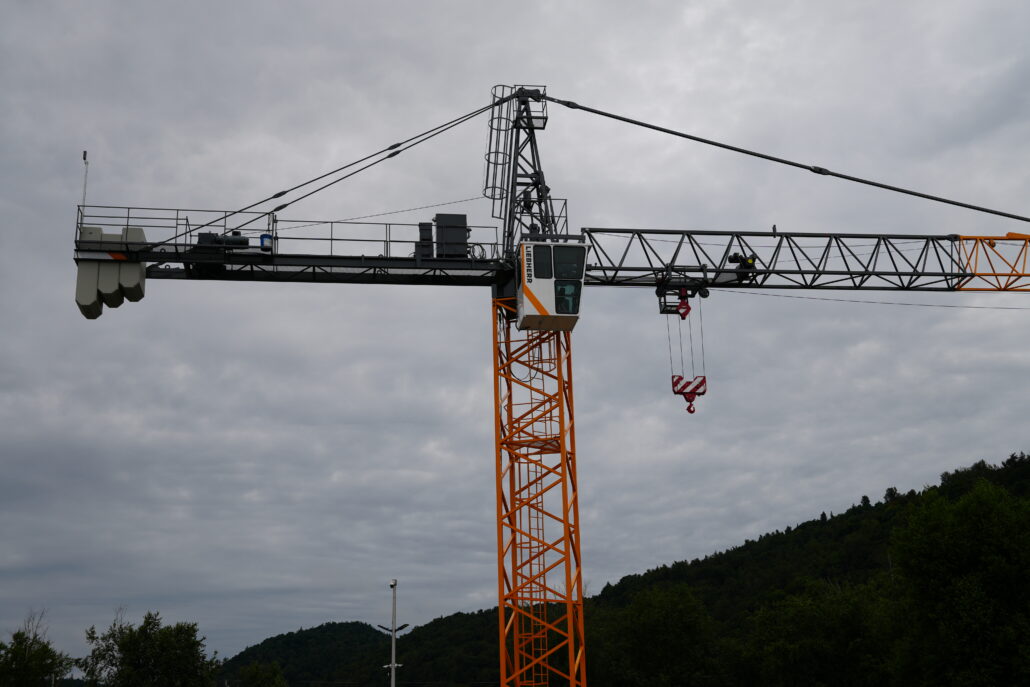
Construction sites that plan to erect a tower crane in British Columbia step into a regulatory process that carries real weight, and the Notice of Project for Tower Cranes, known as NOP TC, sits at the center of that responsibility. Provincial law requires this notice before a crane goes up or begins operating, and regulators treat it as a formal declaration that the project team understands its obligations. The purpose is straightforward yet demanding. Authorities want confirmation that engineering oversight is in place, operators hold valid certifications, and safety procedures are documented before steel sections ever leave the ground.
Project managers often feel pressure to keep schedules moving, and paperwork can seem like a hurdle rather than protection. That tension shows up most clearly during tower crane report updates, where missing engineer information or an incomplete checklist forces revisions. Regulatory background matters here because NOP TC was introduced to prevent preventable incidents tied to foundation design, overlap conflicts, and poor communication between trades. Every field in the form reflects lessons learned on real sites.
Connection to WorkSafeBC compliance is direct and unavoidable. Inspectors rely on the submission to verify that a project meets current safety expectations before work proceeds. Contractors who treat the NOP TC as a serious planning step, rather than a form to rush through, often experience smoother inspections and fewer stressful phone calls once construction begins.
NOP-TC Requirements Checklist
Projects that prepare documentation early usually avoid delays when submitting the NOP-TC requirements through the portal. A clear checklist keeps everyone aligned before crane erection starts and reduces back and forth corrections during review. Teams that follow a structured process often find inspections move smoothly because records match what happens on site.
SWP Checklist and Site Binder Checklist
The SWP checklist, also known as the site binder checklist or the Crane site binder SWP, plays a central role in the submission. This document confirms that safety procedures, risk controls, and operational rules are in place before work begins. Many teams mistakenly upload a general safe work practice instead of the required signed checklist, which leads to rejection.
Inspectors expect proof that the checklist reflects actual site conditions. Keeping it updated inside the tower crane documentation BC folder makes it easier to attach during the WorkSafeBC NOP-TC submission process.
Crane Design Engineer Information
The form requires accurate details for the crane design engineer NOP-TC field. This usually refers to the engineer responsible for structural approval and foundation validation, not the crane supplier. Missing or incorrect information here often blocks submission because the portal treats the field as mandatory.
Operator and Rigger Certifications
Valid operator and rigger certifications must be current and clearly recorded. Upload copies alongside the submission so inspectors can verify competency before operation begins. Outdated certificates create immediate compliance questions.
Maintenance, Inspection, Emergency, and Overlap Procedures
Updated maintenance logs, inspection records, emergency response plans, and overlap procedures must be ready before filing. These documents demonstrate readiness and support construction compliance BC standards. Clear documentation lowers the risk of tower crane report changes after submission.
Step-by-Step NOP-TC Submission Walkthrough
Submitting the NOP-TC requirements through the portal often looks straightforward, yet real delays usually happen because information is missing or documents do not match what inspectors expect. A clear step-by-step approach reduces confusion and keeps the focus on preparing accurate records before starting the process. Many teams feel pressure to submit quickly, especially when crane delivery dates approach, but rushing usually leads to corrections later.
Preparation: Gathering Documents and Information
Preparation starts before logging into the WorkSafeBC NOP-TC submission portal. Teams should gather every required document in one organized folder so nothing gets overlooked. This includes a signed SWP checklist NOP-TC, also known as the site binder checklist, operator certifications, rigger qualifications, maintenance logs, emergency procedures, and overlap plans.
The Crane design engineer NOP-TC information must be verified carefully. That field usually refers to the engineer responsible for structural approval and foundation review, not the crane supplier. Mistakes happen when projects assume the supplier’s contact fits the requirement. Confirming the correct engineer details early prevents rejection during review.
Site details also need accuracy. Confirm the project address, crane model, lift capacity, foundation design reference, and any overlap zones if multiple cranes operate nearby. Keeping these details aligned with actual site conditions reduces back and forth communication after submission.
Portal Submission: Filling Out the Form, Attaching Documents, Entering Details
After preparation, entering data into the portal becomes smoother. All mandatory fields must be completed before the system allows submission. Upload the checklist and supporting files carefully, making sure documents are readable and correctly labelled.
Double check attachments before final submission. File errors or missing signatures often trigger compliance updates. Once submitted, save the confirmation record and store it inside the tower crane documentation folder for future audits.
Tips for Avoiding Common Mistakes
Careful review prevents most errors. Verify that the checklist matches the uploaded version, confirm engineer details are accurate, and ensure certifications are current. Avoid copying old forms without checking updates. Small corrections now prevent tower crane report changes later and keep approval moving smoothly.
After Submission: What to Expect
After completing the WorkSafeBC NOP-TC submission, the process does not stop. Teams should treat confirmation as the beginning of active record management instead of closing the folder and moving on. Saving the submission confirmation, uploaded documents, and approval notice inside the tower crane documentation folder helps maintain clear audit trails.
Keeping records organized becomes the next priority. The signed SWP checklist NOP-TC, engineering contacts, certifications, and maintenance logs must remain accessible on site. Inspectors often review these documents during visits to verify that what was submitted matches what is happening in the field. If records are missing or outdated, questions arise quickly.
WorkSafeBC may contact the project after submission to clarify details or request additional information. These requests sometimes relate to the Crane design engineer NOP-TC information, checklist signatures, or changes in site conditions. Responding promptly with accurate documentation reduces delays and shows that compliance is actively managed instead of handled once.
When tower crane setups change, such as adjustments to foundation design or operator replacement, updates may qualify as tower crane report changes. Updating records early prevents confusion later. Maintaining communication between site supervisors and compliance teams ensures information stays current. Organized documentation builds confidence during inspections and strengthens alignment with NOP-TC requirements BC expectations.
Best Practices for Simple Compliance
Simple systems reduce errors when managing construction compliance BC obligations tied to tower cranes. Projects that standardize documentation workflows usually experience fewer submission corrections and smoother audits. Clear procedures prevent confusion about who prepares forms and who verifies approvals.
Using fillable PDFs for checklists, certifications, and procedures improves accuracy. Templates reduce manual handwriting mistakes and guide users through required fields. Once completed, these documents can be stored inside a structured digital system for quick access during inspections.
A reliable digital binder system keeps all records in one place. Uploading operator certifications, maintenance logs, emergency procedures, and the SWP checklist into a central folder ensures documents remain ready for portal submission or review. Consistent file naming and version control make updates easier to track.
Regular documentation reviews help confirm information reflects current site conditions. Assigning responsibility to a specific team member strengthens accountability. Staff training on the NOP-TC process and portal requirements ensures everyone understands expectations and avoids repeated errors. Standardizing internal steps reduces tower crane report updates and supports long term compliance stability.
Resources and Templates
Project teams looking for accurate guidance can rely on official information from WorkSafeBC, which provides detailed instructions on the NOP-TC requirements BC process and portal submission steps. Their website explains mandatory fields, documentation expectations, and inspection priorities so contractors understand what inspectors review. Another reliable source is BC Crane Safety, which supports operator certification guidance and compliance standards related to tower crane work.
Templates for the SWP checklist NOP-TC, engineering forms, and documentation tracking often come from industry consultants, safety advisors, or internal compliance teams. Many organizations develop standardized fillable PDF templates to match their project needs. Keeping these templates updated with current regulations reduces confusion during submission and supports smoother audits.
Lessons from the Field
Real project experience shows that early preparation prevents tower crane report changes after submission. Teams that gathered certified checklists, confirmed the correct Crane design engineer NOP-TC information, and verified documentation before entering the portal experienced fewer revision requests. Clear records inside a structured tower crane binder made inspections faster and more predictable.
Projects that rushed submissions often faced follow up questions from regulators and delays in approval. Strong documentation aligned with the WorkSafeBC NOP-TC submission requirements builds confidence during audits and keeps construction moving without unnecessary interruptions.
Conclusion
Staying current with tower crane report updates and changes to the NOP-TC requirements reduces errors during submission and inspection. A clear summary of recent guidance, checklist reminders, and portal expectations helps teams prepare before starting the WorkSafeBC NOP-TC submission process. Download the update summary PDF to review key compliance points and avoid common mistakes. Get the update summary PDF today and keep your tower crane documentation aligned with current standards.