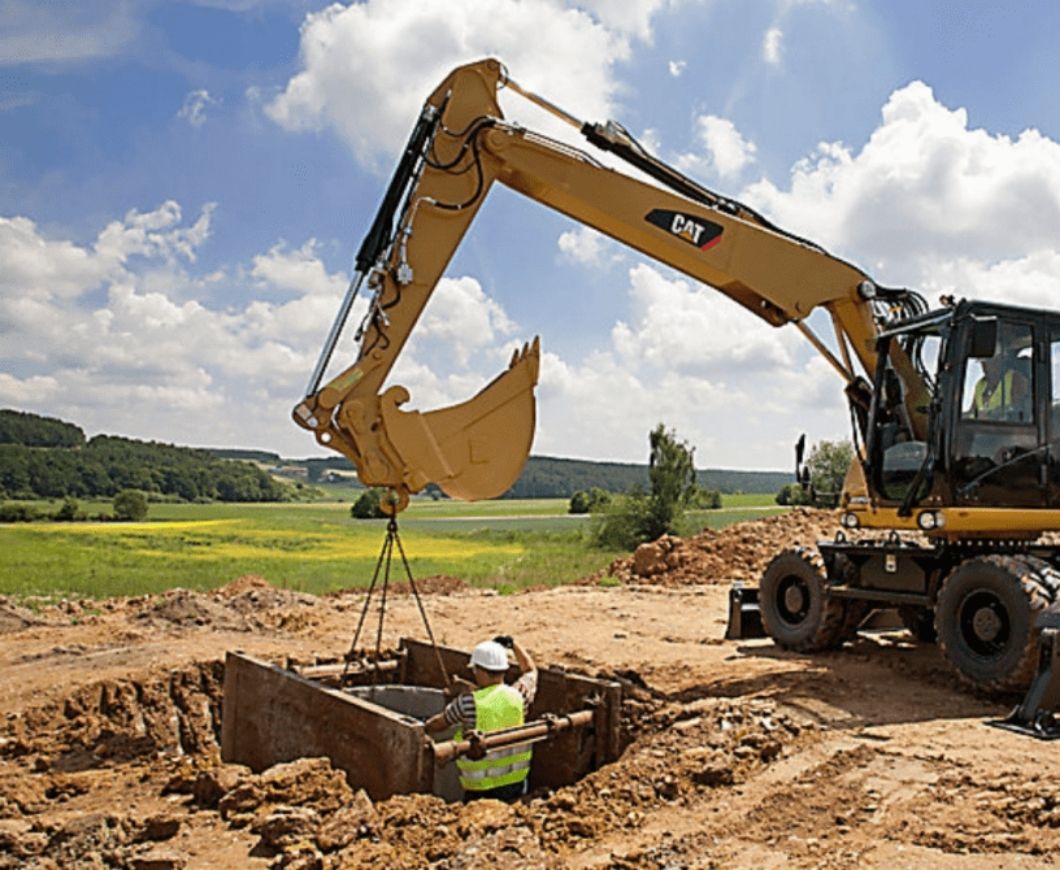
A clear grasp of civil rigging terminology plays an important role in keeping job sites safer and helping crews work with confidence. Each piece of equipment has a specific purpose, and knowing the correct names and functions supports better communication and fewer mistakes during lifts.
Ralf Notheis, Manager of Bigfoot Crane Academy, shares a practical example that shows why language matters on site. “When a qualified rigger asks for a shouldered eye bolt and another worker hands them a shoulderless eye bolt, they can tell the difference and insist on the right hardware to complete the lift safely.” Real situations like this highlight how knowledge protects people, equipment, and timelines.
Civil rigging includes a wide range of hooks, clutches, slings, and shackles that may look similar at a glance yet serve very different roles. A grab hook with a cradle behaves differently than a standard grab hook, and the right choice depends on the task at hand. Understanding these differences reduces guesswork and supports steady, safe decisions on site.
Underhook Attachments and Safety Information
Hardware knowledge represents only one part of the picture, since underhook attachments also demand careful attention. Each attachment connects to specific lifting tasks and carries defined safety factors that must be respected. Every unit must display at least five key pieces of technical information that describe its identity and performance, and knowing how to read this information helps crews confirm that the equipment suits the lift.
Slings form the third major area where terminology knowledge makes a real difference. Four common sling types appear across civil projects, including options made of chain, wire rope, and synthetic materials. Each type performs reliably when matched with the correct application and handled properly, which builds confidence during demanding lifts.
“One of the primary goals of this course is to train riggers to a level where they know the terminology and they properly understand their equipment,” says Notheis. Strong training supports sound judgment and better habits across real work conditions.
A Safer Work Culture Starts With Shared Language
Learning civil rigging terminology supports stronger teamwork, clearer communication, and safer outcomes across every shift. Crews who share the same language reduce risk and build habits that allow everyone to go home safely each day, and enrollment in the Civil Rigging Course offers a practical next step.