

Pressure builds quickly on a busy site when crane downtime disrupts planned lifts and throws your crew off rhythm. Project managers feel the strain as productivity slips, safety margins tighten, and deadlines begin to look uncertain. A stalled crane does not just pause work, it pushes costs upward and creates tense conversations about missed targets. Careful planning and consistent crane maintenance help you prevent many of these setbacks, though real conditions often test even the best schedules. You still hold control through practical habits and steady oversight. This article walks you through clear steps you can apply daily, helping you reduce crane delays while protecting efficiency, morale, and site confidence.
Common Causes of Crane Downtime You Should Understand
Crane downtime rarely appears without warning, yet it often catches you at the exact moment your schedule feels tightest. A lift that should take minutes can stretch into hours once equipment, weather, or coordination issues start working against you. Productivity slows, safety risks rise, and frustration builds across your team as pressure mounts to recover lost time. Understanding what truly causes these interruptions gives you a steadier grip on project control. You respond with clearer planning, calmer decision making, and stronger confidence when you recognize the patterns that usually lead to delays.
Mechanical Failures That Interrupt Operations
Continuous lifting work places real strain on cables, hydraulic systems, and engine components. Wear develops gradually, though breakdowns tend to feel sudden when they finally occur. A crane that handled yesterday’s load without trouble may struggle under similar conditions today. Paying close attention to mechanical performance helps you detect subtle changes before they grow into disruptive failures.
Inspection Gaps That Allow Problems To Grow
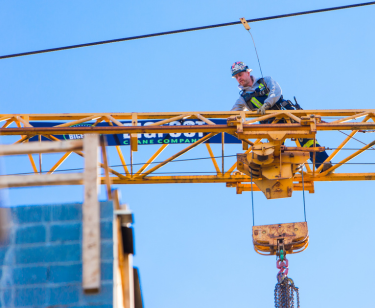
Routine checks sometimes slip through the cracks when site pressure increases, yet missed inspections often allow small issues to become operational threats. Loose connections, fluid leaks, or weakened structural parts can remain hidden until lifting stops altogether. Consistent inspection habits strengthen your ability to keep operations steady and predictable.
Weather and Environmental Pressures
Changing site conditions bring uncertainty that directly affects crane stability and lifting safety. Strong winds, heavy rain, and uneven ground can shift your operational limits without much notice. Teams that stay alert to environmental signals usually adapt faster and avoid sudden disruptions that derail progress.
Human Factors That Influence Performance
Operator fatigue or limited practical experience can lead to misjudged lifts and strained equipment handling. Communication breakdowns between scheduling teams and site managers create confusion around timing and priorities. Tension builds quietly when expectations differ, often surfacing as avoidable delays during critical lifting windows.
Supply Chain Disruptions and Spare Parts Delays
Maintenance work slows significantly when replacement parts remain unavailable or delivery timelines change without warning. Waiting for critical components forces adjustments that ripple through your entire schedule.
Early recognition of these risks helps you reduce crane delays and strengthen operational reliability. Clear awareness allows you to respond with confidence, keeping project momentum steady even under challenging conditions.
Crane Maintenance Practices That Help You Prevent Downtime
Strong crane performance does not happen through chance, and crane downtime often reflects gaps in maintenance habits rather than sudden misfortune. Equipment that receives steady care tends to respond reliably under pressure, while neglected systems struggle when lifting demands increase. Your approach to crane maintenance, including understanding concepts like how a crane builds a crane, shapes how smoothly daily operations unfold, especially during critical project phases. Clear routines, skilled attention, and disciplined record keeping help you maintain confidence in your lifting capacity. Practical maintenance practices allow you to stay ahead of disruptions, protect your workforce, and support consistent project progress even when conditions grow demanding.
Routine Inspection Schedules That Protect Performance
Regular inspection schedules give you early visibility into wear that develops across cables, joints, hydraulic systems, and structural components. Small signs of strain often appear long before serious faults emerge, though they require careful observation to detect. Consistent checks allow you to address issues calmly instead of reacting under pressure once lifting operations stall. Routine Inspection Schedules That Protect Performance
Crane electrical maintenance supports these inspection schedules by ensuring that electrical systems remain reliable and safe for consistent operations.
Lubrication, Load Testing, and Calibration Checks
Proper lubrication supports smooth mechanical movement and reduces friction that can accelerate component deterioration. Load testing helps you confirm that lifting systems respond safely within expected limits, while calibration checks maintain accuracy in control systems. These practices strengthen operational stability when carried out with discipline.
Preventive Maintenance Compared to Reactive Repairs
Preventive maintenance shifts your focus toward steady planning rather than emergency response. Reactive repairs usually cost time, disrupt schedules, and create stress across teams. A proactive mindset helps you maintain continuity and avoid situations where urgent fixes dictate project pace.
Manufacturer Guidance and Digital Maintenance Records
Manufacturer guidelines offer practical direction on service intervals, performance limits, and safe operating procedures. Digital maintenance logs help you track equipment history, identify recurring patterns, and support informed decision making during planning discussions. Reliable records create clarity when multiple teams share responsibility for crane management.
Skilled Teams That Recognise Early Warning Signs
Maintenance teams play a central role in sustaining crane reliability, particularly when they receive training that sharpens their ability to notice subtle changes in performance. Consistent crane maintenance extends equipment lifespan, reduces unexpected stoppages, and allows your project to move forward with greater confidence.
Smart Scheduling Strategies to Reduce Crane Delays
Effective crane operations rely on thoughtful scheduling that integrates every aspect of the project, ensuring machinery and crews work in harmony rather than at cross purposes. Coordinating crane usage with project milestones allows you to align lifting capacity with the broader construction plan, reducing the risk of bottlenecks when multiple tasks converge. Incorporating buffer periods into your schedule provides a cushion for unexpected disruptions such as weather changes, minor equipment issues, or site delays. Aligning material deliveries with crane availability further minimizes idle time, making sure both operators and crews remain productive throughout the workday. Careful attention to timing across these elements strengthens overall workflow and keeps operations moving smoothly even under pressure.
Planning and visibility play a central role in managing crane deployment effectively. Scheduling software or digital planning platforms gives you a clear overview of upcoming tasks, resource allocation, and maintenance requirements, helping identify potential conflicts before they impact operations. When maintenance windows, lift assignments, and workload trends are visible in a single system, decision making becomes more precise and proactive. You gain the ability to adjust crane deployment confidently, preventing interruptions from cascading through the project schedule while maintaining steady progress toward completion.
Communication forms the backbone of any scheduling strategy, translating plans into coordinated action on the ground. Keeping operators, site supervisors, and logistics teams informed about priorities, expected adjustments, and potential delays ensure alignment across all stakeholders. Regularly reviewing project progress allows you to fine-tune crane assignments and reallocate resources where they are most needed. When scheduling, technology, and communication work together, you can reduce crane delays significantly and maintain momentum without sacrificing safety or operational reliability.
Monitoring and Technology Solutions That Support Uptime
Maintenaining stready crane operations depends heavily on proactive monitoring that gives you insight into equipment performance before problems escalate. Real‑time tracking systems provide continuous data on load handling, motor function, and overall crane activity, allowing you to spot irregularities early. Sensors that detect overheating, mechanical strain, or overload risks offer immediate alerts, giving you the opportunity to adjust operations before minor issues turn into extended downtime. Combining these tools with predictive maintenance software further strengthens your approach by analyzing trends, anticipating failures, and guiding timely interventions that prevent costly interruptions.
Integration of telematics systems creates a broader perspective for decision making, linking performance data with scheduling, maintenance records, and operator logs. This holistic view allows you to identify patterns across multiple cranes, plan maintenance more effectively, and optimize lift assignments according to real operational capacity. When monitoring technology, predictive tools, and telematics work in unison, you can reduce crane downtime, improve reliability, and maintain consistent project momentum while ensuring safety and efficiency across the site.
Practical Checklist You Can Use to Prevent Crane Downtime
Preventing crane downtime requires a structured approach that combines routine inspections, clear communication, and thorough record keeping. Implementing a practical checklist on your site helps you stay organized, catch potential problems early, and maintain smooth operations. Consistency in daily and weekly practices reduces unexpected interruptions and keeps both equipment and personnel safe. Using this checklist allows you to approach maintenance proactively, supporting reliability and efficiency throughout your project.
- Daily Inspection Tasks: Check cables, hooks, hydraulic systems, and control panels for visible wear or irregularities before operations begin.
- Weekly Maintenance Activities: Lubricate moving parts, verify load capacities, and test safety systems to ensure continued performance.
- Communication Protocols: Confirm lift schedules with operators, site supervisors, and logistics teams to avoid conflicts or idle time.
- Documentation Practices: Record inspections, maintenance actions, and recurring issues to track trends and guide timely interventions.
- Safety Checks: Inspect barriers, ground conditions, and emergency systems to protect both workers and equipment during operations.
Conclusion
Maintaining smooth crane operations depends on a combination of proactive maintenance, structured scheduling, and vigilant monitoring. Consistently applying inspection routines, coordinating lifts with project milestones, and fostering clear communication among operators and supervisors helps you reduce unplanned interruptions. Teamwork reinforces reliability, while careful attention to performance trends allows you to anticipate potential issues before they escalate. Preventing crane downtime not only safeguards productivity but also protects project timelines and operational budgets, ensuring that resources are used efficiently and deadlines are met. A disciplined, collaborative approach transforms crane management into a predictable, controllable process that supports overall project success.