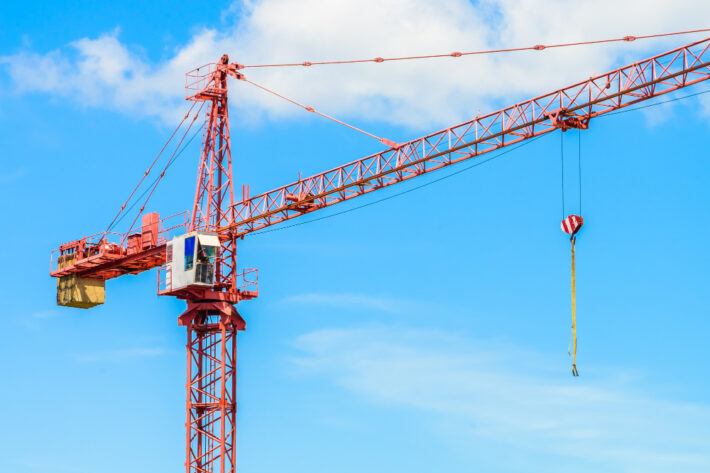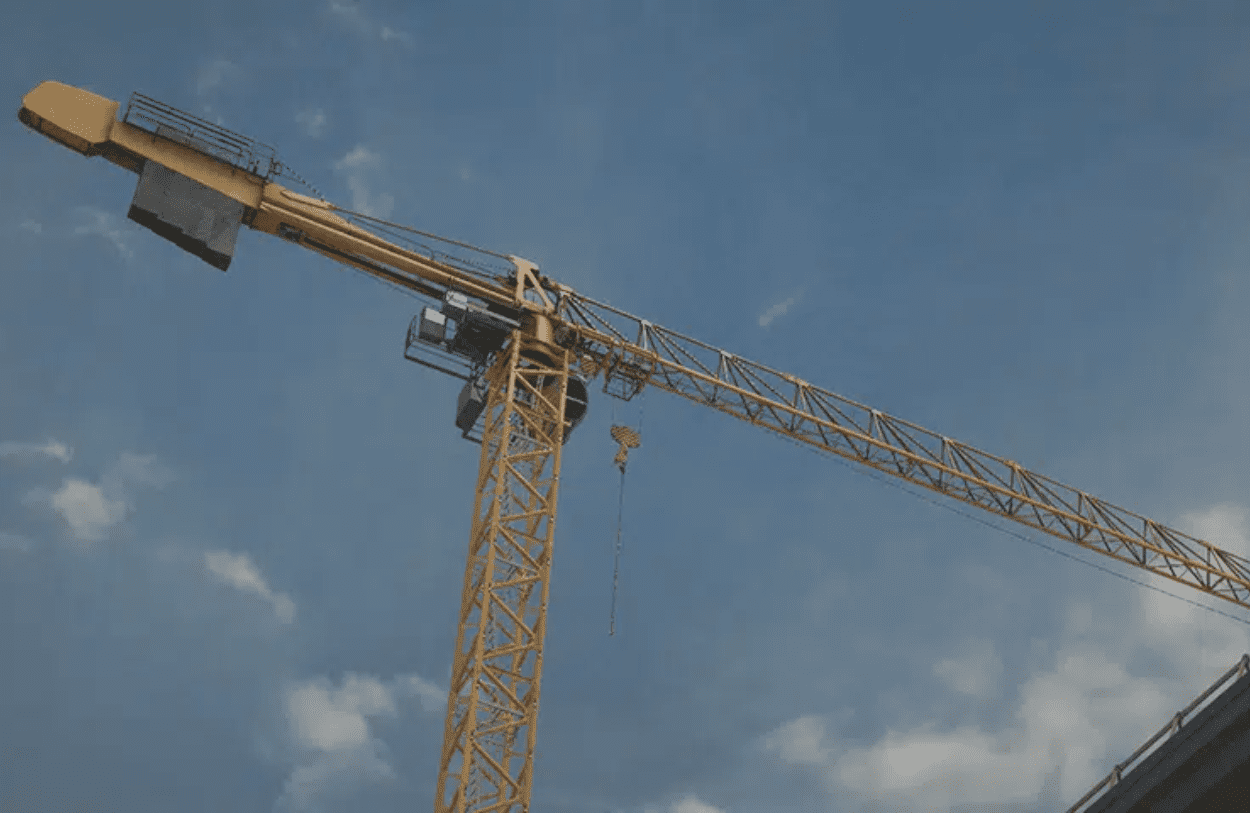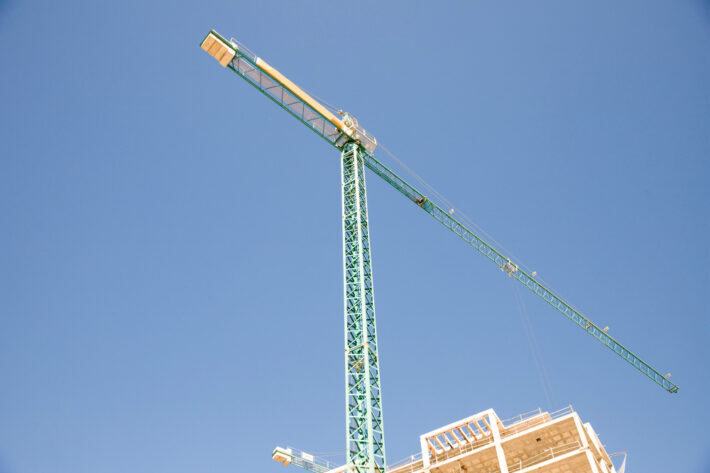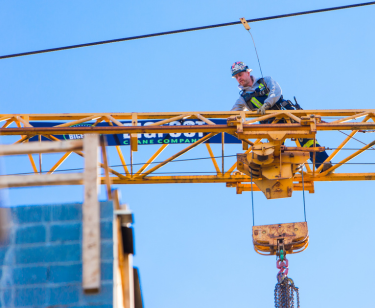


Crane erection involves a carefully coordinated process that brings together engineering precision, skilled teamwork, and detailed planning. You may find it surprising that cranes often play a direct role in building other cranes, assisting with lifting and positioning heavy structural sections during assembly. Modern construction sites also rely on self erecting crane technology, which allows certain models to raise their own mast sections with minimal external support. Understanding how these methods work helps you manage projects with greater confidence and efficiency, especially when focusing on avoiding crane downtime. This article explains the crane assembly process step by step, giving you practical insight into equipment use, safety considerations, and the sequence required for successful crane erection.
Why Crane Erection Requires Careful Engineering
Crane erection demands careful engineering because structural stability must be maintained at every stage of assembly, even before the crane reaches full height. Each component, including mast sections, jibs, and counterweights, must be positioned precisely to ensure that loads remain balanced throughout the process. Improper load distribution can create stress on connections and foundations, increasing the likelihood of cost and timeline risk alongside potential instability or structural failure. Maintaining alignment and verifying the integrity of bolts and support systems allows you to build the crane safely while protecting both equipment and personnel from avoidable hazards.
Effective planning and clear sequencing play a critical role in managing crane erection successfully, especially when site readiness and logistical coordination influence every step. Preparing the foundation, organizing lifting equipment, and scheduling assembly tasks in the correct order helps you maintain control over complex operations. Ignoring established erection procedures can lead to costly delays, equipment damage, or serious safety incidents. Careful engineering decisions, supported by structured planning and consistent monitoring, allow you to reduce risks and ensure that the crane assembly process progresses smoothly and efficiently.
What Is a Self Erecting Crane and How It Works
A self erecting crane is a type of tower crane designed to assemble its own structure with minimal reliance on external lifting equipment. You often encounter this technology on projects where space constraints or logistical challenges make traditional crane assembly difficult. Unlike conventional cranes that require assist cranes for erection, a self erecting crane uses integrated mechanical systems to raise and position its mast sections. This design allows you to set up lifting capacity more efficiently, particularly on sites where access is limited or timelines demand rapid deployment.
Hydraulic climbing frames and telescoping mechanisms form the core systems that enable self erection. These components work together to lift the crane’s upper structure incrementally, creating space for additional mast sections to be inserted and secured. Controlled hydraulic movement ensures stability during each stage, while built-in safety systems monitor alignment and load distribution. This method reduces reliance on external equipment and simplifies the crane assembly process, allowing you to manage installation with fewer resources.
Self erection offers clear advantages in compact urban sites or projects with restricted access, though it may not suit every construction scenario. Height limitations, load capacity constraints, and specific ground conditions can influence suitability. Evaluating project requirements carefully helps you determine whether a self erecting crane provides the efficiency and flexibility needed for successful operations.
Equipment Used During Crane Assembly
Crane assembly involves a coordinated use of specialized equipment that supports safe lifting, accurate positioning, and secure structural connections. Each tool and machine plays a specific role in ensuring that heavy components are handled with precision and installed according to engineering standards.
Mobile Cranes and Assist Cranes
Mobile cranes and assist cranes provide the lifting power required to position mast sections, jibs, and counterweights during assembly. These machines allow you to handle large components safely, ensuring that each section is placed accurately and secured without unnecessary strain on personnel or equipment.
Hydraulic Jacking Systems and Lifting Frames
Hydraulic jacking systems and lifting frames enable controlled elevation of crane structures, particularly when adding mast sections or adjusting height. These systems allow gradual, stable movement that supports structural integrity while reducing the risk of sudden shifts or imbalance during erection.
Bolting Tools, Torque Equipment, and Alignment Instruments
Specialized bolting tools and torque equipment ensure that structural connections meet specified tension requirements, while alignment instruments help maintain precision during assembly. Accurate fastening and alignment support long-term crane stability and reliable performance under load.
Safety Platforms and Access Systems
Safety platforms and access systems provide secure working areas for technicians during installation. Proper access solutions allow you to perform assembly tasks efficiently while maintaining safe working conditions at height, supporting both productivity and worker protection.
Step by Step Crane Assembly Process Using Assist Methods
Crane assembly using assist methods follows a structured sequence that ensures stability, safety, and operational readiness at every stage. Each phase builds upon the previous one, making careful coordination between lifting teams, engineers, and supervisors essential.
Foundation Preparation
The assembly process begins with preparing a stable and level foundation capable of supporting the crane’s operational loads. Ground conditions must be assessed carefully, and reinforcement measures may be required to ensure long term structural support. Proper foundation preparation reduces the risk of settlement or misalignment once the crane becomes operational.
Base Section Placement
After the foundation is confirmed, the base section is positioned accurately using lifting equipment. This component serves as the anchor for all subsequent structural elements, making precise alignment essential. Secure fastening and verification of level positioning ensure that the crane structure can develop safely upward.
Mast Erection Using Assist Crane
Mast sections are lifted sequentially by an assist crane and secured in place through bolted connections. Each section must be aligned carefully to maintain structural stability and ensure smooth rotational movement during operation. Continuous monitoring during this stage helps prevent installation errors that could compromise performance.
Jib and Counter Jib Installation
The jib and counter jib are attached once sufficient mast height is achieved. These components must be balanced accurately to maintain load distribution and safe lifting capacity. Assist cranes allow controlled placement, reducing strain on assembly teams and minimizing risk.
Counterweight Placement
Counterweights are installed to stabilize the crane and support lifting operations. Proper positioning ensures that loads can be handled safely without causing excessive stress on structural components. Verification checks confirm that weight distribution meets engineering specifications.
Operator Cab Installation
The operator cab is installed at the designated height, providing visibility and control for future crane operations. Secure mounting and connection of control systems ensure reliable communication between the operator and crane mechanisms.
Electrical and Mechanical System Connection
Final assembly stages involve connecting electrical wiring, hydraulic systems, and mechanical controls. Functional testing verifies that all systems respond correctly, confirming readiness for safe and efficient crane operation.
Self Climbing and Height Increase Methods Explained
Tower cranes are designed to grow alongside the structures they help build, allowing you to maintain lifting capacity as the building height increases. This height adjustment is achieved through climbing systems that add new mast sections without dismantling the entire crane. Internal climbing systems operate within the building’s core, using structural support from the surrounding framework, while external systems rely on climbing frames positioned outside the structure. Each method offers specific advantages depending on site layout, construction progress, and available space, making careful planning essential for successful height increases.
Hydraulic climbing frames play a central role in this process by lifting the crane’s upper structure in controlled increments, creating space for additional mast sections to be inserted and secured. Continuous monitoring of alignment, load distribution, and structural stability ensures that climbing operations proceed safely. Safety checks during each stage confirm that bolts, connections, and support systems meet engineering requirements. A disciplined approach to self climbing allows you to extend crane height efficiently while protecting both personnel and equipment.
Safety Protocols During Crane Erection
Crane erection demands disciplined safety planning because heavy components move at height while multiple teams work in close coordination. You manage risks effectively when clear procedures guide each lift, access route, and equipment connection. Structured safety protocols help you maintain control over changing site conditions, protect personnel, and keep assembly work aligned with engineering expectations.
Exclusion Zones and Lift Supervision
Defined exclusion zones prevent unauthorized access to active lifting areas, reducing the likelihood of accidents caused by falling objects or unexpected load movement. Competent lift supervisors coordinate signals, verify rigging arrangements, and confirm that each lift follows the approved erection sequence. Continuous observation during critical operations helps you respond quickly if conditions change.
PPE and Fall Protection
Personal protective equipment supports safe movement across elevated platforms, ladders, and structural sections during assembly. Harness systems, helmets, and protective footwear reduce injury risks when you handle heavy components or work near open edges. Consistent use of fall protection systems ensures that tasks at height proceed with controlled exposure.
Weather Monitoring and Lift Suspension Rules
Weather conditions influence crane stability and lifting accuracy, making regular monitoring necessary during erection activities. Wind speed limits and visibility thresholds guide decisions to suspend lifts when environmental factors threaten safety. Clear suspension rules allow you to pause work responsibly without compromising project coordination.
Compliance With Manufacturer Erection Manuals
Manufacturer erection manuals provide precise instructions for component handling, bolt tension, and structural alignment. Adhering to these guidelines supports correct assembly methods and preserves equipment performance throughout its service life.
Conclusion
Careful crane erection combines technical planning, disciplined teamwork, and consistent safety awareness at every stage of assembly. You strengthen project outcomes when structured procedures guide equipment handling, system connections, and operational checks. Thoughtful coordination between engineers, operators, and site supervisors supports stable installation while reducing risk exposure. A steady commitment to approved erection practices helps you protect personnel, maintain equipment performance, and keep construction timelines moving with confidence.