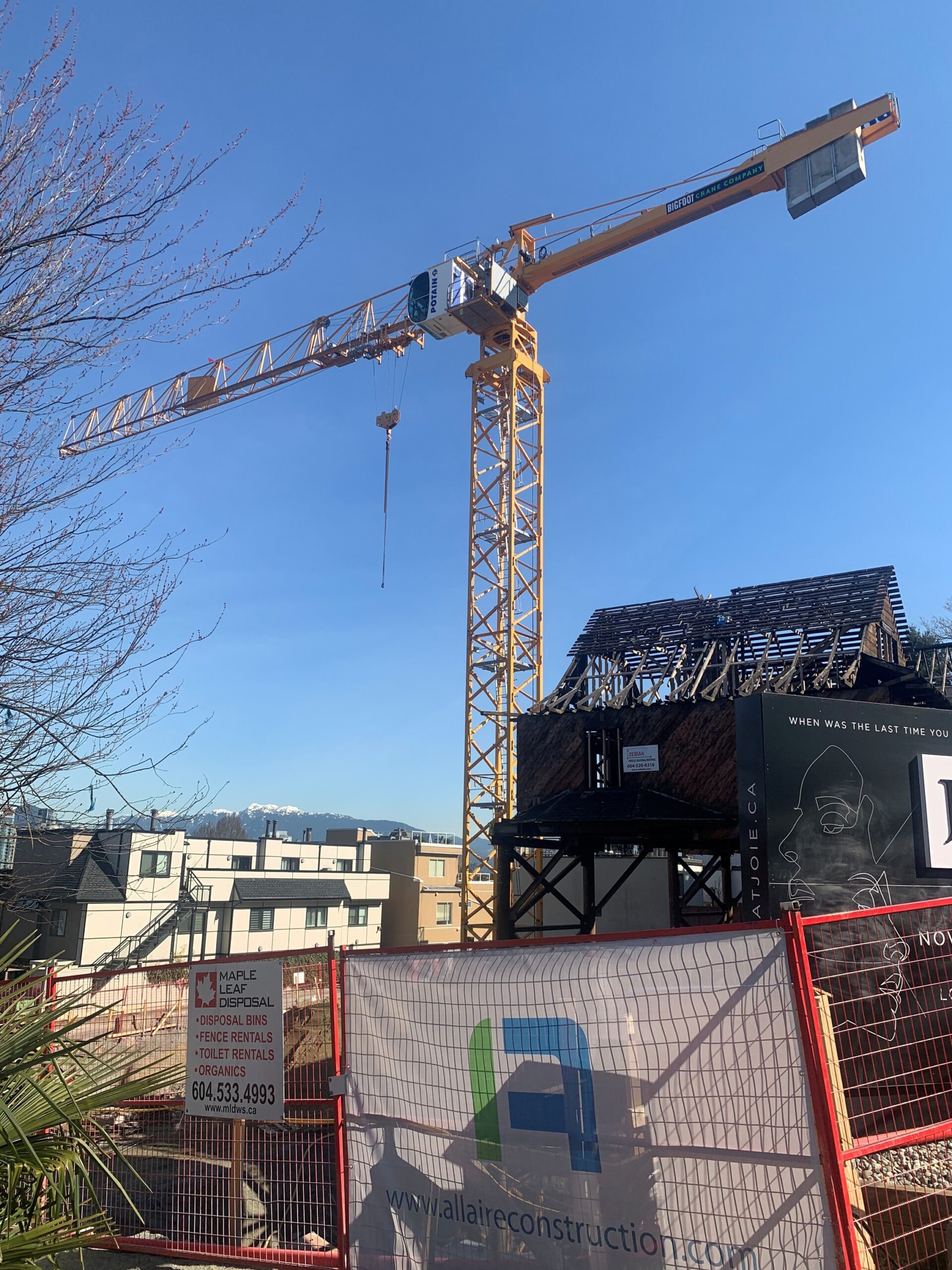
Smart planning for crane storage plays a powerful role in protecting equipment value, supporting smooth project timelines, and reducing last minute pressure when jobs pause or shift. Proper Crane Storage Can Save You Money on repairs, downtime, and avoidable handling damage. Poor storage choices often lead to higher repair bills, lower readiness when work resumes, and gradual damage caused by exposure, handling mistakes, or unsecured locations. Clear differences between short term and long term storage affect cost planning, access to equipment, and how easily fleets can adapt to changing schedules. Project cycles, budgets, and operational needs shape the right choice which makes early planning a habit for teams who want performance and fewer surprises.
Understanding Short-Term and Long-Term Crane Storage Options
Clear understanding of storage options helps equipment owners make smarter discissions that match project timelines, cash flow, and long term planning. Storage is not a one size approach, since different business situations call for different levels of flexibility and commitment. Short term and long term solutions each serve a distinct purpose, and choosing the right option supports better asset care and stronger operational control.
Short Term Storage
Short term storage refers to flexible arrangements that operate on a month to month basis. This option works well during gaps between projects when equipment needs a safe place to sit without a long commitment. Scheduling changes, transport delays, or permit adjustments can also create temporary storage needs that appear with little notice. Month to month storage gives owners the freedom to adjust plans without pressure while keeping equipment protected and accessible. Businesses that manage rotating projects often find this option practical because it supports movement between jobs while still maintaining structure and oversight.
Long Term Storage
Long term storage covers multi month or multi year periods when equipment remains off active sites for extended time. Companies often choose this option during slower seasons, fleet downsizing, or when certain machines are held as strategic assets rather than daily tools. Longer agreements support stronger planning since equipment remains in one controlled location where inspections, care routines, and condition tracking become easier to manage. This approach supports thoughtful asset management and protects long term value.
Flexible Options at Bigfoot
Bigfoot Crane Company offers month to month square foot storage for clients who need short term flexibility. One to three year parcel leases support longer planning cycles for companies manageming larger fleets. Storage areas are designed specifically for cranes and industrial equipment, which supports safety, access, and proper care throughout the storage period.
When to Use Short-Term Crane Storage
Short term crane storage fits the reality of construction work where schedules shift, sites change, and timelines rarely stay fixed. Many teams face moments when equipment needs a safe place quickly, yet long commitments feel unnecessary. Smart temporary storage protects valuable machinery while keeping operations flexible and responsive.
Project gaps that stretch across several weeks often leave cranes without a clear home. Sites close, crews move on, and leaving equipment behind creates unnecessary exposure. Delays linked to permits, site readiness, or logistics can also stall mobilization plans, placing machines in a risky waiting period. Temporary staging between mobilizations appears often when equipment moves between regions or rotates across multiple projects. Seasonal slowdowns bring another challenge, since activity may dip briefly while long contracts feel excessive. Equipment that waits for inspection, cleaning, or service also benefits greatly when stored in a professional yard rather than sitting idle on busy job sites.
Clear operational advantages appear when short term storage is used wisily. Faster access becomes possible once new projects begin because equipment already sits in an organized and accessible location. Lower risk follows when machines leave unsecured sites and move into controlled environments. Secure yard access offers stronger protection against theft and damage, while thoughtful layouts reduce the chance of accidental contact between machines during movement.
When to Use Long-Term Crane Storage
Long term crane storage supports thoughtful business discissions where planning, asset care, and financial controll guide every move. Many companies reach a point where keeping certain machines active year round no longer makes sense, yet selling them too quickly could limit future opportunities. Strategic storage gives owners time and space to protect value while maintaining flexibility. Seasonal businesses often rely on this approach during predictable slow periods, since equipment can remain protected while operations pause. Fleets that include backup cranes also benefit when those machines stay in secure yards instead of sitting idle on open sites. Companies adjusting fleet size during growth or restructuring find long term storage useful because it keeps options open without exposing equipment to unnecessary risk. Equipment reserved for future large contracts often remains in storage for extended periods, while assets awaiting resale benefit from protection that supports stronger market value.
Clear operational advantages appear when long term storage becomes part of broader planning. Cost predictability improves because storage agreements support stable budgeting rather than unpredictable emergency expenses. Asset protection strengthens because machines stay shielded from harsh weather, theft, and careless handling. Crane condition remains healthier when exposure to moisture, sun, and temperature swings is reduced over time. Planning for future deployments also becomes simpler since equipment remains in one known location where access, condition, and readiness can be managed consistently.
Business leaders who view storage as part of asset strategy often protect both financial stability and operational confidence. Long term storage supports careful discision making, protects investment value, and keeps future options open when market conditions shift.
Planning for Peak Season and Off Season Storage Needs
Planning ahead for storage needs allows cronstruction teams to stay in controll rather than scrambling when projects slow down. Forecasting equipment usage cycles gives managers a clearer picture of when certain cranes will sit idle and when others must stay ready for immediate deployment. Regular reviews of project pipelines each quarter support smarter discisions about which machines should remain active and which can move into storage. Early identification of idle equipment reduces rushed choices and helps protect valuable assets. Clear planning also supports better discisions around access, since some cranes may need to remain close to upcoming sites while others can sit safely in longer term storage.
Off season periods offer a practical opportunity to complete inspections, cleaning, and light servicing while equipment remains out of rotation. Storage coordinated with maintainance schedules allows technicians to work efficiently without the pressure of ungredeployment. Structured storage plans reduce emergency repairs because issues are spotted and addressed early rather than during project startup. Mobilization readiness improves when cranes leave storage clean, inspected, and fullly prepared. Downtime also decreases once work resumes, since machines return to site without last minute surprises. Businesses that treat storage planning as part of regular operational reviews often protect budgets, improve reliability, and support smoother transitions between busy and slower periods.
Advantages Bigfoot Offers for Both Storage Types
Thoughtful storage design delivers practical value when every feature is built to protect equipment, streamline operations, and reduce unnecessary costs. Bigfoot provides storage solutions that address real day-to-day needs for crane owners, whether for short term or long term use.
Site Design and Physical Protection
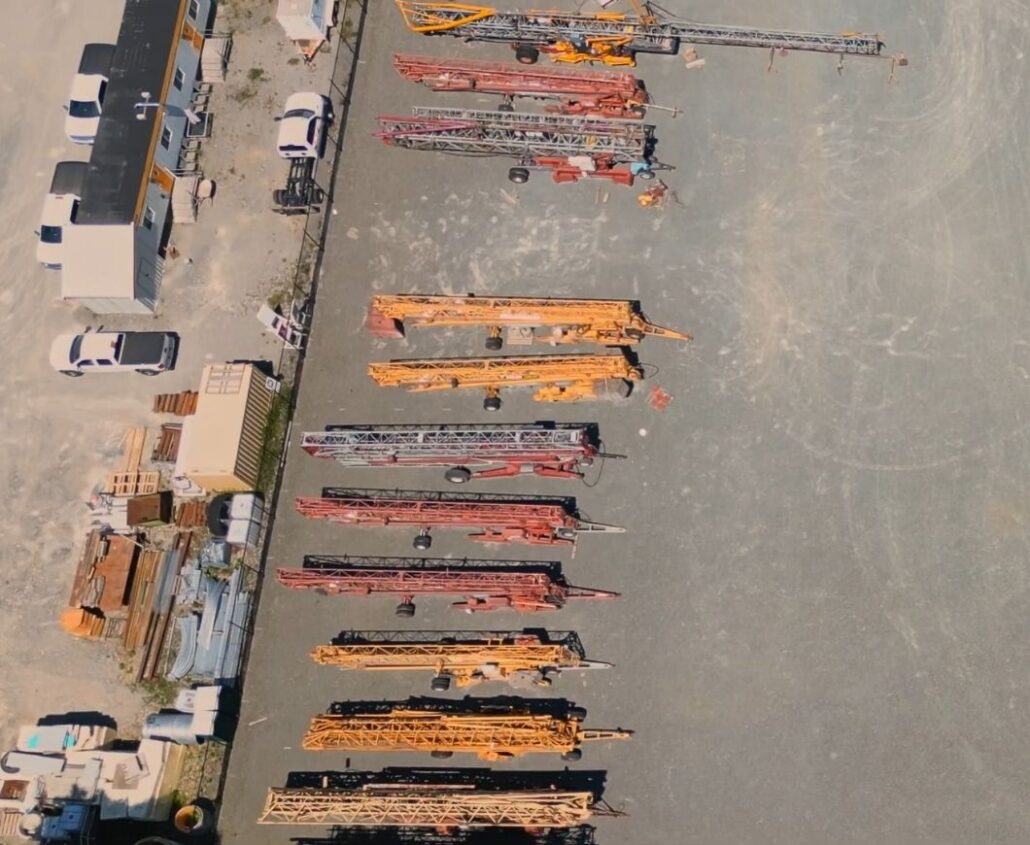
Bigfoot maintains a clean gravel yard with strong drainage, protecting crane bases from standing water and surface wear, a key part of Why Secure Crane Storage Matters in long term equipment protection. The property is enclosed with eight foot fencing fitted with razor wire, limiting unauthorized access and creating a controlled environment for all equipment. Well placed lighting improves visibility at night, supporting safety and reducing blind spots. Bigfoot also designs yard layouts to minimize equipment movement risk, ensuring cranes can be parked and retrieved without accidental contact or delays.
Visibility and Documentation
Bigfoot’s camera monitoring operates twenty four seven, allowing any unusual activity to be noticed quickly. Every crane that arrives receives a detailed storage report documenting all parts and accessories, and the same is done when equipment departs, giving owners clear records and peace of mind. Power washing is included in the storage rates, ensuring machines remain clean and inspections can be completed efficiently.
Operational Efficiency
Storing cranes with Bigfoot reduces technician travel time because inspections, light service, and preparations happen in one central location. Mobilization is also easier since the yard is located near Highway 1, allowing cranes to move to projects quickly. These operational advantages help maintain equipment readiness, reduce downtime, and support smoother project planning.
Decision Checklist: How to Choose the Right Storage Option
Choosing the right storage option starts with clear questions that align equipment needs with operational realities. Owners benefit from thinking ahead and matching storage type to both timing and protection requirements.
A practical checklist begins with understanding how long the crane will realistically sit idle and how soon it needs to be redeployed. Quick access is critical for some machines, while others can remain in longer term storage without impacting project schedules. Consider whether the equipment requires inspection, cleaning, or light maintainance before its next use. Budget planning also matters, since short term storage may offer flexibility while long term arrangements support predictable costs. Security level should factor into the discision, as higher risk locations demand stronger fencing, monitoring, and controlled access. Using these questions helps owners select a storage solution that protects value, keeps machines ready, and supports smoother planning across both projects and seasonal cycles.
Conclusion
Proper storage protects cranes, preserves their value, and supports smooth operations across every project. Understanding short term and long term options allows companies to match storage to schedules, asset priorities, and budget considerations. Equipment that sits in secure, well managed yards returns to work faster, with fewer repairs, less downtime, and greater operational confidence. Bigfoot Crane Company provides storage solutions designed to meet these needs, combining secure fencing, twenty four seven monitoring, organized layouts, and flexible terms. Equipment owners can rely on Bigfoot to keep cranes protected, accessible, and ready for every stage of their work.