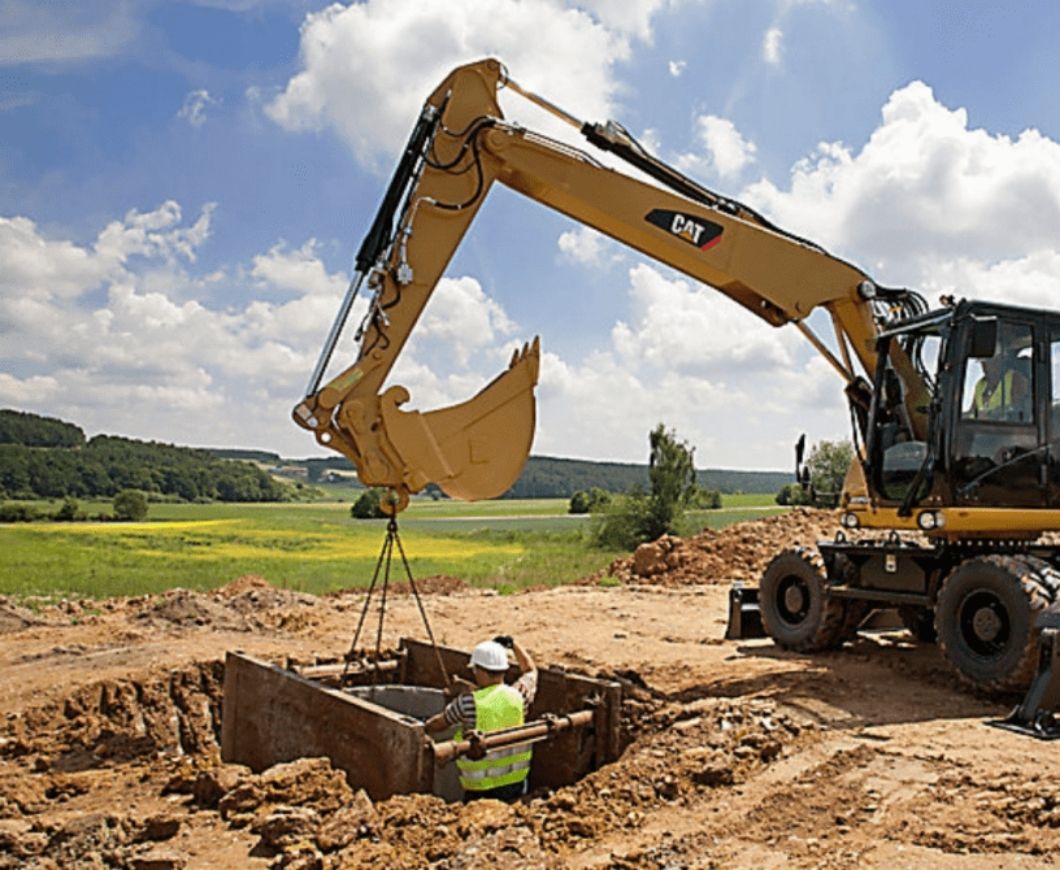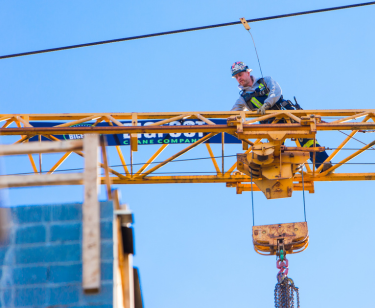
Construction projects depend on heavy lifting equipment that carries serious financial value and operational weight across every job site. Cranes often sit between projects, and that downtime can feel harmless until hidden risks begin to surface. Yet storage decisions frequently receive little attention, even though poor choices can quietly lead to costly damage, lost time, and rising repair bills. Busy schedules, tight budgets, and shifting timelines often push storage planning aside, which leaves equipment exposed in ways that owners never intended. That gap between intention and practice creates real problems that affect safety, performance, and long term asset value.
The risks behind improper storage are easy to overlook until a problem occurs. Theft remains a constant concern for unattended yards, especially when valuable components sit in open areas without proper protection. Weather exposure can weaken electrical systems, wear down finishes, and shorten the working life of key parts. Idle equipment also brings hidden maintenance costs that grow when inspections and basic care are delayed. Secure storage offers a practical way to reduce these threats while giving owners confidence that equipment stays protected between projects. This article will unpack these risks and show how professional storage solutions support smarter equipment management.
Understanding the Value of Crane Equipment
Cranes represent one of the largest investments many construction businesses will ever make, and that financial reality shapes how every piece of equipment should be treated between projects. Purchase costs often reach into significant figures, while replacement after loss or damage can place serious strain on operating budgets. Replacement parts, specialist components, and technical inspections also carry ongoing expenses that add up quietly over time. Owners and site managers understand that each crane represents both financial commitment and operational responsibility. This financial weight explains why every decision connected to handling, movement, and storage deserves careful thought.
Project schedules rely on cranes to keep work flowing and to keep crews productive across every phase of a build. Delays appear quickly when equipment fails, when inspections uncover preventable issues, or when machines return from poor storage in unsafe condition. Teams often plan lifts, deliveries, and labor around crane availability, which means a single setback can affect many other tasks on site. Reliable equipment supports smoother coordination between contractors, suppliers, and supervisors who depend on consistent performance. Strong productivity follows when machines operate as expected, which supports healthier margins and steadier cash flow. Careful storage plays a quiet yet powerful role in protecting that performance between contracts. Equipment that remains clean, secure, and properly checked while idle returns to work faster and while fewer surprises. Business owners who respect the true value of their cranes tend to view storage as part of asset care rather than a secondary concern today daily.
The Risks of Improper Storage
Construction companies often focus heavy on how cranes perform on active sites, yet the period between projects can expose equipment to serious and lasting harm. Storage conditions influence how long machines stay reliable, how safe they remain to operate, and how predictable project schedules become. Poor storage choices may appear harmless at first, but small gaps in security or care tend to grow into larger problems that affect budgets, timelines, and safety standards across future jobs.
Theft and vandalism
Open yards and lightly secured lots attract attention from people who see unattended machinery as an easy target. Cranes contain valuable parts such as control panels, cables, engines, and fuel systems, which can be removed quickly and sold. Vandalism also remains common in locations without fencing or regular monitoring, leaving equipment damaged even when nothing is stolen. Owners often discover these issues only when preparing equipment for transport or redeployment, which creates stress and costly delays.
Financial impact follows quickly after any theft or damage. Replacement parts are expensive, and full equipment replacement can disrupt capital plans that took years to build. Repair timelines often stretch into weeks, placing projects on hold while crews and contractors wait. Clients rarely welcome delays, and strained relationships can follow when deadlines slip because of missing or damaged machines. Project managers also face pressure to reorganize schedules, labor, and material deliveries around equipment that should have been ready to work.
Insurance coverage adds another layer of complexity. Many policies expect reasonable security measures to be in place during storage periods. Claims may be reduced or denied if equipment was kept in open areas without fencing, lighting, or access control. Paperwork, investigations, and disputes with insurers consume valuable time and attention, pulling focus away from daily operations. What begins as a storage shortcut can quietly turn into a costly legal and financial challenge that lingers long after the original incident.
Weather and environmental damage
Weather remains an invisible threat that works slowly but persistently on idle equipment. Rain, snow, dust, heat, and strong sunlight place steady pressure on metal surfaces, wiring, seals, and electronic systems. Equipment left in open fields or poorly drained yards absorbs moisture that settles into joints and internal spaces. Over months of exposure, small patches of rust form, coatings weaken, and protective layers brake down without immediate warning.
Corrossion often begins in places that operators cannot see during quick visiual checks. Electrical connections suffer when moisture seeps into wiring harnesses, leading to short circuits or unreliable sensor readings. Rubber seals dry out or crack after long exposure to sun and temperature swings, allowing fluids to leak once machines return to service. Hydraulic systems also suffer when contaminants enter through weakened seals, reducing lifting accuracy and overall control.
Long term damage changes how equipment performs under load and how safe it remains for operators and nearby workers. A crane that appears functional on the surface may hide weakened components that struggle under stress. Unexperiented failures during lifts place people, materials, and structures at risk, creating conditions that no site manager wants to face. Repair costs rise as more components require replacement, while equipment lifespan shortens when environmental wear allerates beyond normal use patterns. Careful storage shields machinery from these slow but powerful forces that quietly reduce value and safety over time.
Idle maintenance costs and readiness
Idle equipment continues to demand attention even when it is not earning revenue. Fluids degrade, batteries discharge, lubricants settle, and seals dry out during long periods of inactivity. Machines left without regular checks often return to service with warning lights, pressure issues, or mechanical faults that require immediate attention. These problems rarely appear on schedules, yet they disrupt plans just as strongly as any on site failure.
Unplanned repairs often arrive at the worst possible moment, such as days before a new project begins or during early site setup. Technicians rush to diagnose issues, parts must be ordered, and transport schedules change to accommodate workshop visits. Crews wait while machines sit unfinished in service yards, which slows early project stages and increases labor costs. Clients notice when equipment does not arrive as promised, even when the reason lies in months of poor storage rather than recent misuse.
Operational readiness depends on knowing that equipment can move directly from storage to site with confidence. Managers plan around this expectation when organizing permits, cranes crews, and material deliveries. Poor storage weakens that reliability, turning routine deployment into a gamble. Projects begin under pressure, supervisors scramble to adjust, and safety checks grow more complicated when machines arrive in uncertain condition. Reliable inspections, controlled environments, and organized storage routines help prevent these setbacks, protecting both schedules and peace of mind for everyone involved.
What Makes Storage Truly Secure — Key Features to Look For
Careful storage planning separates basic outdoor yards from professional environments that actively protect valuable equipment. Secure yards relie on layered systems that work together to reduce risk, improve visibility, and support accountability every day and night. Attention to physical barriers, ongoing surveillance, and smart site design gives equipment owners confidence that their assets remain protected while waiting between projects.
A. Physical Security Measures
Strong physical security creates the foundation of a safe storage yard and sends a clear message that access is controlled. Tall fencing, including options fitted with razor wire, discourages unauthorized entry and reduces the chance of casual tresspass. Locked access gates add structure to site movement, allowing only approved staff and drivers to enter the property. Site managers gain better control over who comes in and who leaves, which supports clearer records and fewer security gaps. Lighting also plays a meaningful role in protection after dark. Bright, consistent lighting across the yard improves visibility while also supporting camera coverage. Bigfoot Crane Company uses fencing with razor wire across its storage areas, which reflects a serious approach to protecting client equipment.
B. Monitoring and Surveillance
Ongoing monitoring adds another layer of protection that supports physical security around the clock. Twenty four hour monitoring systems allow unusual activity to be noticed quickly instead of being discovered after damage has already occurred. Strategically placed cameras provide clear views across entry points, storage zones, and movement areas within the yard. Motion sensors add further awareness, alerting teams when activity happens outside normal patterns. Bigfoot’s 24 7 monitoring supports this level of oversight and offers steady peace of mind.
C. Ground and Site Conditions
Ground conditions influence equipment protection just as strongly as security systems. Level gravel surfaces support proper drainage, which reduces standing water around crane bases and limits moisture related damage. Organized yard layouts also support safer and smoother loading and unloading, reducing the risk of accidental contact between machines.
How Secure Storage Reduces Lifecycle Costs
Secure storage supports stronger financial control across the full life of crane equipment because fewer surprises appear when machines return to active use. Equipment kept in protected yards faces fewer sudden breakdowns, which reduces the need for emergency repairs and last minute parts orders. Maintenance teams gain the ability to plan service work calmly instead of reacting to urgent failures under time pressure. That stability helps protect project schedules and keeps repair spending predictable across the year.
Environmental protection also plays a major role in long term value. Cranes stored in controlled conditions face less exposure to moisture, extreme temperatures, and direct sunlight, which slows wear on surfaces, seals, and electrical systems. Slower wear supports healthier resale value and reduces the pace of depreciation, which matters deeply for companies that manage large fleets. Equipment that stays cleaner and better protected also returns to service faster, supporting smoother deployment and stronger productivity across job sites.
Managed storage yards also reduce indirect costs that many businesses overlook. Technicians spend less time traveling between scattered storage locations when equipment stays centralized in organized yards. Inspections, light servicing, and preparation tasks happen more efficiently in one place, which supports better use of labor and time. Over months and years, these practical savings add up and reforce the value of secure storage as a smart operational decision.
Choosing the Right Storage Partner
Selecting the right storage partner has a direct impact on how well crane equipment maintains value, readiness, and safety between projects. Choosing a provider that combines strong infrastructure, attentive service, and flexible options ensures that equipment remains protected while supporting smooth operations. Companies often overlook these factors when focusing solely on cost, but the right storage arrangement provides long term peace of mind and operational efficiency.
Reputation and Industry Experience
A provider’s history and standing within the construction and industrial sectors speak volumes about reliability. Providers known for manageng high value equipment demonstrate the ability to handle complex storage needs and maintain consistent standards. Bigfoot Crane Company’s presence in the industry reflects years of hands on work with cranes, which reassures clients that their equipment receives careful attention.
Yard Infrastructure and Security Capabilities
Secure fencing, controlled access, lighting, and monitoring systems are critical for protecting machinery. Well designed storage layouts and quality ground conditions support safe movement, efficient loading, and reduced environmental wear. Bigfoot’s yard combines fencing with razor wire, 24 7 monitoring, and level gravel lots to create a secure and practical environment for cranes of all sizes.
Flexibility and Additional Services
Providers who offer flexible short term or long term agreements allow equipment owners to match storage to project schedules. Extra services, such as cleaning, inspection, and basic maintenance, reduce downtime and enhance equipment readiness. Bigfoot’s integrated service model packages these features together, giving clients a reliable and convenient storage solution that protects equipment value while supporting operational efficiency.
Conclusion
Cranes and heavy equipment carry significant value, and improper storage exposes them to theft, weather damage, and unexperiented maintenance costs. Protecting these assets between projects safeguards their performance, extends their lifespan, and helps keep schedules on track. Investing in secure storage turns what is often seen as a necessary expense into a practical step that preserves operational efficiency and reduces surprises. Bigfoot Crane Company offers storage solutions designed to keep equipment safe, monitored, and ready for work, giving owners confidence that their machines remain protected and prepared for every project ahead.