
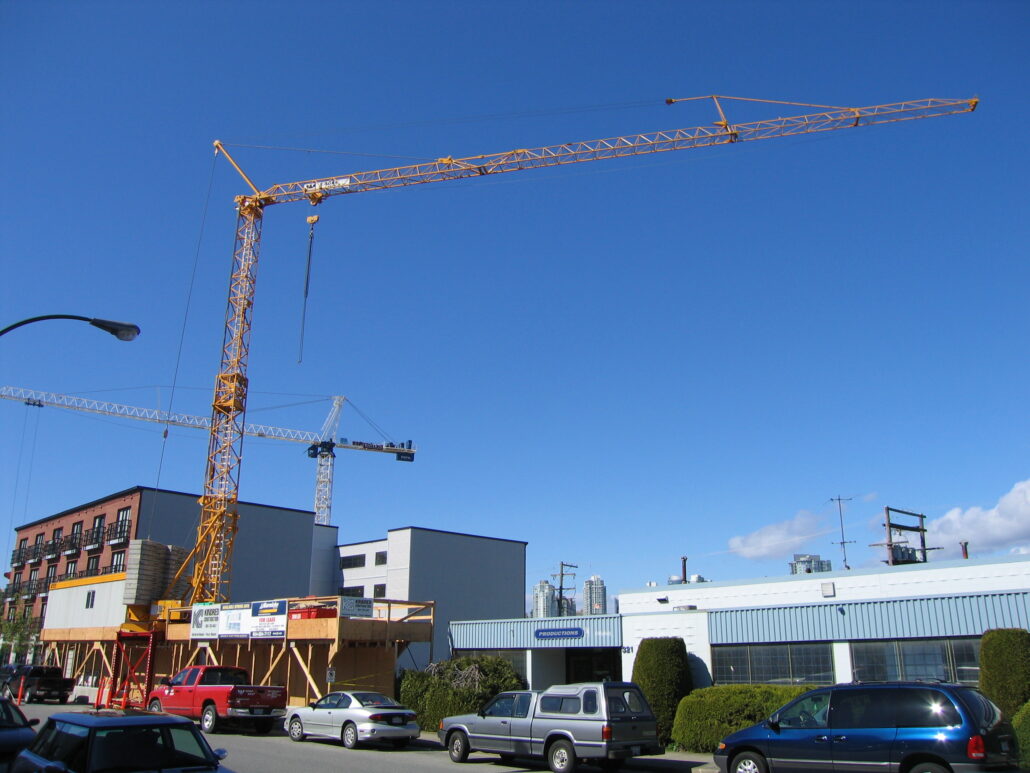
Careful tower crane project planning often begins long before the crane arrives on site. Project managers usually sit with drawings, schedules, and a long list of questions while the project still feels manageable. A single oversight in planning can surface weeks later during a lift that suddenly feels rushed or unclear. Teams that treat crane activity planning as part of daily project thinking tend to avoid that tension. Clear documents, practical templates, and regular coordination create structure that supports safe lifts and steady progress.
Construction sites rarely move in straight lines, and crane work sits at the center of many moving pieces. Operators, riggers, engineers, subcontractors, and site supervisors rely on shared plans that explain who does what and when. Poor documentation creates quiet confusion that spreads across crews. Lift coordination meetings become reactive, tasks overlap, and small delays grow into schedule problems. A thoughtful site planning crane approach gives teams clarity. Written plans, updated forms, and visible responsibilities help maintain compliance, support safe operations, and keep daily work organized.
Essential Templates for Project Planning
A well organized planning process begins with clear templates that guide the work before the crane ever moves on-site. Project teams often assume everyone understands the steps involved in tower crane project planning, yet field experience shows that written templates remove guesswork and keep coordination steady across contractors, engineers, and operators. Templates also support crane activity planning because they create a shared structure that every team member can follow. When each document sits in the crane binder and reflects the real conditions on site, planning discussions shift away from confusion and toward execution.
Crane Binder Structure and Required Documents
Every crane operation should begin with a clear binder structure that holds the key planning records. Documents usually include mobilization forms, crane specifications, engineering approvals, site planning crane layouts, and communication records between contractors and suppliers. Organized binders allow supervisors, inspectors, and operators to find information quickly during meetings or site reviews.
SWP and SJP Templates for Site and Crane Specific Activities
Safe work practice and safe job procedure templates guide how crews perform tasks around the crane. Site conditions, lifting zones, and nearby structures shape these procedures, so templates must allow space for project details rather than generic instructions. Clear SWP and SJP records help crews understand the steps expected during lifting operations.
Overlap Procedure Forms for Multi Equipment Sites
Construction sites often operate several cranes or lifting devices at once. Overlap procedure forms document communication rules, movement limits, and coordination steps between equipment. Written overlap procedures help prevent confusion when multiple operators share the same airspace.
Maintenance and Inspection Schedules from Daily to Annual
Planning templates should include maintenance and inspection schedules that track daily checks, periodic servicing, and annual reviews. Scheduled records support safe operation and confirm that crane activity planning includes mechanical readiness.
Operator Orientation and Competency Records
Orientation records confirm that operators and rigging crews understand site conditions and crane configuration. Competency documentation also supports site planning crane coordination because every team member knows the expectations attached to their role.
Project Timeline and Task Assignment Templates
A structured project timeline connects crane activities with construction milestones. Task assignment templates identify who prepares documents, who reviews them, and who confirms completion. Clear timelines keep tower crane project planning aligned with the wider construction schedule.
How to Coordinate Stakeholders
Effective tower crane project planning depends on steady communication between everyone involved in the project. General contractors, crane suppliers, engineers, supervisors, and subcontractors must share updates before major lifting activities or equipment changes take place. When coordination is weak, small misunderstandings often grow into delays or safety concerns that could have been prevented through simple alignment. Regular conversations keep lift decisions clear and reduce confusion on site.
Project teams should schedule coordination meetings before mobilization and again before key operations such as erection, climbing, or repositioning. During these meetings, participants review lift plans, site planning crane layouts, and any identified hazards. Clear minutes should be recorded and stored inside the project binder so decisions and assigned actions remain documented. This record supports accountability and improves transparency across all parties.
Each stakeholder needs defined roles and responsibilities so tasks do not overlap or get ignored. One person may manage documentation, another may verify operator certificates, and someone else may monitor lift coordination. Keeping documentation current and accessible through a structured system strengthens crane activity planning and ensures that updates reflect real site conditions.
Best Practices for Documentation and Communication
Strong project execution depends on clear records and steady communication. When teams align documentation with daily activity, misunderstandings reduce and audit readiness improves. Tower crane project planning works best when forms, checklists, and meeting notes reflect actual site conditions. A simple but structured approach keeps everyone on the same page and supports smooth crane activity planning.
Use CSA Z248 Language in All Forms and Checklists
All documentation should follow recognized standards such as CSA Z248 wording and definitions. Using consistent terminology reduces confusion between supervisors, engineers, and inspectors. Forms that reflect standard language also make it easier to demonstrate compliance during reviews. When updates occur, templates must be revised so they remain aligned with current standards and site conditions.
Keep Digital and Physical Records Organized and Accessible
A reliable system combines a well maintained physical binder with a secure digital backup. Documents should follow a clear file structure that separates lift plans, maintenance records, operator certificates, and site planning crane materials. Version control prevents outdated files from being used during inspections. Quick access to records saves time during audits and project meetings.
Train Team Members on Documentation Requirements
Everyone involved in crane operations should understand how to complete forms, update logs, and store records correctly. Regular training sessions reinforce accountability and improve consistency. Clear guidance strengthens communication and supports long term reliability in documentation management across the project.
Common Mistakes and How to Avoid Them
Even well planned projects face setbacks when documentation and coordination are not monitored closely. Many issues in tower crane project planning do not come from equipment failure but from weak record updates or unclear communication between teams that are working under tight schedules. Recognizing these recurring problems early allows project managers to fix gaps before they turn into audit findings or delays on site.
Missing or Outdated Documentation
One common problem appears when records inside the project binder remain incomplete or unsigned after changes happen during construction. Lift plans, certificates, and maintenance logs sometimes stay in draft form or reflect older site conditions that no longer apply. When inspectors review the crane binder and find missing approvals or outdated information, teams often need time to track down records and correct them. Regular internal reviews and assigning one responsible person to check documents each week help keep files accurate and aligned with current operations.
Poor Communication Between Teams
Breakdowns frequently occur when updates do not reach everyone involved in crane activity planning. Engineers may revise a lift plan, but operators and riggers might continue using an older version that does not reflect new conditions. Subcontractors may assume procedures remain unchanged after a schedule adjustment. Holding regular coordination meetings and sharing updates through a central platform improves clarity and keeps all parties working from the same approved documents.
Not Updating Plans After Changes
Site conditions, regulations, and crane configurations change throughout the project lifecycle. Plans and templates must be reviewed and updated after major adjustments to maintain accuracy. If revisions are delayed, documentation no longer reflects reality, which weakens compliance and creates confusion during inspections or audits.
Sample Project Planning Templates
Practical templates make tower crane project planning easier because teams do not start from scratch every time a new project begins. A structured set of forms inside the project binder supports consistent crane activity planning and reduces confusion during setup or inspections. Standard templates typically include a binder checklist that lists required documents, a safe work practice form, an overlap procedure form for multi crane sites, and a maintenance schedule that tracks daily to annual inspections. Each template should contain clear fields for dates, responsible persons, and required signatures so accountability remains visible. When teams use the same format across projects, training becomes simpler and audits become easier to prepare for.
Other important templates include operator orientation records and a project timeline that outlines key milestones such as mobilization, erection, climbing, and major lifts. The orientation record confirms that operators understand site hazards, crane configuration, and safety procedures before they start work. The timeline template links documentation tasks to project phases so record updates happen at the right time. Keeping these templates organized inside the crane binder or digital system ensures quick access during inspections and supports smooth coordination between supervisors, engineers, and contractors throughout the project lifecycle.
Conclusion
Clear planning starts with structured documents that guide daily coordination and long term project control. When teams use standardized forms for lift planning, documentation tracking, and task assignment, tower crane project planning becomes more predictable and easier to manage. A ready made system reduces confusion and supports stronger crane activity planning across site teams.
Take control of your project documentation today and strengthen your processes with practical tools built for field use. Download planning templates to improve organization, support compliance, and keep records aligned with site requirements and inspection expectations.