
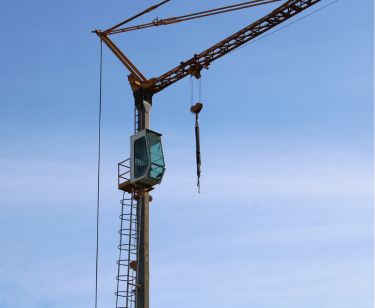
Projects that involve tower cranes carry responsibility beyond lifting steel and concrete into place. The paperwork that supports the lift matters just as much as the equipment on site because regulators and inspectors review documentation before they review performance in the field. The NOP-TC requirements exist to confirm that a project has planned ahead, gathered proper records, and aligned operations with provincial safety expectations before a crane is erected or put into service.
Many teams treat the NOP-TC submission as a formality that must be completed before mobilisation, yet in practice it becomes the first document examined during inspections or after an incident. If details are missing, outdated, or incomplete, delays follow and questions arise about whether the project truly meets the WorkSafeBC tower crane requirements. That moment often creates stress because corrections must happen quickly while work is paused.
Strong preparation turns compliance into structure instead of pressure. Clear documentation supports crane compliance BC and shows that procedures, certifications, and technical details were reviewed before approval. When the submission process runs smoothly and records stay current, teams reduce uncertainty and build confidence that operations can begin with clear oversight and organised control from day one.
What is NOP-TC?
The NOP-TC refers to the formal Notice of Project process that applies to any project involving tower crane installation or operation in British Columbia. Contractors and project owners submit this notice before a crane is assembled onsite so regulators understand what equipment will be used, who is responsible, and how safety systems are organized. The process creates a clear record that planning occurred before the activity started, rather than after work was already underway.
The NOP-TC submission acts as a checkpoint that confirms documentation is in place before the crane touches the ground or begins lifting loads. That submission usually includes details about the crane design, operator certifications, site-specific procedures, and contact information for qualified professionals involved in the project. If the crane setup changes later, or if key personnel are replaced, the submission must be updated so records match current conditions on site.
Regulatory oversight supports enforcement of the WorkSafeBC tower crane requirements because inspectors review the submission first when checking compliance. If information is missing or outdated, questions follow, and corrections delay progress. Teams sometimes underestimate how closely the submission connects to daily operations. When handled properly, it reflects real planning and accountability instead of paperwork completed at the last minute before mobilization.
Why NOP-TC and WorkSafeBC Compliance Matter
Projects that involve tower cranes carry risk tied to height, heavy loads, and coordination between many trades working in shared space. When documentation stays organized and aligned with regulations, teams reduce uncertainty before equipment arrives on site. The connection between the NOP-TC requirements and daily operations often determines how smoothly inspections unfold and how quickly issues get addressed. A project that treats compliance as a checklist after setup usually faces pressure later when corrections become urgent.
Inspectors focus heavily on records when reviewing WorkSafeBC tower crane requirements. They check operator certifications, site procedures, engineering details, and proof that the crane configuration matches approved plans. If documents are missing or inconsistent, questions arise before anyone looks at the steel structure itself. That pattern shows how audit protection begins with paperwork that reflects real planning instead of assumptions.
Strong crane compliance BC practices lower the chance of project shutdowns caused by incomplete submissions or outdated procedures. Teams sometimes assume that safety performance in the field speaks for itself, yet regulators often review files first and compare them against what they observe on site. When records align with actual activity, confidence increases during inspections and disputes decrease.
Clear documentation also protects owners and contractors if incidents happen. Having updated records ready shows accountability and preparation. That level of readiness creates stability and helps projects move forward without unnecessary interruptions tied to compliance gaps.
Key Steps for NOP-TC Compliance
Getting compliance right depends on clear steps that happen before equipment reaches the site. Teams that organise documentation early usually avoid delays during review or inspection. The process becomes predictable when responsibilities are assigned and documents are collected ahead of time instead of at the last moment.
Preparation
Preparation starts with gathering all required documents that support the NOP-TC requirements. This includes operator certifications, engineering details for the crane design, maintenance records, emergency response procedures, and site specific safe work practices. The goal is to have proof ready before opening the portal instead of searching for files while filling out forms.
A complete NOP-TC checklist helps guide this stage. That checklist works as a control tool that confirms nothing gets missed. April has explained that inspectors often expect the checklist to reflect what lives inside the project binder. She noted that the document referred to in the portal should match the site binder version so there is no confusion during review. Teams sometimes assume any safe work practice document will fit, but wording matters.
Submission
The next step is completing the form through the WorkSafeBC portal submission system. All required fields must be filled accurately, and supporting documents must be attached before submission. Attention to detail here reduces back and forth corrections.
April clarified that the portal often asks for a safe work practice document. In practice, the expected document is the checklist stored inside the project binder, commonly referred to as the Crane site binder SWP. That signed checklist serves as proof that procedures were reviewed and approved before crane operation begins.
Checklist Connection
The link between the portal and the physical binder must remain consistent. What gets uploaded should match the stats on the site. When documentation aligns, audits move smoothly, and inspections focus on operations instead of missing paperwork. Clear alignment between the checklist, portal submission, and site records strengthens overall compliance.
Common Mistakes and How to Avoid Them
Tower crane compliance problems usually appear during inspections or when deadlines press teams to submit documents quickly. Small details that get missed early often turn into delays later when corrections are required before approval. Careful review before submission reduces stress and prevents avoidable back and forth with regulators.
Incorrect Use of the NOPTC Form
Errors often happen when the form is filled out without checking current site information. The NOP-TC form tips highlight the need for accurate project details, crane specifications, and responsible contacts, yet teams sometimes copy data from old er jobs without confirming updates. Missing attachments such as certifications, procedures, or supporting documents create extra questions during review. Submitting incomplete information through the portal may seem successful, but it usually results in correction requests.
Missing Input from the Crane Design Engineer
The requirement related to the Crane design engineer NOP-TC is another area where confusion appears. Some projects forget to include clear engineer contact details or approval records for the crane setup. Inspectors expect confirmation from the engineer who validated the design. When that documentation is missing, clarification becomes necessary and progress slows.
Avoiding NOP-TC Mistakes Through Review
Following a simple checklist before submission supports avoiding NOP-TC mistakes and keeps documents aligned with the WorkSafeBC portal submission. Crosschecking forms against the site binder and required attachments lowers the chance of corrections and strengthens overall compliance before crane work begins.
What to Have Ready Before Submission
Preparation before filing the paperwork determines how smooth the review process becomes. Teams that organise documents early avoid last minute stress when the portal opens and deadlines approach. The focus should stay on complete records that reflect real site conditions under Tower crane documentation BC standards.
Key Items to Prepare
- Certifications
Operator licenses, rigger qualifications, and supervisor training records should be current and signed. Inspectors often compare these documents against the names listed in the submission.
- Maintenance and Inspection Logs
Updated logs show routine checks, repairs, and equipment adjustments. These records usually sit inside the Crane site binder SWP and must match what gets uploaded in the portal.
- Emergency Procedures
Written response plans for power failure, high wind, or mechanical issues need clear approval. Having them ready reduces confusion if inspectors request proof during review.
- Engineering Information
Contact details and approval documents from the crane engineer must be available. Technical validation supports the tower crane documentation BC requirements and confirms that the setup follows approved design specifications.
Why Checklist Readiness Matters
A simple checklist that confirms each document exists before submission prevents delays. Teams sometimes assume files are complete until they cross check them line by line. Reviewing attachments against the WorkSafeBC portal submission requirements lowers the chance of missing documents and strengthens confidence that compliance expectations are met before crane operation begins.
Best Practices for Simple Compliance
Projects that handle tower crane operations run smoothly when compliance steps stay organized and repeatable instead of scattered across emails and shared drives. Using fillable PDF templates for forms and checklists keeps information consistent across projects. Teams can standardize the NOP-TC requirements forms, site procedures, and inspection records so details are entered in the same format every time. That approach lowers the chance of missing signatures or incomplete sections. When templates guide the process, documentation becomes easier to review before sending through the portal.
A structured digital binder system should store operator certifications, engineering approvals, maintenance logs, emergency procedures, and the signed Crane site binder SWP. Keeping documents uploaded and organized means they are ready for audit or immediate submission through the system. If inspectors request records, teams avoid searching through folders because everything stits in one accessible location.
Staff need clear training on the NOP-TC process and related WorkSafeBC expectations so everyone understands their responsibility in the workflow. Assigning roles prevents confusion about who gathers documents or submits updates. Documentation should get reviewed on a regular schedule to confirm it matches current site conditions and updated regulations. Consistent review keeps records aligned with operations and strengthens readiness for inspections and project approvals.
Resources and Where to Find Help
Projects that manage tower cranes often need direct access to reliable guidance when questions come up about forms, documentation, or regulatory expectations. Official sources provide clarity when teams are unsure how to interpret specific sections of the NOP-TC requirements or how to complete the WorkSafeBC portal submission correctly.
The first reference point is the guidance published by WorkSafeBC on tower crane requirements and submission procedures. Their website explains documentation expectations, approval steps, and inspection priorities tied to compliance. Another strong source of support comes from BC Crane Safety, which provides additional clarification around operator certification and technical standards connected to crane operations.
When questions cannot be resolved through online resources, the WorkSafeBC Prevention Line offers direct assistance. Calling for clarification before submitting forms often prevents errors that lead to corrections later. Teams that confirm details early reduce delays linked to missing information. Keeping these resources bookmarked inside the project compliance folder or digital binder helps staff access support quickly whenever uncertainty appears during planning or submission.
Lessons from the Field (April’s Real-World Examples)
Real project experience shows how careful preparation around the NOP-TC requirements prevents last-minute corrections and audit findings. April has shared cases where teams avoided delays simply because their documentation matched what inspectors expected during review. When the NOP-TC submission included complete certifications, engineer contact details, and updated procedures, approval moved forward without back-and-forth revisions.
On sites where records were missing or outdated, work stopped while corrections were made. Those situations highlight how organized paperwork inside the Crane site binder SWP protects project timelines. Clear documentation reduces surprises and strengthens confidence during inspections tied to tower crane requirements.
Conclusion
Tower crane projects move fast, and compliance gaps often surface only when inspections begin or paperwork gets reviewed. A structured review before crane mobilization helps confirm that the NOP-TC requirements are complete, documents align with the WorkSafeBC tower crane requirements, and the NOP-TC submission reflects current site conditions.
Booking a compliance readiness review provides a clear check on forms, certifications, and the Crane site binder SWP so teams can correct issues early instead of reacting to findings later. Early preparation protects timelines and reduces uncertainty before work starts.