
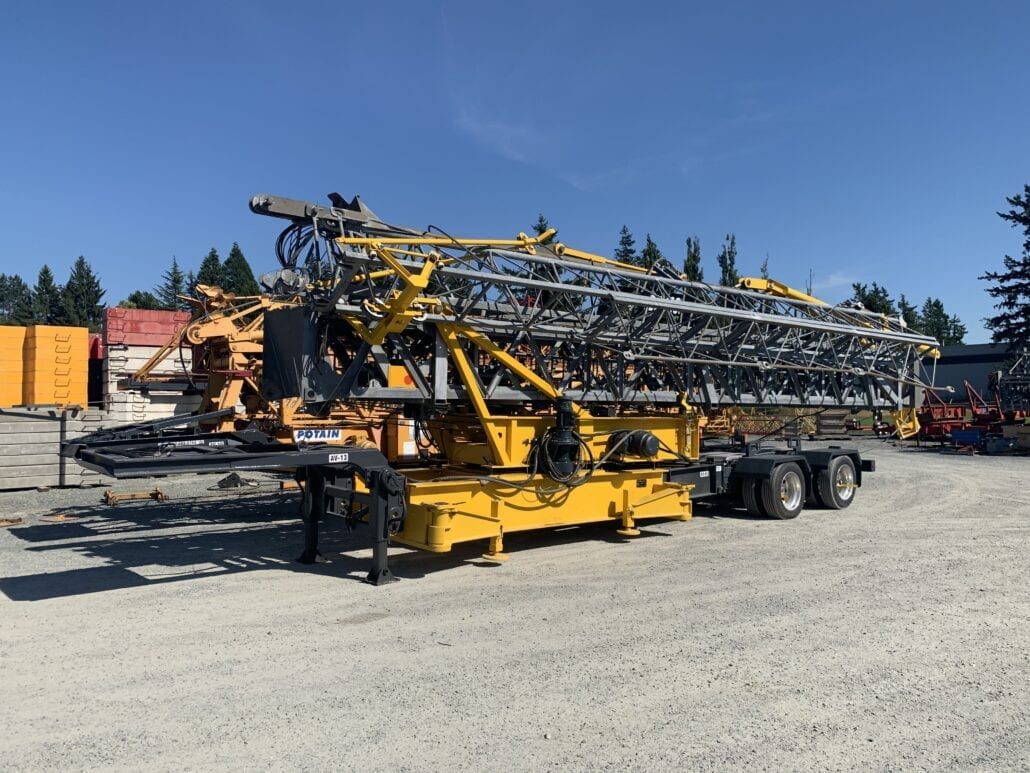
Moving a tower crane to a construction site involves careful planning, precise logistics, and skilled coordination, making it one of the most complex aspects of construction operations. Proper crane transport and setup are critical for both safety and efficiency, as mistakes during transit or assembly can lead to delays, equipment damage, or hazards for personnel. Understanding each step of tower crane installation ensures that you can manage the process with confidence, from dismantling and transport to on-site assembly. This article guides you through the full crane setup process, showing practical strategies and precautions that help maintain smooth operations while protecting both your team and the equipment.
Planning and Preparation Before Transport
When transporting a tower crane, every detail, from the crane’s specifications to the access routes and legal requirements, must be carefully considered. Proper planning ensures that the crane arrives safely, avoids delays, and is ready for efficient installation. Overlooking even small elements can result in costly setbacks, safety risks, or damage to the equipment. Understanding what steps to take before transport allows you to coordinate smoothly with your team, anticipate challenges, and keep the project on schedule.
Assessing Crane Type, Height, and Weight
Before arranging transport, you need to evaluate the crane’s specifications. The type of tower crane, overall height, mast sections, and total weight determine the type of transport vehicles required. Oversized or unusually heavy components may need specialized trailers or lifting equipment. Accurate measurements help you plan lifts, balance loads, and ensure that each section can be moved safely without risking damage or instability.
Surveying the Construction Site
Site access and foundation readiness must be confirmed before transport begins. Surveying the location allows you to identify obstacles, such as narrow roads, low bridges, or overhead lines. Checking ground conditions and crane foundations ensures that the site can safely accommodate the crane once it arrives. Early identification of potential issues prevents last-minute adjustments that could delay the project.
Permits and Coordination with Authorities
Transporting large crane components often requires permits and coordination with local authorities. Oversized loads, restricted roads, or timing constraints must be approved to comply with regulations. Securing permits in advance and communicating with traffic or municipal officials reduces the risk of fines, delays, or rerouting during transport.
Planning Logistics and Routes
Mapping out the transport route is essential to handle weight limits, bridge clearances, and traffic patterns. Scheduling the movement during low-traffic periods and coordinating with your team ensures that each crane section can be delivered safely. Thoughtful planning minimizes risk, keeps the transport on schedule, and allows for a smooth transition to the crane setup process.
Crane Dismantling and Loading for Transport
Dismantling a tower crane and preparing it for transport is a meticulous process that requires careful attention to detail and coordination. Every section must be handled safely to prevent damage, and critical components need to be secured properly to maintain balance during transport. Effective dismantling not only protects the crane but also ensures that reassembly on-site will proceed efficiently. Following a structured approach allows you to manage each stage with confidence, reduce the risk of accidents, and maintain project timelines.
Step-by-Step Dismantling
The crane must be dismantled in a planned sequence, starting with the jib, followed by mast sections, and finishing with the base and counterweights. Each component is separated carefully, ensuring that pins, bolts, and fastants are removed systematically and stored for later use. This approach prevents confusion during reassembly and reduces the risk of damage to delicate parts.
Securing Critical Components
Components such as the jib, mast sections, and counterweights must be secured individually to maintain stability during transport. Protective padding or covers prevent scratches and impact damage, while tie-downs or braces keep heavy parts from shifting. Proper handling of these elements is essential to avoid accidents or costly repairs.
Loading onto Transport Vehicles
Cranes, forklifts, or heavy-lift equipment are used to load dismantled sections onto trucks or trailers. Each load must be carefully balanced, with weight distributed evenly to prevent tipping during transit. Labeling every section ensures that assembly crews can identify parts quickly, streamlining the on-site installation process.
Protective Measures and Load Management
In addition to securing and labeling components, protective measures such as edge guards, straps, and braces prevent movement and reduce exposure to vibration or impact. Balanced loads, combined with careful documentation, ensure that transport proceeds safely and efficiently, minimizing the risk of damage or delays during transit.
Transporting the Crane to the Site
Transporting a tower crane to a construction site requires precise coordination and careful planning to ensure safety and prevent delays. Specialized vehicles, such as heavy-duty trailers or modular transporters, are necessary to handle the weight and dimensions of dismantled crane sections. Each load must be carefully monitored, with weight distribution adjusted to maintain balance and stability throughout the journey. Securing all components with straps, braces, and protective padding prevents shifting during transit, reducing the risk of damage to critical parts. Close attention to the transport process allows you to maintain control over the crane sections, ensuring they arrive on site in optimal condition for installation.
Managing external factors is equally important during crane transport. Traffic patterns, road restrictions, and weather conditions can create obstacles that require proactive solutions. Surveying routes in advance and coordinating with local authorities helps you navigate bridges, intersections, and narrow lanes safely. Planning for site access challenges ensures that vehicles can approach unloading points without unnecessary delays or hazards. Careful transport practices, combined with thorough preparation and oversight, minimize the security risk of damage, avoid costly interruptions, and set the stage for a smooth tower crane setup process that keeps the project on schedule.
On-Site Crane Setup Process
Precision, coordination, and adherence to safety protocols are essential during tower crane setup to ensure safe operation. Proper foundation preparation and careful assembly ensure that the crane operates reliably, safely, and efficiently. Each step of the setup process, from erecting the mast to testing functions, must be executed systematically to prevent accidents and avoid delays. Understanding the detailed procedures allows you to manage the installation with confidence, ensuring that the crane is ready to handle lifting operations without compromising project timelines.
Preparing the Foundation and Base
The foundation forms the structural support for the entire crane, making its preparation essential. You must ensure that the base is level, stable, and capable of supporting the crane’s weight, including counterweights and operation loads. Proper site grading and reinforcement provide the stability required for safe assembly and long-term operation.
Step-by-Step Assembly
Assembly begins with erecting the mast sections, followed by attaching the jib, counterweights, and operator cab. Each component is secured carefully with bolts and fasteners according to manufacturer specifications. Using mobile cranes or self-erecting mechanisms allows precise positioning of heavy sections while minimizing risk to personnel.
Alignment, Leveling, and Bolt Security
During assembly, checking alignment and leveling is critical to ensure the crane functions correctly. Every bolt and connection must be tightened and verified to prevent structural instability. Correct alignment guarantees smooth rotation, accurate lifting, and safe operation under load.
Functional Testing
Once assembly is complete, initial functional tests confirm that electrical, mechanical, and safety systems operate as intended. Testing ensures the crane responds correctly to controls, lifts smoothly, and maintains stability. Comprehensive on-site setup and testing create a foundation for safe, reliable tower crane operation throughout the project.
Safety Measures During Installation
Ensuring safety during tower crane installation starts with equipping all personnel with appropriate personal protective equipment. Helmets, gloves, safety boots, high-visibility clothing, and harnesses protect workers from potential hazards while handling heavy components. Establishing lockout and tagout procedures, along with clearly defined exclusion zones, prevents unauthorized access and reduces the risk of accidental energization or injury during assembly. These measures create a controlled environment where each task can be carried out with minimal risk.
Close supervision of lifts and continuous monitoring of structural stability are essential throughout the installation process. Observing the alignment of mast sections, the positioning of counterweights, and the securing of bolts ensures that the crane remains stable at every stage. Following regulatory requirements and manufacturer instructions guarantees that installation practices meet safety standards. Combining protective equipment, controlled procedures, and vigilant oversight minimizes risks, safeguards personnel, and lays the foundation for a reliable and fully operational tower crane.
Common Challenges in Crane Transport and Setup
Transporting and setting up a tower crane involves multiple moving parts, and even small obstacles can create significant delays or safety risks. Anticipating potential challenges allows you to plan effectively, reduce downtime, and maintain smooth operations from delivery to full installation. Understanding common issues and implementing preventive strategies ensures that your crane setup proceeds efficiently and safely.
- Weather Delays: Rain, high winds, or extreme temperatures can slow transport or assembly. Planning for weather contingencies and monitoring forecasts helps you adjust schedules proactively.
- Road Restrictions and Site Access: Narrow roads, low bridges, or traffic regulations can complicate transport. Conducting route surveys and coordination permits in advance minimizes unexpected obstacles.
- Mechanical Issues: Equipment failure during assembly or testing can halt progress. Regular inspections and pre-checks reduce the risk of breakdowns on-site.
- Coordination Challenges: Miscommunication between transport crews and on-site teams can cause delays. Clear schedules, briefings, and communication protocols ensure everyone understands responsibilities and timing.
Conclusion
Efficient tower crane installation depends on careful planning, precise transport, and systematic on-site setup. Prioritizing safety, clear team coordination, and thorough testing ensures that every component is handled correctly and functions reliably. Following proper crane setup processes minimizes the risk of damage, prevents delays, and protects both personnel and equipment. By approaching each stage with attention and discipline, you can maintain project timelines, achieve smooth operations, and ensure that your tower crane performs safely and efficiently throughout the construction process.