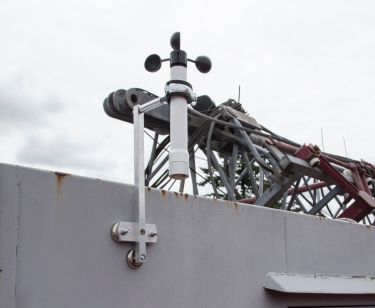
Measuring wind gives people a clearer view of something that often feels unpredictable. Although invisible, wind can shift heavy machinery, affect aircraft during takeoff, or ruin an outdoor setup in seconds. People working in construction, transportation, farming, or event planning deal with these risks regularly. When wind patterns are recorded and understood, planning becomes smarter and safer. Anemometers, which are tools for measuring wind, help teams make better choices based on real-time conditions. Knowing what to expect from the air around us turns guesswork into decisions we can rely on, which makes wind measurement worth paying attention to.
The Fundamental Reason: Wind Is a Force
Air moves because of pressure differences, and that movement is what we call wind. While it can’t be seen directly, its effects are felt in nearly every part of life. People watch trees sway, roofs lift, cranes shift, or planes struggle against crosswinds, all because of this invisible force. The stronger the pressure difference, the stronger the wind becomes, and that pressure can build without warning.
Wind pushes against buildings, disrupts flight paths, changes how waves form at sea, and redirects airborne particles without notice. That unpredictability makes it harder for professionals in construction, transport, agriculture, and energy to work safely and efficiently. Wind can throw off a heavy lift or cause delays across a delivery network.
When wind is measured, people stop guessing and start making better choices. Wind speed tells you how fast the air is moving, while direction tells you where it’s going. Together, those numbers form the basis of decisions that protect people and property. Anemometers turn air movement into readable data, giving planners a way to adjust before the wind becomes a problem. In every job that depends on timing, balance, or load, that kind of control makes a real difference.
The Importance of Wind Measurement in Various Sectors
Understanding anemometer uses in wind measurement is not just a technical exercise; it is a necessity in settings where people and equipment interact under changing outdoor conditions. Construction crews, pilots, sailors, meteorologists, and engineers rely on wind data to keep operations safe and reliable. The effects of wind are constant, whether felt as a soft breeze or experienced as a dangerous gust, and measuring that movement gives people the ability to plan, adjust, and avoid unnecessary risks.
Safety in Construction and Lifting Operations
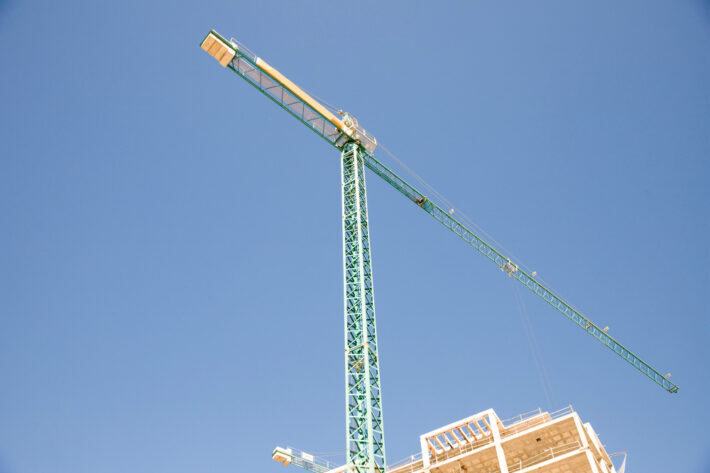
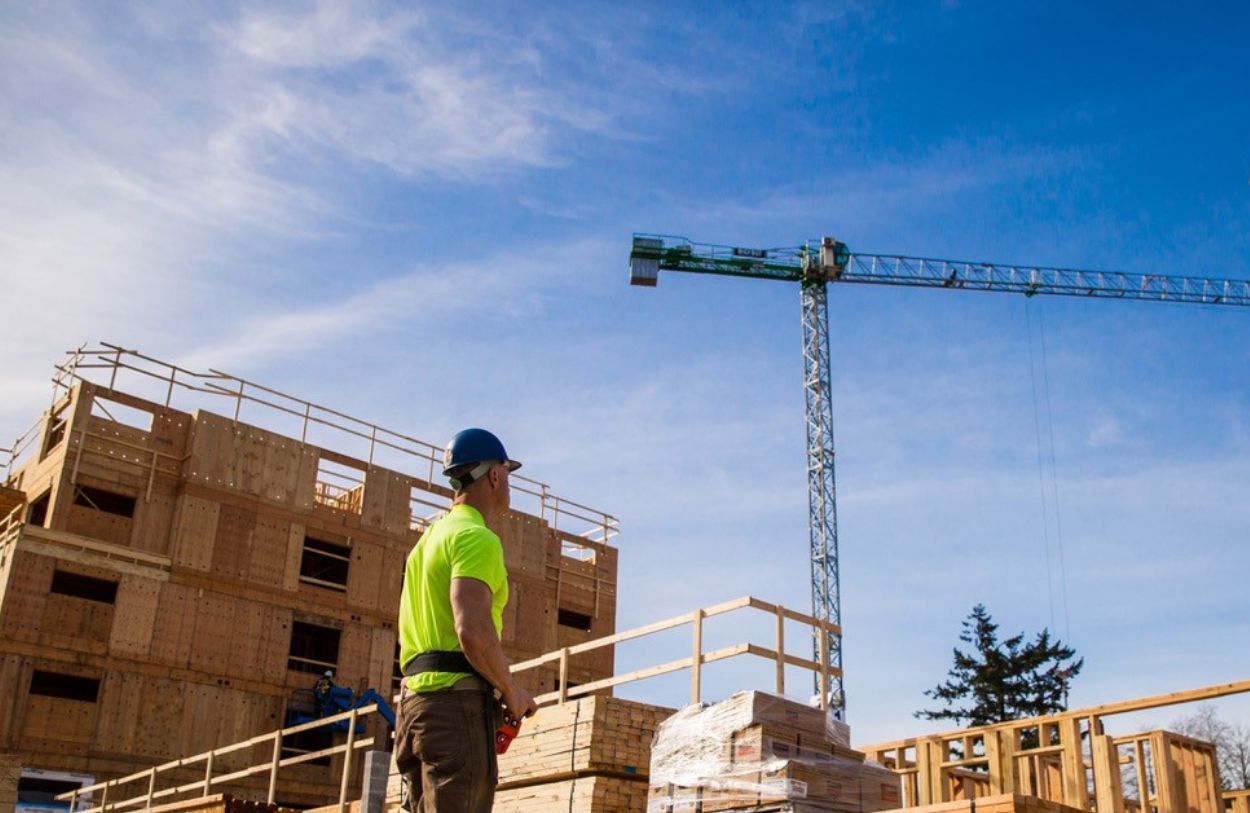
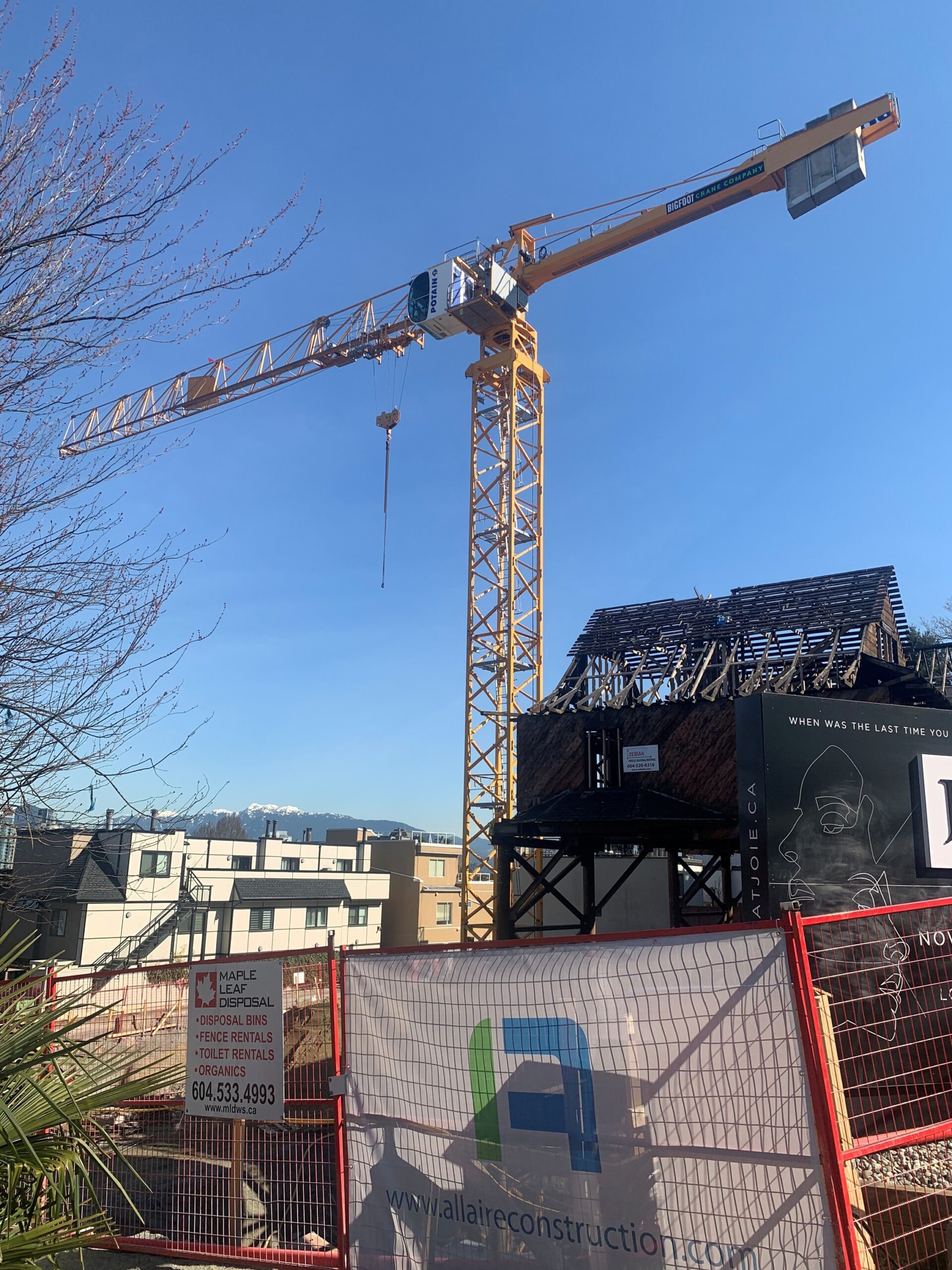
Worksites are filled with equipment that depends on balance, timing, and careful coordination. Cranes, suspended loads, scaffolding, and tower structures all respond differently when wind picks up. What may feel like a manageable breeze at ground level can become a hazardous push at higher elevations, especially where tall equipment operates.
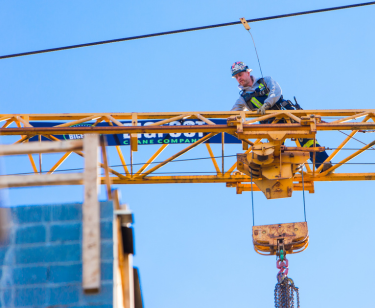
Measuring wind on site gives supervisors and crane operators the information they need to delay or modify lifts before a problem occurs. Loads that hang freely in the air can swing, twist, or spin when exposed to unexpected wind. Those movements not only create danger for workers nearby but can also damage materials or stress equipment beyond safe limits.
When teams monitor wind using handheld or mounted anemometers, they can adjust schedules, position cranes more strategically, or pause work temporarily. This is not just about safety checklists, but it is about respecting the conditions workers face in real time and helping everyone return home safely. Being informed about wind makes each decision on the job site stronger and more defensible.
Aviation and Airport Operations
Pilots and air traffic control staff rely on wind data every time an aircraft moves. It is not only the strength of the wind that matters but also its direction and how it changes at different altitudes. A crosswind on the runway can force a change in landing technique, while wind shear at higher altitudes can shake an aircraft or shift its flight path.
Every airport uses wind sensors placed around the airfield to monitor local conditions. These measurements influence runway assignments, takeoff sequences, and communication with incoming pilots. The ability to shift a plane’s approach angle or delay takeoff by a few minutes can protect passengers and crew when conditions become unstable.
Smaller airstrips and rural airports also depend on wind data. In many of those cases, on-site measurements are the only way to assess whether it is safe to fly. Pilots who operate helicopters or light aircraft use this information to choose flight paths that reduce fuel waste and increase comfort. Without reliable wind data, decisions are based on guesswork, which increases risk and limits efficiency.
Weather Forecasting and Storm Tracking
Forecasting weather patterns begins with understanding how air moves. Wind carries pressure systems, signals storm boundaries, and reveals shifts in the atmosphere long before clouds form. Meteorologists watch wind patterns to spot early signs of cyclones, hurricanes, or cold fronts.
Tracking wind direction and speed helps scientists estimate how fast a storm will develop and which areas are most likely to feel its effects. This is not only used during severe weather but also during regular forecasting that guides daily decisions in agriculture, transportation, and public services. Wind is one of the earliest signs of change in the sky, and accurate readings help build better predictions.
In many countries, weather stations placed across both land and sea gather wind data daily. This network supports public safety systems, school closings, flight delays, and power grid adjustments. Whether someone is planting crops or planning an outdoor event, they are relying, often without knowing it, on wind data that was measured, analyzed, and distributed to help them avoid problems.
Wind Energy Efficiency
Generating energy from wind requires more than placing turbines on open land. The performance of each turbine depends on how well wind patterns in the area are understood. If wind speeds are too low, generation drops. If they climb too high, turbines may stop spinning to avoid wear or damage.
Before turbines are installed, wind studies are often conducted over several months. These studies record speed, direction, and consistency, helping engineers choose locations and layouts that maximize output. It is not just about power, but it is about stability. Wind that changes too frequently or flows unevenly can lead to mechanical strain and early maintenance.
During operation, turbines use anemometers to send live data to control systems. These measurements help adjust blade angles, shift power flow, and alert teams when performance drops. That feedback loop ensures energy is collected efficiently and delivered smoothly. Monitoring the wind also helps forecast supply, allowing utility providers to prepare for fluctuations and avoid waste.
Marine and Coastal Safety
Out at sea, wind has direct control over the water’s surface and the movement of ships. Whether someone is steering a cargo vessel, launching a fishing trip, or crossing open water in a smaller boat, knowing the wind’s behavior is part of staying safe. A strong headwind can delay a ship’s arrival, while a tailwind might reduce control and lead to overshooting a target.
Wind also shapes wave height and direction, which affects docking, loading, and the safety of coastal workers. Port authorities use anemometers to decide when it is safe to bring vessels in and when traffic should pause. These tools also help them predict storm surges and prepare coastlines before flooding begins.
Recreational sailors, diving crews, and even beach patrols watch wind readings daily. A sudden change in direction can affect where swimmers drift, how fast rescue boats respond, or whether it’s safe to launch. In every marine operation, there is a clear need to understand wind before decisions are made. Reliable measurements build confidence and keep people prepared when water conditions change faster than expected.
Measuring Wind Enhances Planning
Planning without wind data leaves too much to chance, especially in situations that depend on timing, setup, or movement. Truck drivers and shipping coordinators use wind readings to adjust routes, reduce drag, and avoid trouble on exposed roads or sea passages. Drone pilots rely on wind speed and direction to stay within safe flight limits and conserve battery life.
In farming, wind conditions affect how evenly pesticides spread and whether irrigation systems deliver water effectively. Spraying during high winds often leads to waste and uneven coverage, while light breezes may carry chemicals off target. Knowing when the air is stable helps make the most of expensive inputs.
Outdoor events also benefit from wind awareness. Tents, stages, lighting rigs, and sports equipment are vulnerable to shifting wind. Event crews use anemometers to plan safe setup windows, reduce damage, and adjust layouts when needed. Real-time wind data helps teams stay responsive under changing skies.
Measuring Wind Enables Smarter Design
Design decisions are stronger when backed by real wind data. Architects and engineers study wind behavior to calculate structural loads, plan airflow, and improve comfort inside and around buildings. Understanding how wind moves across a site helps position openings, shape rooftops, and choose materials that respond better to pressure and flow.
Building orientation can also reduce heating or cooling demands, especially when wind direction is steady through the year. Designers look at both typical conditions and rare extreme events to make structures safer. Urban planners use wind patterns to support cleaner air and create healthier spaces in dense developments.
Why Precision Matters: Role of Anemometers
Accurate wind data comes from measurement, not guesswork. Anemometers provide real numbers that teams can track, compare, and act on with confidence. In high-risk environments like construction sites, airstrips, or offshore platforms, even small changes in wind speed can affect safety. Using reliable tools helps avoid blind spots. Options range from simple handheld meters to wireless anemometers that feed live data to control centers weirelessly. Precision allows faster, smarter decisions that protect people, equipment, and daily operations across different industries.
Conclusion
Bigfoot Crane helps teams harness the power of wind by delivering accurate, real-time data that supports smarter decisions and safer operations. Our advanced anemometers are designed to perform in demanding conditions across industries like construction, energy, aviation, and agriculture. We understand that every field has unique needs, and we’re here to guide you toward the right solution. Contact Bigfoot Crane today and start working with confidence backed by reliable wind measurement, not guesswork.
Construction and Crane Operations
Work at height involves constant attention to wind. On construction sites, cranes lift heavy materials that can become unstable in strong gusts. A sudden shift in wind can move a load unexpectedly or cause a crane to sway. Anemometers provide real-time wind data that helps operators decide when to lift and when to stop. Having this information available on site supports safer decisions and helps crews avoid unnecessary risks during lifting operations.
Meteorology and Forecasting
Weather experts use wind readings to track moving air masses and predict how storms or cold fronts will behave. Anemometers help meteorologists measure both the speed and direction of wind at ground level and at higher altitudes. These measurements feed into forecasting models that people rely on for planning daily activities. Whether preparing for a rainfall or monitoring a developing storm, wind data plays a central role in getting those predictions right.
Aviation Safety and Flight Management
Airports depend on accurate wind information to keep flights on schedule and safe. Runway direction, aircraft weight, and current wind conditions all influence how pilots take off or land. Anemometers near runways measure surface wind and help air traffic controllers guide aircraft during key phases of flight. In the air, wind affects route choices and fuel use. Good data helps pilots adjust and respond with confidence.
Wind Energy Monitoring
Wind turbines need a steady flow of air to work well. Anemometers are placed at turbine height to track wind speed and direction throughout the day. That information helps adjust blade angles and maintain alignment. When turbines face the wind properly, they produce more power and wear down less quickly. Wind data also helps choose the best locations for new turbines and track long-term energy output.
Marine and Offshore Use
Wind affects navigation, fuel use, and crew safety in open waters. Ships and offshore platforms use anemometers to monitor wind changes during travel or heavy lifting. Real-time data supports better planning and helps avoid sudden shifts that could lead to damage or delay.
Choosing the Right Anemometer
Choosing an anemometer starts with understanding what the job demands. Every model works to measure wind, but some are better suited for fixed locations, while others serve best in the field. The right choice depends on how and where the tool will be used.
Accuracy and Reliability
Accuracy matters when decisions rely on data. In high-risk environments like crane operations or aviation, even small errors in wind speed can create big problems. Devices that provide steady and consistent readings help teams work with better judgment and fewer interruptions.
Durability and Weather Resistance
Anemometers placed outdoors face sun, rain, and dust every day. Sturdy anemometer parts keep the device working through all seasons. Weatherproof housing, corrosion-resistant parts, and a sealed design can make the difference between a short-term fix and a long-term solution.
Mounting Type and Use Case
Some anemometers are made to stay in one place. Others need to move from site to site. Fixed units work well on rooftops, towers, and cranes. Handheld versions are better for mobile teams, inspections, or temporary setups. The choice depends on how often the tool moves and who uses it.
Useful Features That Support the Job
Extra functions can make daily tasks easier. Real-time alerts can warn a team about sudden wind changes. Digital screens make readings easier to read on the go. Logging features let users track patterns and review data over time.
Maintenance & Calibration
Regular maintenance keeps an anemometer accurate and dependable. Dust, salt, or moisture buildup can affect how well moving parts spin or how sensors respond. Cleaning the unit gently with a soft cloth and checking for any signs of wear can help prevent unexpected failures. This is especially important in outdoor, marine, or construction environments where conditions change fast.
Calibration Should Match Use and Environment
The accuracy of any wind measurement tool depends on regular calibration. Devices used every day, exposed to harsh weather, or installed in high-vibration areas should be calibrated more often than those in controlled environments. While many manufacturers suggest once a year, some sites benefit from calibration every six months. A regular schedule reduces drift and keeps readings within acceptable limits.
Knowing When to Replace or Upgrade
Keeping track of part wear can prevent unexpected downtime. Spinning parts may begin to lag, sensors may lose precision, or displays may stop responding clearly. Instead of pushing through unreliable performance, it often makes sense to replace key parts or invest in a newer model. Upgrading can also introduce features that improve daily use or reduce maintenance time.
Future Trends in Wind Monitoring
Wind monitoring is moving beyond basic readings. New anemometers now include smart sensors that connect to wider systems using IoT technology. These tools can send data instantly to phones, tablets, or control rooms.
Predictive Safety and Early Warnings
Instead of waiting for dangerous gusts, some systems now predict risk based on patterns. Alerts can warn crane operators or site managers before wind conditions reach unsafe levels.
Fully Connected Worksites
Modern anemometers are being linked with broader site systems like BIM platforms and fleet management tools. This makes wind data part of the bigger picture in planning and safety.
Conclusion
At Bigfoot Crane, we provide trusted anemometers and wind monitoring systems that support safer crane operations. Our tools give your crew the real-time data they need to make smart, informed decisions on-site. We understand how fast wind conditions can change, and we’re here to help you stay ready every day. Contact us to get the right wind solution for your job.