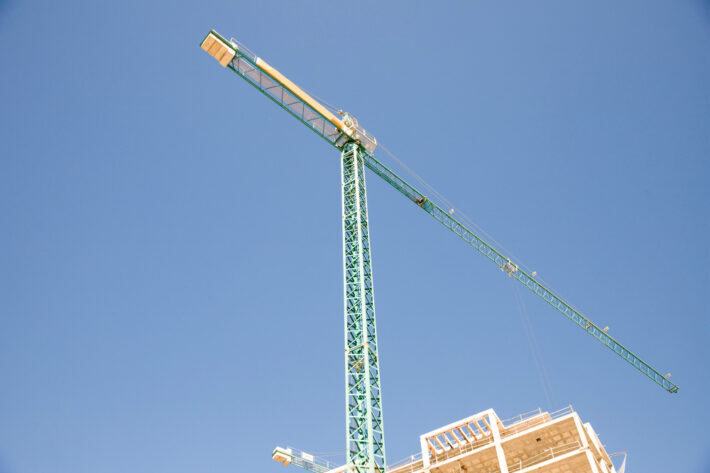

Tower cranes are sometimes left inactive for extended periods because of project delays, seasonal shutdowns, financing interruptions, labour shortages, or changing construction schedules. During these periods, the crane may remain exposed to environmental conditions and structural stress despite not operating daily. Prolonged Shutdown Requirements for Tower Cranes exist to reduce
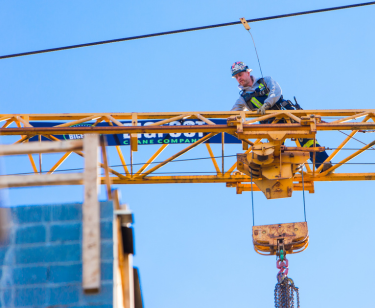
Deciding between tower crane rebuild vs replacement has become a far bigger financial and operational question than it was a decade ago. Equipment prices continue to rise, replacement lead times remain unpredictable, and tighter compliance expectations are forcing fleet owners to think further ahead. Many companies are moving away from

Crane activity across Vancouver, Surrey, Langley, Abbotsford, and nearby construction zones has been picking up steadily, and that shift is easy to notice when passing active job sites where lifting work often keeps projects moving on tight schedules. Each lift carries weight beyond the load itself, since timing, communication, and

Tower crane maintenance includes both mechanical and electrical systems, with the latter playing a critical role in controlling lifts, rotations, and safety mechanisms. Electrical faults can bring operations to a sudden halt, create serious safety risks, and increase repair costs, placing pressure on project timelines. Regular electrical inspections and consistent
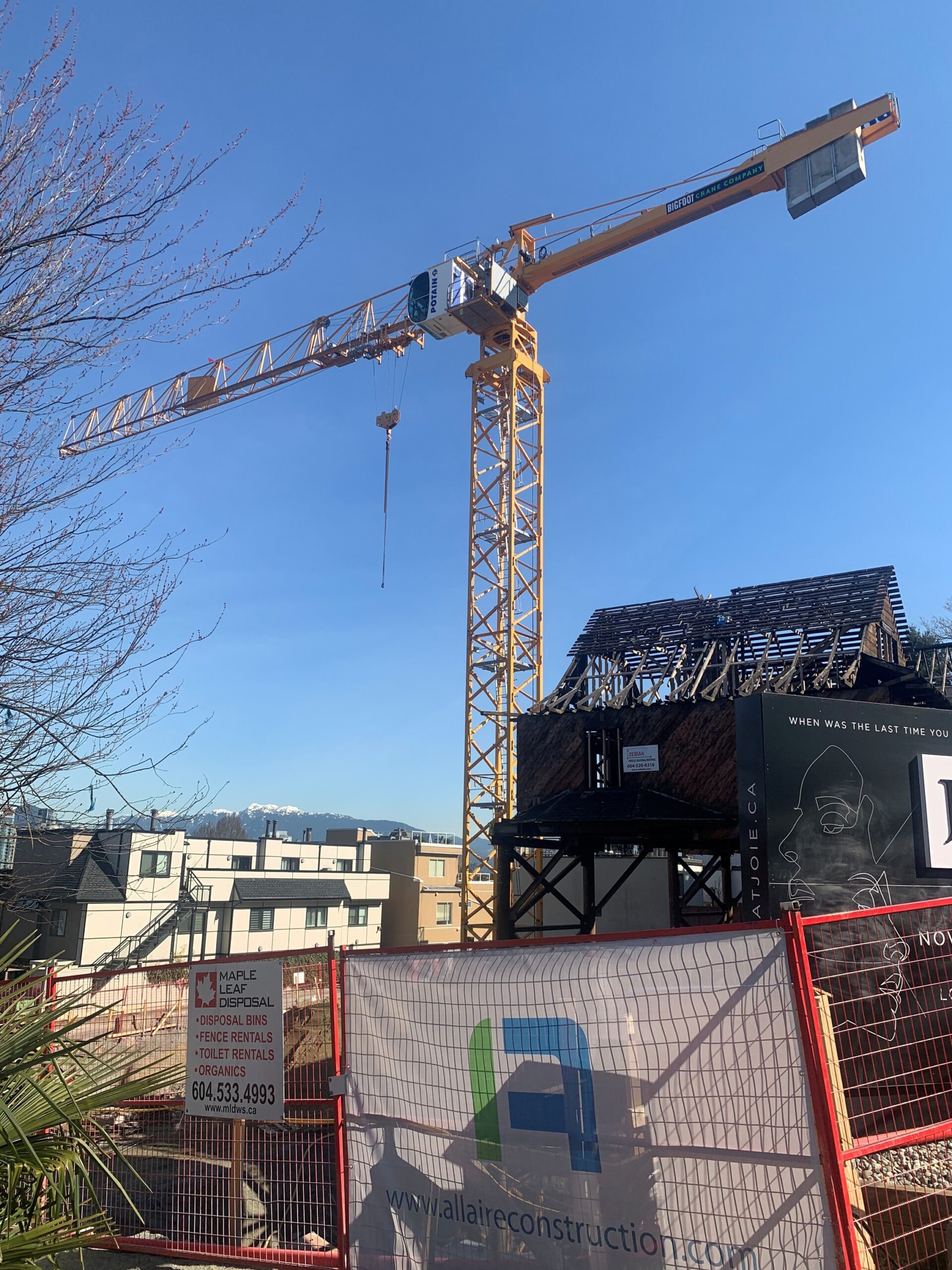
Rebuild economics have become a central concern in tower crane fleet management as project demands grow and equipment ages under heavier use. Rising equipment prices, tighter financing conditions, and ongoing supply chain delays have stretched how long cranes stay in service before replacement decisions are even considered. This shift has
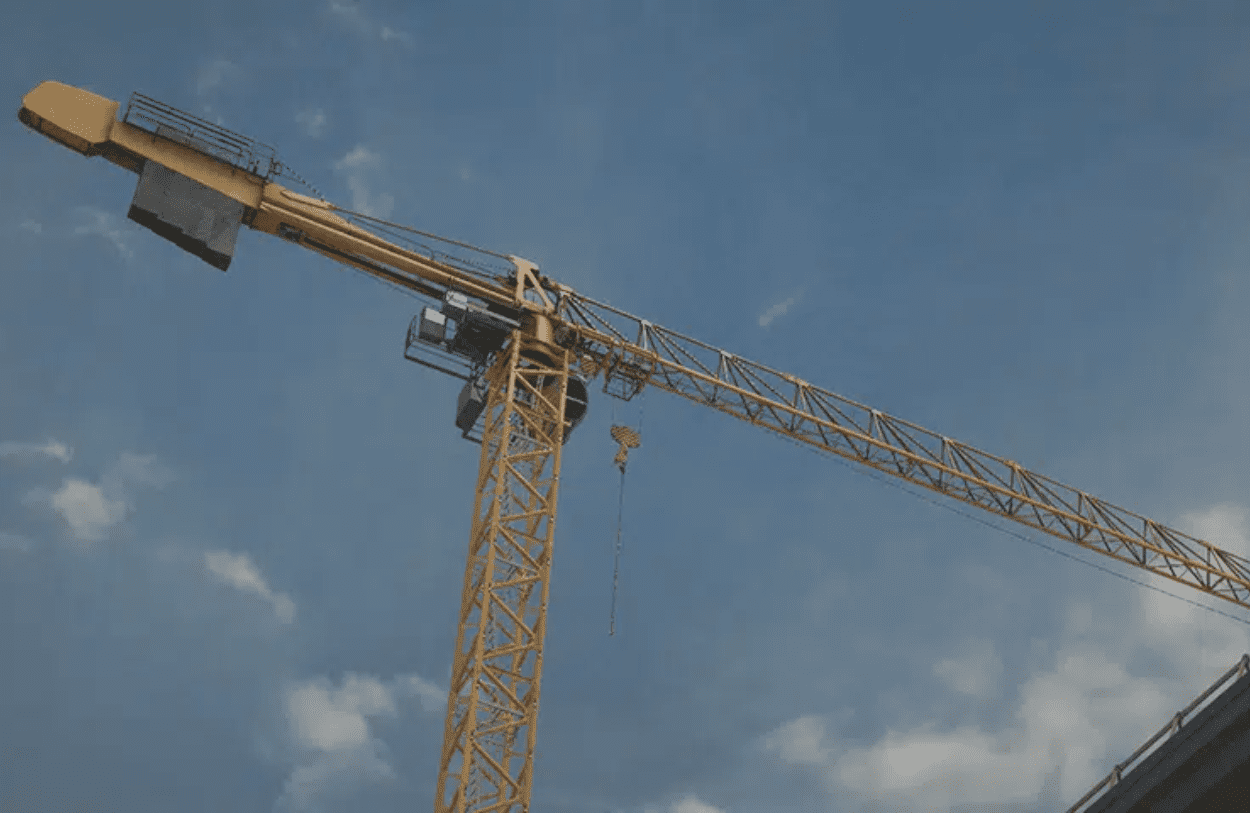
A 10-year tower crane refurbishment represents one of the most important lifecycle milestones in long-term crane asset management. Unlike routine maintenance programs that focus on servicing wear components or periodic inspections that evaluate operational condition, a refurbishment is a deeper intervention designed to restore reliability, improve operational stability, and extend