
Hoist ropes are among the most critical components in tower crane operations because they directly control lifting and lowering of loads. OHSR 14.91 outlines hoist rope requirements for ensuring these ropes remain in safe working condition throughout their service life. The regulation emphasizes inspection, maintenance, and timely replacement to prevent

Tower cranes often operate in crowded construction environments where multiple cranes, nearby structures, and energized power lines create serious operational risks. OHSR 14.84.1 addresses these challenges through zoning & anti-collision requirements designed to prevent unintended crane interference and unsafe movement. These systems help define operating boundaries, control crane interaction, and
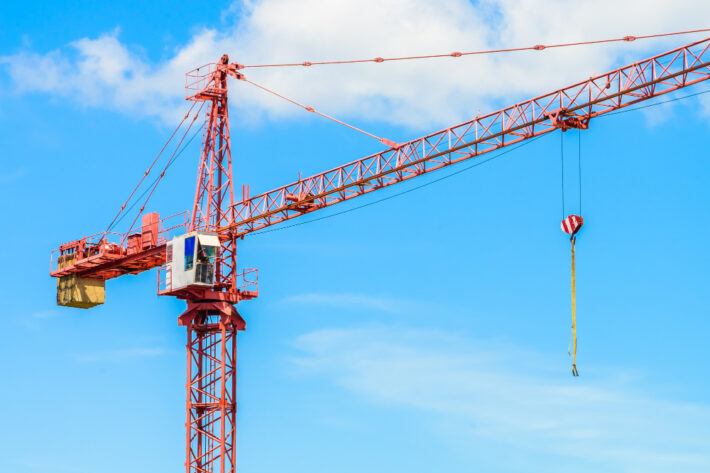
Construction sites that plan to erect a tower crane in British Columbia step into a regulatory process that carries real weight, and the Notice of Project for Tower Cranes, known as NOP TC, sits at the center of that responsibility. Provincial law requires this notice before a crane goes up
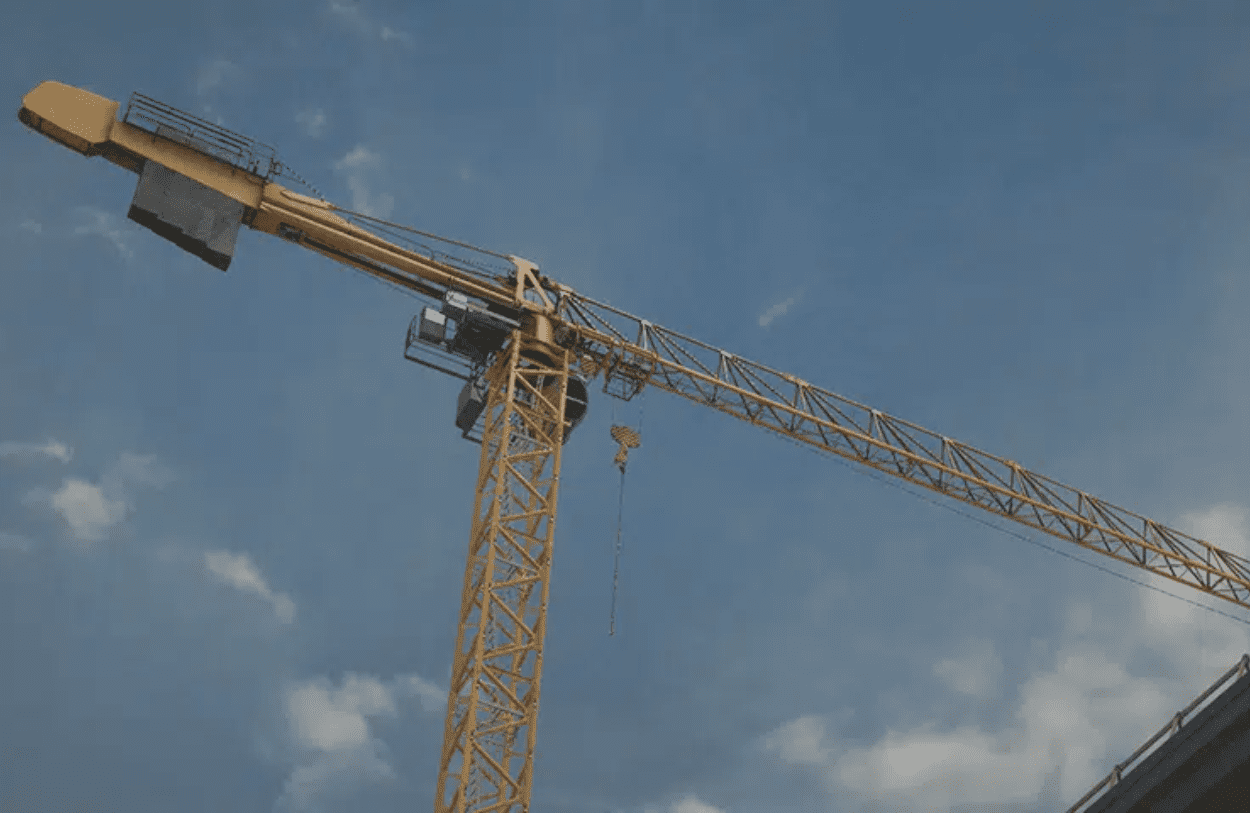
High angle rescue is an essential element of tower crane safety planning because emergencies involving workers at elevation require a fast, organized response. Before work begins, every site should have a documented rescue strategy that reflects its specific risks and operating conditions. In British Columbia, the Technical High Angle Rope

Tower cranes are sometimes left inactive for extended periods because of project delays, seasonal shutdowns, financing interruptions, labour shortages, or changing construction schedules. During these periods, the crane may remain exposed to environmental conditions and structural stress despite not operating daily. Prolonged Shutdown Requirements for Tower Cranes exist to reduce
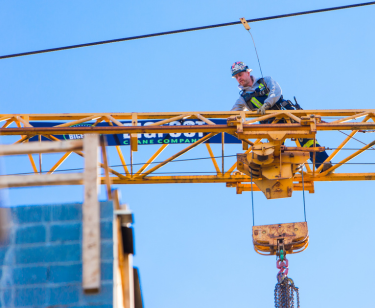
Deciding between tower crane rebuild vs replacement has become a far bigger financial and operational question than it was a decade ago. Equipment prices continue to rise, replacement lead times remain unpredictable, and tighter compliance expectations are forcing fleet owners to think further ahead. Many companies are moving away from